Sump pump failure during a storm
We pump the pit, extract standing water, dry the basement, and can replace the failed Wayne or Zoeller pump, float switch, and check valve the same day so the next storm does not repeat the problem.
When water is rising in your basement, every hour counts. Our Flood Water Removal in Illinois crews roll 24/7 with truck-mounted extractors, thermal imaging cameras, and commercial dehumidifiers to pull standing water, dry the structure, and stop mold before it starts. From flooded home cleanup Illinois homeowners call us for at 2 a.m. to storm-driven seepage after a spring downpour, we handle the whole job, start to finish.
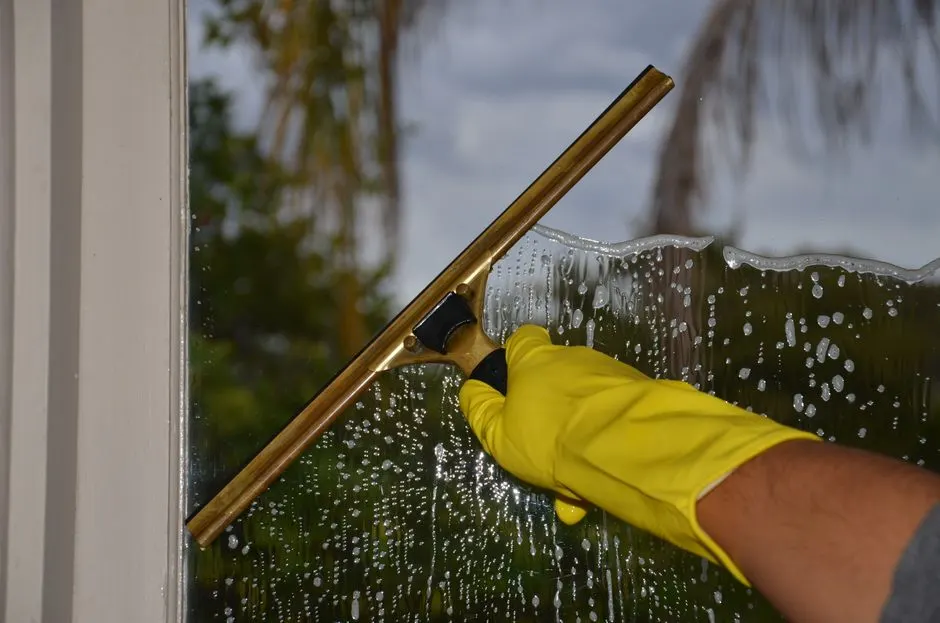
Flood Water Removal in Illinois is the process of extracting standing water from a structure, then drying the framing, drywall, flooring, and subfloor to ANSI/IICRC S500 standards so mold does not take hold within 24 to 48 hours. It is not a shop vac job. We use truck-mounted water extractors, portable extraction units, submersible sump pumps, and high-CFM air movers paired with refrigerant and desiccant dehumidifiers to pull moisture out of materials that look dry on the surface but read 20 percent or higher on a moisture meter.
Illinois homeowners call us for the same handful of scenarios every year: a sump pump float switch that fails during a spring storm, a burst pipe behind a kitchen wall, a sewage backup after heavy rain overwhelms the municipal line, or hydrostatic pressure seepage through a 1950s block foundation. Whatever the cause, the fix is the same: get the water out, dry the structure, document everything for insurance, and put a plan in place so it does not happen again next season.
Every job is scoped to your specific situation, but here is what is standard on a flood water removal call. If something extra is needed, like pipe repair or sump pump replacement, we quote it upfront before we touch it.
Calls answered by a live person, not a machine. Crews dispatched immediately, with a text confirmation and ETA. Most Illinois addresses are on-site within 60 to 90 minutes, including nights, weekends, and holidays.
Truck-mounted extractors, portable units for tight spaces, and submersible pumps for deep standing water. We pull water from carpet, pad, hardwood, tile, and concrete, then use weighted extraction to pull moisture out of the subfloor.
Air movers and dehumidifiers placed per the ANSI/IICRC S500 calculation for your square footage and materials. We monitor with moisture meters and thermal imaging cameras every 24 hours until the structure reads dry.
Antimicrobial spray applied to affected framing, baseboards, and subfloor to stop mold before it starts. Standard on every job, required on Category 2 and Category 3 water. Safe for pets and kids once dry.
Photo logs, moisture readings, thermal images, and a written drying report formatted for adjusters. We also communicate directly with your adjuster if needed, so you are not stuck playing middleman on a claim.
A walkthrough with you at the end, a copy of the complete drying report, and a list of any recommended repairs. No surprise charges, no equipment left behind, no loose ends.
You call, we ask three questions: where is the water, how deep is it, and is the source still running. If it is, we walk you through shutting off the water main or the sump pump breaker. A crew is dispatched immediately, and you get a text with the technician name and ETA, usually 60 to 90 minutes.
On arrival we run a thermal imaging camera and a moisture meter across the affected area, plus a bore scope inspection camera inside wall cavities. That tells us how far the water traveled, which is almost always farther than it looks. We classify the water (Category 1, 2, or 3) and photograph everything for your claim.
Truck-mounted water extractors pull hundreds of gallons an hour from carpet, pad, and hard flooring. For standing water in a crawl space or a deep basement, we drop a submersible sump pump first, then follow with portable extraction units in tight corners. Most residential jobs are extracted in two to four hours.
We set air movers and dehumidifiers based on the ANSI/IICRC S500 calculation for your square footage and material types. Every 24 hours we come back, take fresh moisture readings, and adjust equipment. Drying typically runs three to five days. We do not pull gear until the structure reads dry.
When the last reading is dry, we do a walkthrough with you, photograph the finished space, and hand over a complete drying report with daily logs. That report is what your adjuster needs to close the claim. We also flag any repair work, like replacing a sump pump check valve or a section of PEX piping, before we leave.
Purpose-built equipment, used by trained technicians — so the job is done accurately the first time.
Pulls hundreds of gallons per hour from carpet, pad, and hard flooring. The workhorse on every flood water extraction job, and the reason we can clear a typical basement in two to four hours.
Drops into deep standing water in basements and crawl spaces to move volume fast before we switch to extraction. Wayne and Zoeller pumps are our standard for reliability.
Finds water behind walls, under floors, and inside ceiling cavities that a visual inspection would miss. Every job starts with a thermal scan so we dry the whole affected area, not just the visible wet spot.
Reads moisture content in drywall, framing, and subfloor. We log readings every 24 hours and do not pull equipment until materials read below 16 percent.
Slides inside wall cavities to confirm whether framing is wet and whether mold has started. Essential for burst pipe and roof leak calls where the damage is hidden.
Refrigerant and desiccant units that pull moisture out of the air so wet materials can dry. Sized to the job per ANSI/IICRC S500 calculations, not guessed.
High-CFM fans that keep air moving across wet surfaces to speed evaporation. Placement matters, so we map the airflow pattern before we set them down.
A failed float switch on a 12-year-old sump pump let four inches of water spread across 900 square feet of finished basement. Carpet, pad, and the bottom two feet of drywall were saturated. The homeowner called at 11 p.m.
We extracted 380 gallons, removed the wet carpet and pad, cut out the affected drywall, and dried the framing to below 16 percent moisture content in four days. The homeowner's insurance covered the full claim based on our documentation.
A copper supply line burst behind the kitchen wall while the family was at work. Water soaked the hardwood, subfloor, and the wall cavity for six hours before anyone noticed. The ceiling below showed a fresh stain.
Thermal imaging showed the water had traveled eight feet past the visible damage. We extracted, dried the cavity and subfloor in five days, and the hardwood was saved. No mold, no flooring replacement.
A root-blocked clay drain line caused a sewage backup into two ground-floor apartment units. Contaminated water covered 600 square feet across both units, soaking carpet, drywall, and baseboards.
Our Category 3 crew removed all contaminated materials, applied antimicrobial spray, and dried the structure in six days. Tenants were back in their units within a week. Full documentation went to the property owner's carrier.
Most flood calls fall into a handful of categories. Here are the ones we see most often, what happens if you wait, and how we fix them.
Ask a pro →We pump the pit, extract standing water, dry the basement, and can replace the failed Wayne or Zoeller pump, float switch, and check valve the same day so the next storm does not repeat the problem.
Our IICRC AMRT-certified techs extract, remove contaminated materials, apply antimicrobial spray, and follow Illinois Department of Public Health remediation guidelines. We also check your backwater valve.
We use thermal imaging and a bore scope inspection camera to trace the water path, extract, dry the cavity, and coordinate the pipe repair with a state-licensed plumbing contractor.
We extract, dry the block with high-CFM air movers and dehumidifiers, and recommend a waterproofing membrane or interior drain tile to relieve the pressure at the source.
“Sump pump died during a storm and we had four inches across the whole basement. Called at 11 p.m., crew was here by 12:30. They pumped it out, set dehumidifiers, and came back every day for four days to check readings. Insurance paid the whole thing because their report was so thorough. Could not ask for better.”
Dan R.Homeowner, Batavia
✓ Verified“A pipe burst behind our kitchen wall while we were at work. By the time we got home, water had soaked into the hardwood and the subfloor. They used a thermal camera to find how far it spread, which was way more than we thought. Dried everything in five days. No mold, no warped floors.”
Maria S.Homeowner, Lisle
✓ Verified“We manage a small apartment building and had a sewage backup in two ground-floor units. Their crew handled the Category 3 cleanup, removed the contaminated drywall, sprayed everything, and had tenants back in a week. Professional from start to finish. We use them for all our Illinois properties now.”
Tom K.Property Manager, Crete
✓ VerifiedTypical 2026 pricing runs $450 to $1,800 for a single room and $1,800 to $3,800 for a full basement, depending on square footage, water category, and how long the water sat. Category 3 (sewage or storm water) costs more because it requires antimicrobial treatment and disposal. Most homeowners pay only their deductible once the claim is filed.
We do, 24/7, across the state. IL Water Remover Pros has been running flood water extraction services Illinois wide since 2014. Call (833) 640-1438 and we dispatch the nearest crew, usually on-site within 60 to 90 minutes. We serve everything from Batavia and Lisle to Crete and Monee.
Extraction itself takes two to four hours on a typical residential job. Structural drying runs three to five days, with daily moisture checks. Total project time from call to final report averages five to seven days. Larger jobs with crawl space water or Category 3 contamination can run seven to ten days.
FEMA assistance is only available after a federal disaster declaration, and it typically covers uninsured losses, not the full bill. Standard homeowners insurance covers burst pipe and appliance failures but usually excludes surface flooding unless you carry a separate NFIP policy. We document every job so whichever path you take, the paperwork is ready.
Our crews cover the entire state, with trucks staged across the Fox River Valley, the Chicago collar counties, and the southern suburbs. Wherever you are in Illinois, we can have a flood water extraction crew at your door, usually within 60 to 90 minutes. Here are a few of the communities we serve most often.
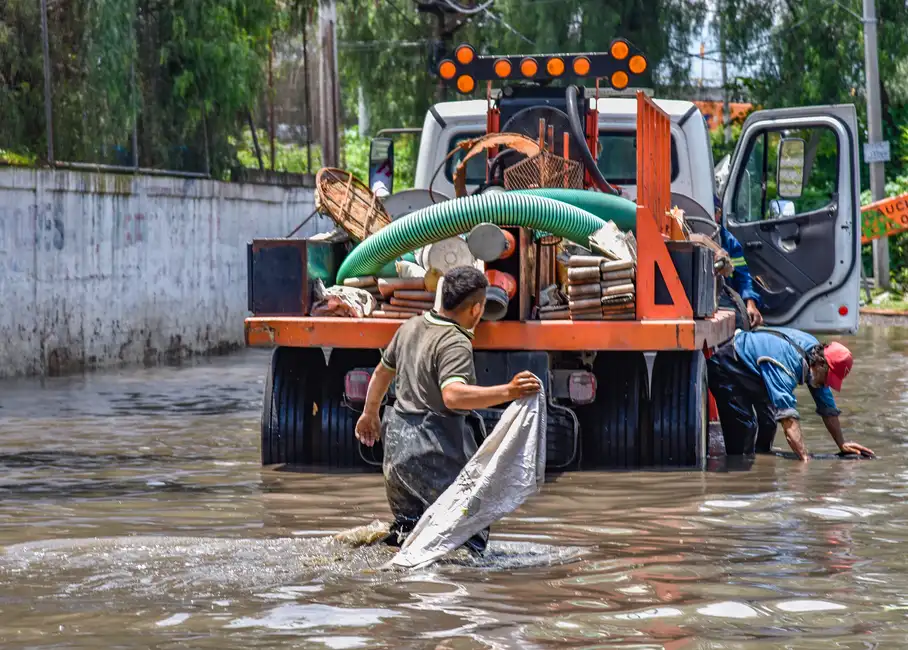 Basement Water RemovalBasement flooding is the number one call we get in Illinois. We extract standing water, dry block and poured foundations, and check your sump pit liner and backwater valve before we leave. Most basement jobs are dry in three to four days.Explore →
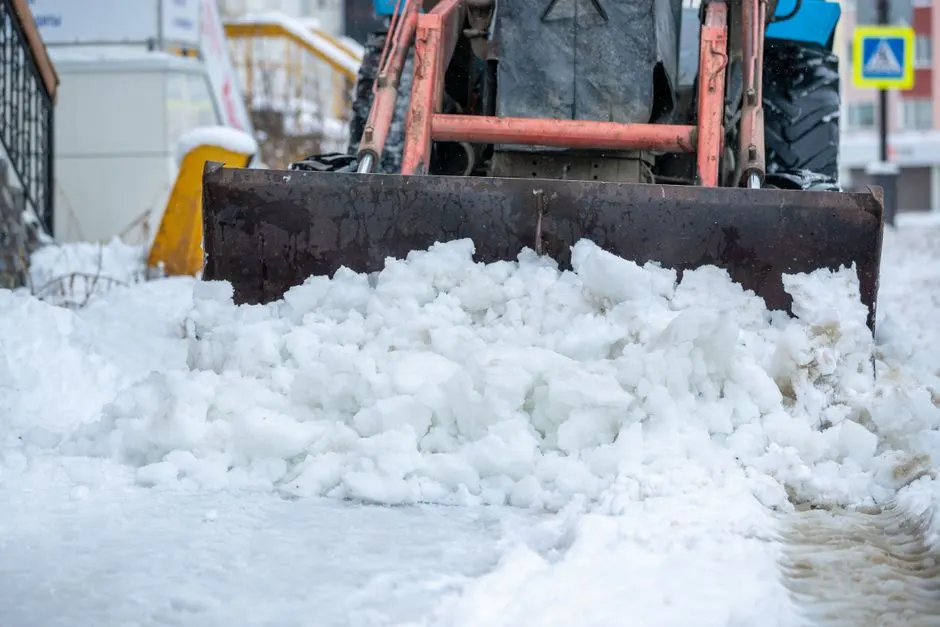 Storm Water RemovalSpring and summer storms push water through window wells, foundation cracks, and failed drain tile. We handle storm flood water cleanup Illinois wide, including Category 3 storm water that needs antimicrobial treatment before drying can begin.Explore →
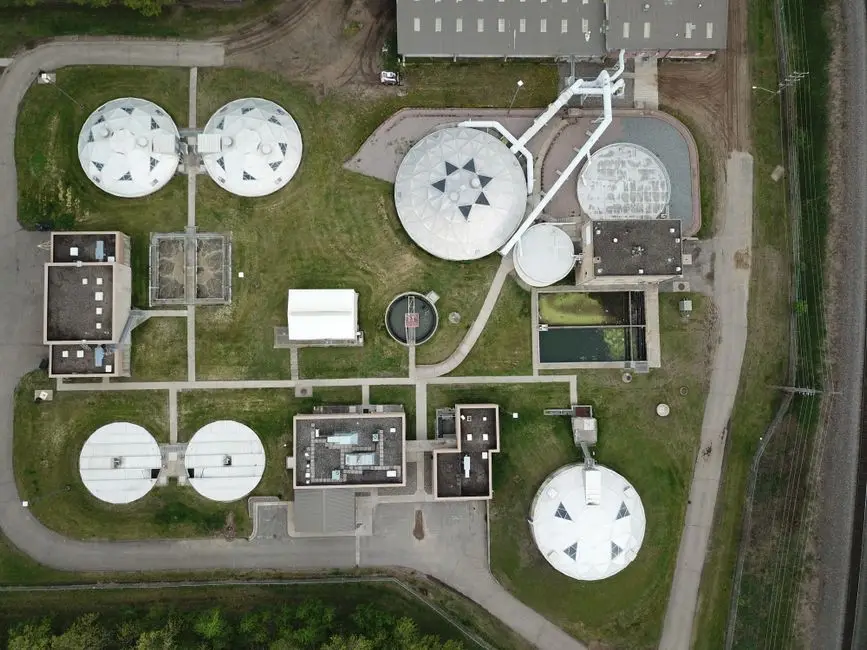 Sewage Water RemovalA sewage backup is Category 3 water and a health hazard. We extract, remove contaminated materials, apply antimicrobial spray, and follow Illinois Department of Public Health remediation guidelines. Do not run a Shop-Vac on this one.Explore →
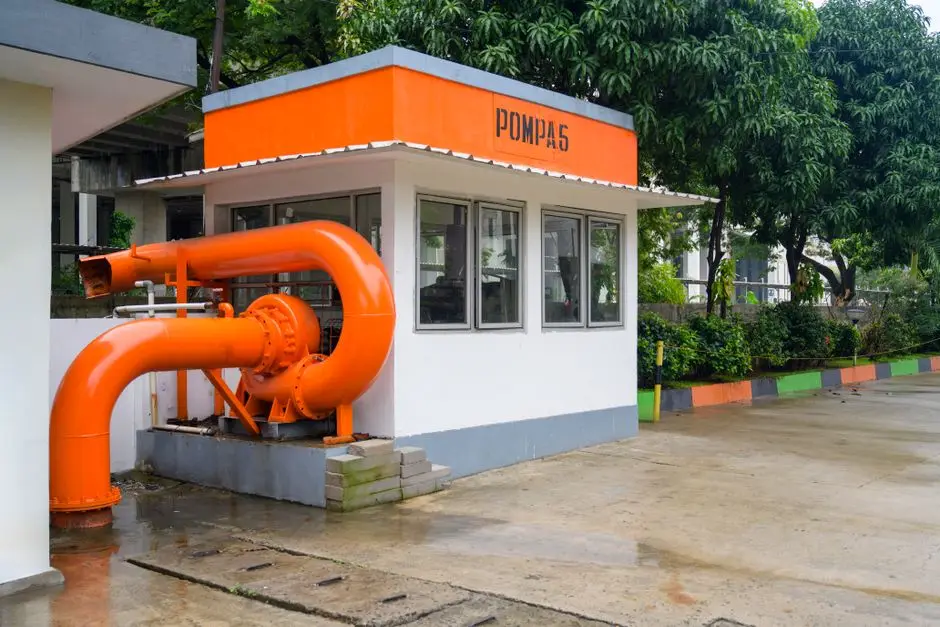 Sump Pump Failure Water RemovalA failed float switch or a dead Zoeller or Wayne pump can dump 50 gallons a minute into your basement. We extract, dry, and can replace the pump, check valve, and discharge line the same day so it does not happen again.Explore →
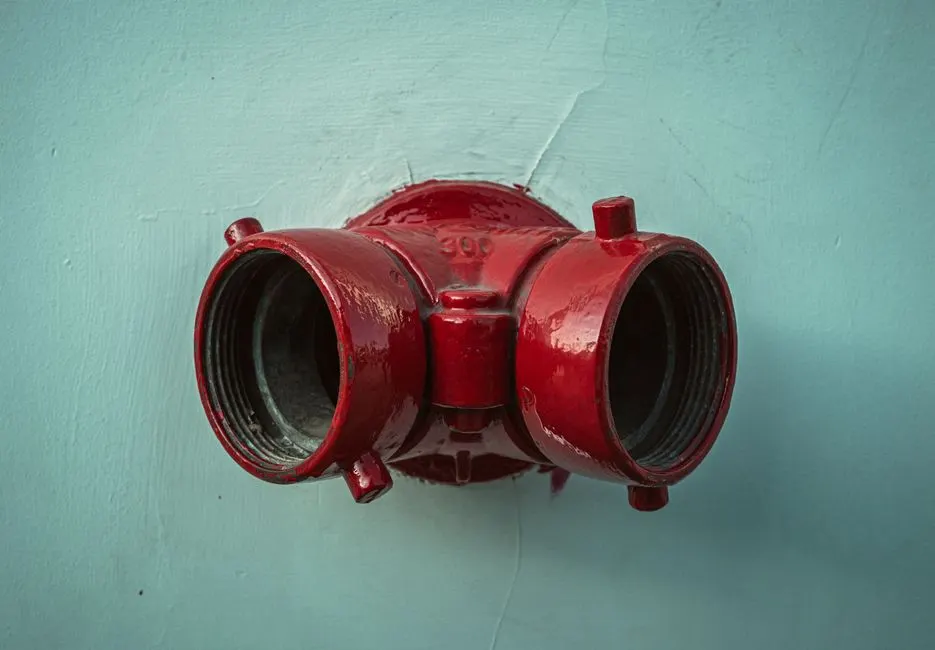 Burst Pipe Water RemovalA burst PEX or copper line behind a wall can soak framing for hours before you notice. We use thermal imaging to trace the water, extract, dry the cavity, and coordinate the pipe repair with a state-licensed plumbing contractor.Explore →
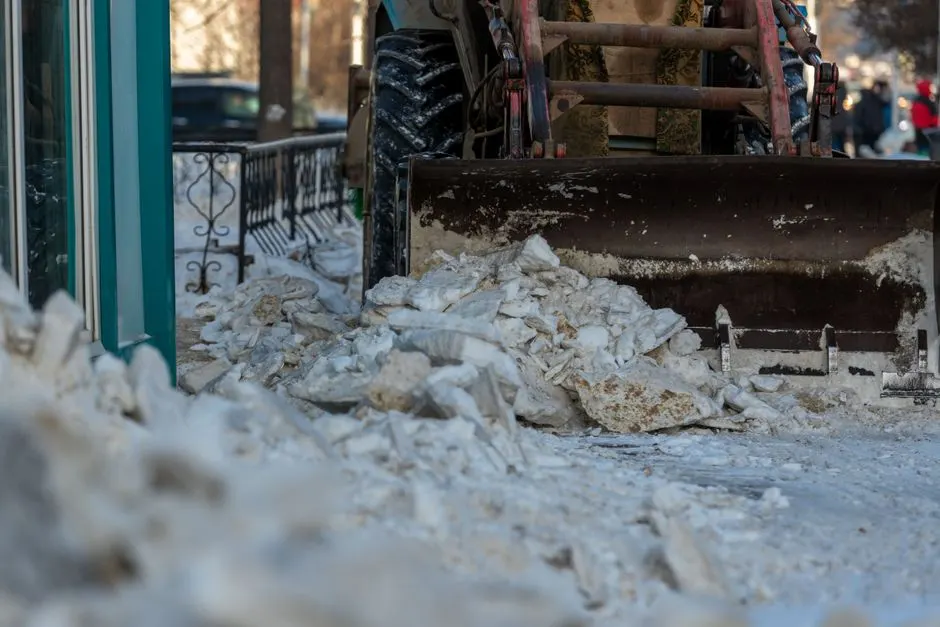 Frozen Pipe Water RemovalIllinois winters crack pipes in unheated crawl spaces and exterior walls. We thaw with a pipe thawing machine, extract the released water, and dry the structure. Insulating with heat tape and pipe insulation prevents the next one.Explore →
 Standing Water RemovalStanding water in a garage, sunroom, or slab-on-grade addition needs fast extraction before it wicks into drywall. We pump, extract, and dry, then check for slab leaks and hydrostatic pressure seepage that caused it.Explore →
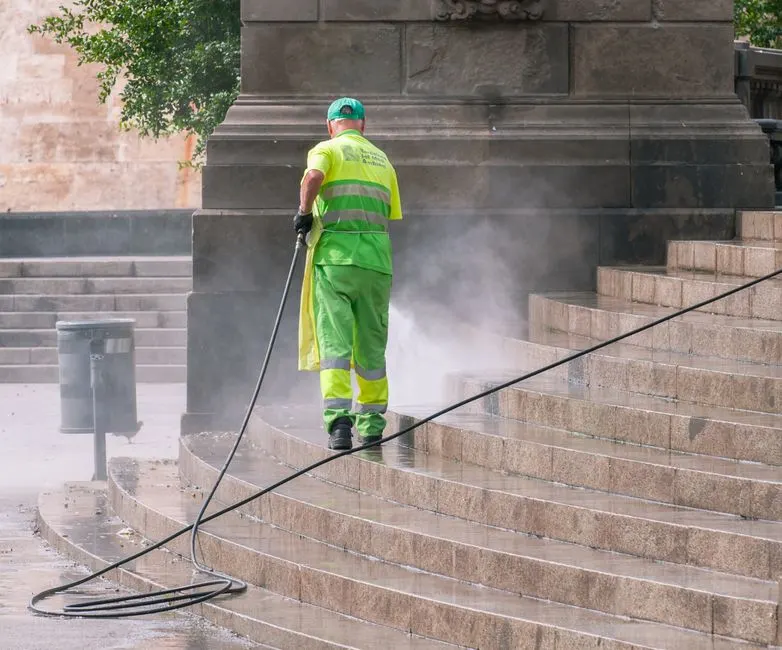 Crawl Space Water RemovalCrawl space moisture rots joists and feeds mold year-round. We pump standing water, install plastic sheeting vapor barriers, and run dehumidifiers until wood moisture reads safe. This is one of the most overlooked flood damage water removal Illinois jobs.Explore →
Water damage doubles in cost every 24 hours it sits. Call (833) 640-1438 and we will dispatch the nearest crew, day or night. Same-day service, upfront pricing, and a written report your insurance company will accept. Do not wait for the water to spread.
Call Now (833) 640-1438 →Call (833) 640-1438 and a live dispatcher picks up, 24 hours a day, every day of the year. Tell us what happened, where you are in Illinois, and we will give you an ETA and a few things to do right now while you wait. Most crews arrive within 60 minutes.