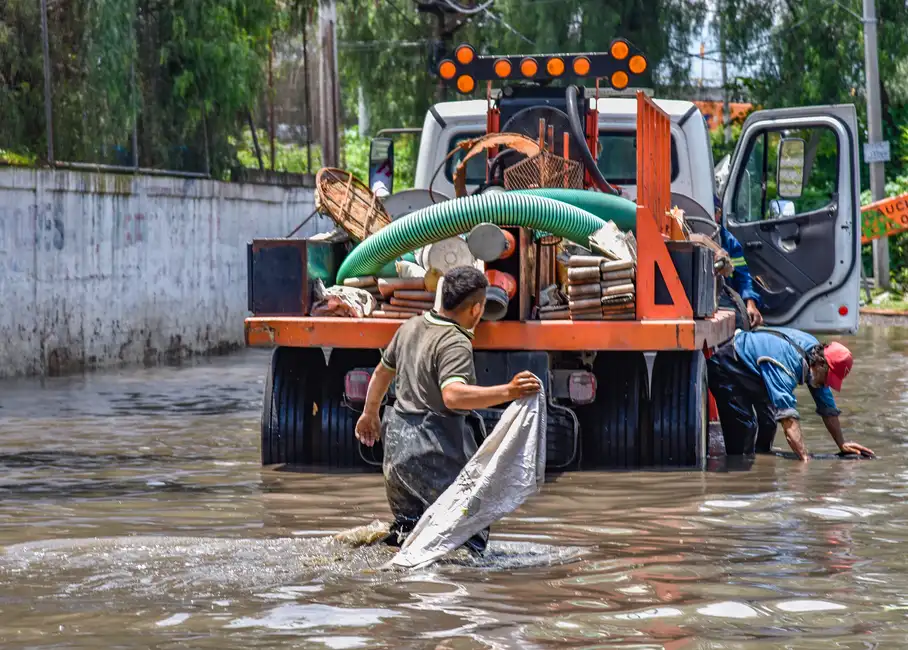
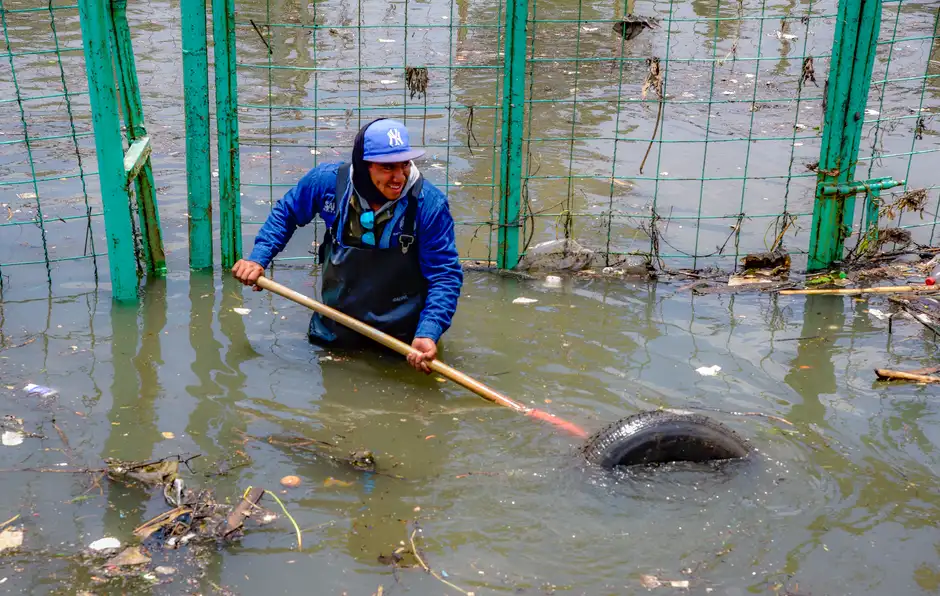
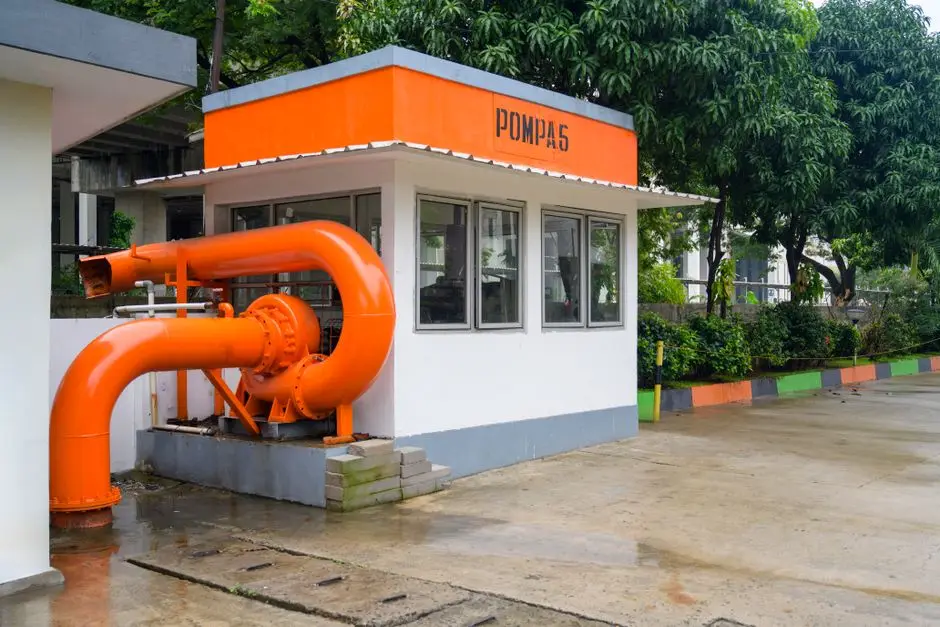
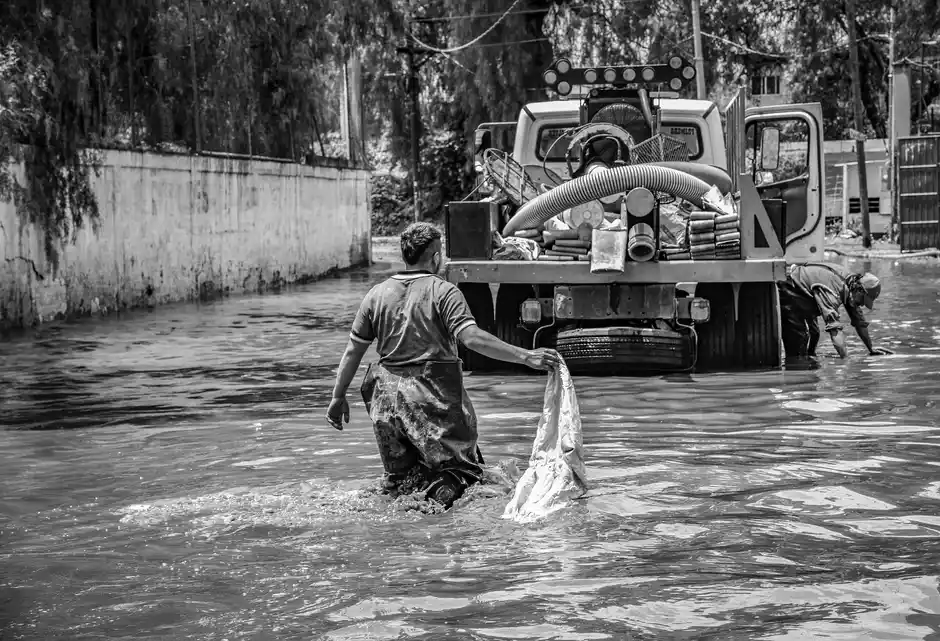
Your local Glendale Heights Water Removal team

Water Removal in Glendale Heights Done Right the First Time

When water is rising in your Glendale Heights basement, every minute counts. IL Water Remover Pros has handled basement water removal, sump pump failure water removal and storm water removal across Glendale Heights, Illinois since 2014. We pull standing water with truck-mounted extractors, set air movers and dehumidifiers, and meter the framing until it is dry. One call, one crew, one dry building.

↗
Fast online booking

Request service today

Tell us what is happening. Our local team will confirm your visit shortly.

No spam. No obligation. Just practical help.
Thanks — we'll call shortly to confirm your visit.
12Years serving Glendale Heights
24/7Emergency response
1,400+Jobs completed locally

Water Removal in Glendale Heights, Illinois

Water Removal in Glendale Heights is the work of extracting standing water from a home or business, drying the structure, and documenting that it is dry. We have run that process here since 2014, which means 12 years of pulling wet carpet out of split-levels off Bloomingdale Road, drying crawl spaces under 1960s ranches near Glenbard North, and hauling extractors into the townhome clusters along Army Trail Road. Glendale Heights sits in DuPage County with heavy clay soil, a high water table in spring, and a housing mix that ranges from mid-century ranches to newer townhome rows. That combination produces the calls we get most: sump pump failure water removal after a May downpour, burst pipe water removal in January, and sewage water removal when a backed-up lateral pushes into a finished basement. We keep extraction trucks staged for the western suburbs, so a call from Glendale Heights usually puts a crew at your door the same day.

Explore Glendale Heights services →

Glendale Heights is a compact village, and that works in your favor. Most addresses sit within a few minutes of Route 53, Army Trail Road or North Avenue, so we are not burning an hour in traffic to reach you. The village's older ranch and split-level housing stock has shallow crawl spaces and original cast iron or copper drains that fail at predictable ages. The newer townhome and apartment complexes off Bloomingdale Road and Schmale Road bring their own pattern: shared walls, upstairs unit leaks, and water that travels sideways before anyone notices. We built our Glendale Heights schedule around both.

IL Water Remover Pros
Services available in Glendale Heights

Water Removal Services Available in Glendale Heights

Glendale Heights generates a steady mix of water damage calls, and the type shifts with the calendar. Spring and summer bring storm water removal and sump pump failure water removal. Winter brings frozen pipe water removal and burst pipe water removal, often at 2 a.m. when a supply line lets go in an unheated crawl space. If you are searching for emergency water removal near me in Glendale Heights, here is what we run and how each service works in this village.

Basement Water RemovalBasement Water RemovalMost Glendale Heights basements are finished or partially finished, so water hits carpet, drywall and stored belongings fast. We extract with a truck-mounted unit, pull baseboard where needed, and dry the slab and framing with air movers and dehumidifiers. Split-levels near Glenbard North and ranches off Bloomingdale Road are our most common basement calls.See details →Experienced Water Removal professionals at workFlood Water RemovalWhen a storm overwhelms the village's storm sewers, water can enter at grade level through doors, window wells and garage slabs. We pump, extract and dry, then check the walls with a moisture meter and thermal imaging camera before we call it done. Flood calls in Glendale Heights cluster around the low blocks near Army Trail Road.See details →Storm Water Removal in IllinoisStorm Water RemovalSummer thunderstorms in DuPage County drop a lot of rain in a short window. When the ground is already saturated, storm water intrusion pushes through foundation walls and floor drains. We remove the water, set drying equipment, and check the sump pit and backwater valve so the next storm does not repeat the problem.See details →Sewage Water Removal by IL Water Remover ProsSewage Water RemovalA backed-up lateral sends category 3 water into your basement, and that is not a shop-vac job. We extract, remove contaminated porous materials, apply antimicrobial spray, and dry the structure. We follow Illinois Department of Public Health remediation guidelines on every sewage call in Glendale Heights, including the townhome rows off Schmale Road.See details →Sump Pump Failure Water Removal in IllinoisSump Pump Failure Water RemovalThis is our single most common Glendale Heights call. Float switches stick, check valves fail, and a pump that ran fine in April quits during a June storm. We extract the water, dry the basement, and can replace the pump, check valve or float switch on the spot so you are protected before the next rain.See details →Water Extraction in IllinoisBurst Pipe Water RemovalCopper and PEX supply lines in Glendale Heights homes fail at joints and in unheated runs. We shut the water down, extract what has pooled, and dry the ceiling, walls and floor it passed through. If the line needs repair, we coordinate with a licensed Illinois plumber before drying begins so we are not drying around an active leak.See details →Frozen Pipe Water RemovalFrozen Pipe Water RemovalJanuary cold snaps split pipes in crawl spaces, garages and exterior walls across Glendale Heights. We thaw safely with a pipe thawing machine, contain the water, and extract and dry the affected rooms. We also insulate and heat-tape the run that failed so you are not calling us twice for the same pipe.See details →Standing Water Removal you can count onStanding Water RemovalStanding water in a basement or garage is a countdown clock. We use a submersible sump pump for volume, then a truck-mounted extractor for the residual, and a wet/dry shop vacuum for tight corners. In Glendale Heights we see this most in garages and lower levels after multi-day rain events.See details →Trusted Water ExtractionCrawl Space Water RemovalOlder Glendale Heights ranches have shallow crawl spaces that hold moisture long after the visible water is gone. We extract, then dry with directed air and dehumidification, and check the joists and subfloor with a moisture meter. Left alone, a wet crawl space feeds mold growth and rots framing from the bottom up.See details →Dependable Water Removal across IllinoisRoof Leak Water RemovalA roof leak after a windstorm or ice dam sends water down through ceilings and wall cavities, where it spreads well beyond the visible stain. We trace it with a thermal imaging camera and bore scope inspection camera, extract and dry the wet assembly, and document the path for your insurance claim. Common in Glendale Heights after hail and heavy spring storms.See details →
Who we serve in Glendale Heights

Two very different jobs. One local crew.

For homes

Residential Water Removal in Glendale Heights

Most of our Glendale Heights work is residential, and most of it happens in finished basements and crawl spaces. The village's housing stock ranges from 1960s ranches with original drain tile to 1990s townhomes with shared walls, and each type fails in its own way. Families here want the same thing: the water gone, the structure dry, and the insurance claim handled without them having to chase paperwork. We handle all three. If you are dealing with a wet basement, a failed sump pump or a burst pipe, we can usually be there the same day.

Emergency basement water extraction

When your Glendale Heights basement takes on water, we pull it with a truck-mounted extractor and a submersible sump pump, then set air movers and dehumidifiers to dry the slab, framing and any finished materials. Most basements are dry in three to five days.

Sump pump and check valve replacement

We test your pump under load, inspect the float switch and check valve, and replace failed components on the same visit with a Wayne, Zoeller or Liberty Pumps unit. We also check the sump pit liner and confirm the discharge line is clear.

Crawl space drying and moisture control

Older Glendale Heights ranches have shallow crawl spaces that hold moisture long after the visible water is gone. We extract, dry with directed air and dehumidification, and check joists and subfloor with a moisture meter so mold does not get a foothold.

Frozen and burst pipe water removal

January cold snaps split pipes in exterior walls, garages and crawl spaces across Glendale Heights. We thaw safely with a pipe thawing machine, extract the water, dry the affected rooms, and insulate and heat-tape the failed run before we leave.

  • Written estimate before we start, and direct insurance billing when the loss is covered.
  • Same-day service for most Glendale Heights calls, with 24/7 emergency dispatch for burst pipes and sewage backups.
  • We document every job with moisture readings and photos, so you have proof the structure is dry.
Get a home estimate →
For businesses

Commercial Water Removal in Glendale Heights

Commercial water damage in Glendale Heights is a different job than residential. A wet retail floor or a flooded mechanical room can shut down a business for days, and the building owner, tenant and insurance carrier all need documentation. We work with property managers, business owners and facility teams along the Bloomingdale Road and Army Trail Road corridors to get water out fast and get the space back in service. If you need commercial water removal in Glendale Heights after hours, we dispatch 24/7 and can scale equipment to the size of the loss.

  • Retail storefronts
  • Restaurants and food service
  • Property management and multifamily
  • Light industrial and warehouse
  • Medical and professional offices
After-hours and overnight response

We schedule commercial water removal in Glendale Heights around your business hours. Most retail and restaurant losses get extracted overnight so you can open the next morning, and we coordinate access with your property manager or security contact.

Large-loss equipment capacity

For a flooded warehouse or a multi-unit building, we bring truck-mounted extractors, additional air movers and commercial-grade Dri-Eaz and Phoenix Restoration Equipment dehumidifiers. We size the equipment to the cubic footage, not to what fits on one truck.

Documentation for property and liability claims

Commercial losses often involve multiple parties. We photograph the loss, log moisture readings at every visit, and produce a scope of work your carrier and your tenant's carrier can both work from. That shortens the claim and gets the space back in service faster.

Coordination with your plumber and insurer

When a commercial loss starts with a failed pipe or sprinkler line, we coordinate with a licensed Illinois plumber to make the repair before drying begins. We also work directly with your adjuster so you are not the go-between on a job that needs to move fast.

Discuss a commercial contract →
Service by service in Glendale Heights

Every service we run in Glendale Heights.

Each service below is a full breakdown of how the work is scoped, priced and carried out in this city — not a generic description.

Basement Water Removal 01
Basement Water Removal in Glendale Heights

Basement Water Removal in Glendale Heights

When basement water removal in Glendale Heights becomes urgent, our team responds fast to protect your home. From the split-levels near Glen Ellyn Road to the older ranches along Bloomingdale Road, we understand how clay soil and sump failures push water into below-grade spaces. We extract standing water, dry structural materials, and restore safe conditions before mold takes hold.

Emergency Basement Water Extraction

Our emergency basement water extraction in Glendale Heights uses truck-mounted pumps to remove inches of water quickly. We prioritize finished basements in the Reskins and Glen Hill subdivisions, where carpet and drywall absorb moisture fast. Technicians monitor extraction rates and adjust equipment to prevent structural stress on older foundation walls.

Drying Finished Basement Spaces

After extraction, we set up commercial dehumidifiers and air movers to dry finished basement spaces. In Glendale Heights homes built during the 1960s and 1970s, we pay close attention to paneling and drop ceilings that trap moisture. Daily moisture readings confirm progress and help us prevent secondary damage.

Preventing Future Basement Flooding

We help Glendale Heights homeowners prevent future basement flooding by identifying sump pump issues, grading problems, and window well gaps. Many properties near the DuPage River tributaries face recurring seepage. Our recommendations include battery backup systems, sealants, and drainage improvements tailored to local soil conditions.

  • Truck-mounted extraction for standing water up to several inches deep
  • Moisture mapping of concrete block and poured foundation walls
  • Commercial-grade dehumidification for finished basement living areas
  • Written prevention plan addressing sump, grading, and window wells
Book Basement Water Removal →
Flood Water Removal 02
Flood Water Removal in Glendale Heights

Flood Water Removal in Glendale Heights

Flood water removal in Glendale Heights requires rapid response when storms overwhelm local drainage. Neighborhoods like Sunrise and Westlake often see street flooding that seeps into garages and lower levels. Our crews arrive with pumps, extractors, and disinfectants to remove contaminated water, sanitize surfaces, and dry the structure before health hazards develop.

Rapid Flood Water Extraction

Our rapid flood water extraction in Glendale Heights clears contaminated water from living spaces and garages. We use high-capacity pumps and weighted extractors to remove water from carpet, tile, and concrete. In areas near Army Trail Road, where flash flooding is common, we stage equipment to begin work immediately after water recedes.

Sanitizing Flood-Affected Surfaces

Floodwater carries silt, chemicals, and bacteria, so we sanitize all affected surfaces after extraction. In Glendale Heights homes with older plumbing, we apply EPA-registered disinfectants to floors, walls, and framing. This step is critical in neighborhoods like Glen Hill, where basements often contain stored belongings that absorb contaminants.

Drying and Dehumidifying Structures

Once water is removed, we dry and dehumidify structural materials to prevent mold growth. Our team places air movers and desiccant dehumidifiers in flood-affected rooms, monitoring humidity daily. For Glendale Heights split-levels, we pay special attention to wall cavities and subflooring that trap moisture after a flood event.

  • High-capacity pumping for flooded basements and garages
  • EPA-registered disinfection of contaminated floors and walls
  • Daily moisture monitoring during structural drying process
  • Debris removal and disposal of flood-damaged materials
Book Flood Water Removal →
Storm Water Removal 03
Storm Water Removal in Glendale Heights

Storm Water Removal in Glendale Heights

Storm water removal in Glendale Heights addresses the heavy rain and flash flooding that hit DuPage County each spring and summer. When sewers back up or yards flood, water can enter through foundation cracks and window wells. We extract storm water, dry affected areas, and help you recover quickly from severe weather events.

Emergency Storm Water Extraction

Our emergency storm water extraction in Glendale Heights responds to flooded basements, garages, and crawl spaces after severe storms. We use portable and truck-mounted pumps to remove water fast. In low-lying areas near the West Branch DuPage River, we prioritize homes with repeated storm water intrusion.

Clearing Storm Debris and Silt

Storm water often carries leaves, silt, and debris into your home. We clear storm debris and silt from floors, drains, and sump pits before extraction. In Glendale Heights neighborhoods like Reskins, where mature trees drop leaves into window wells, this step prevents clogs and ensures thorough water removal.

Drying After Storm Water Intrusion

After extraction, we dry structural materials using commercial air movers and dehumidifiers. Storm water intrusion in Glendale Heights often affects drywall, insulation, and wood framing. We monitor moisture levels daily and adjust drying equipment to prevent mold and structural deterioration.

  • Emergency response for storm-flooded basements and crawl spaces
  • Debris and silt removal from floors, drains, and sump pits
  • Commercial drying equipment for walls, floors, and framing
  • Moisture monitoring to confirm complete structural drying
Book Storm Water Removal →
Sewage Water Removal 04
Sewage Water Removal in Glendale Heights

Sewage Water Removal in Glendale Heights

Sewage water removal in Glendale Heights is a hazardous job that requires specialized equipment and strict safety protocols. When sewer backups occur in older homes near Bloomingdale Road or in the Glen Hill subdivision, contaminated water can spread quickly. Our team removes sewage, disinfects the area, and restores safe conditions for your family.

Safe Sewage Extraction and Disposal

Our safe sewage extraction and disposal process begins with containing the affected area to prevent cross-contamination. We use truck-mounted pumps and specialized hoses to remove sewage water from basements and crawl spaces. In Glendale Heights, we follow local disposal regulations to ensure hazardous waste is handled properly.

Disinfecting Sewage-Contaminated Areas

After extraction, we disinfect all sewage-contaminated surfaces using hospital-grade antimicrobials. This step is critical in Glendale Heights homes with porous materials like concrete and wood, which can harbor bacteria. We also fog hard-to-reach areas to eliminate odors and pathogens.

Restoring Safe Living Conditions

We restore safe living conditions by drying the structure, removing damaged materials, and verifying sanitation. In Glendale Heights, sewage backups often affect finished basements with carpet and drywall. We remove unsalvageable items, dry the remaining structure, and provide documentation for insurance claims.

  • Containment and safe extraction of sewage-contaminated water
  • Hospital-grade disinfection of floors, walls, and framing
  • Removal and disposal of unsalvageable porous materials
  • Post-remediation verification and insurance documentation
Book Sewage Water Removal →
Sump Pump Failure Water Removal 05
Sump Pump Failure Water Removal in Glendale Heights

Sump Pump Failure Water Removal in Glendale Heights

Sump pump failure water removal in Glendale Heights is essential when heavy rains overwhelm aging pumps. Many homes in the Sunrise and Westlake neighborhoods rely on sump systems to keep basements dry. When a pump fails, water can rise quickly. We extract the water, dry the space, and help you prevent future failures.

Emergency Extraction After Pump Failure

Our emergency extraction after pump failure removes standing water from basements and crawl spaces. We use portable pumps and wet vacuums to extract water from carpet, concrete, and tile. In Glendale Heights, we often find failed pumps in homes older than 30 years, where original sump pits may be undersized.

Drying and Dehumidifying Basements

After extraction, we dry and dehumidify basements to prevent mold and structural damage. Sump pump failure in Glendale Heights often leaves high humidity that can warp wood and peel paint. We place air movers and dehumidifiers strategically to dry walls, floors, and stored belongings.

Preventing Future Sump Failures

We help prevent future sump failures by inspecting your pump, pit, and discharge line. In Glendale Heights, power outages during storms are a common cause of failure. We recommend battery backup systems, high-level alarms, and regular maintenance to keep your basement dry.

  • Emergency pumping of failed sump pits and flooded basements
  • Extraction from carpet, concrete, and personal belongings
  • Commercial air movers and dehumidifiers for rapid drying
  • Sump pump inspection and battery backup recommendations
Book Sump Pump Failure Water Removal →
Burst Pipe Water Removal 06
Burst Pipe Water Removal in Glendale Heights

Burst Pipe Water Removal in Glendale Heights

Burst pipe water removal in Glendale Heights requires fast action to minimize damage from sudden plumbing failures. Older homes near Glen Ellyn Road and the Reskins subdivision often have galvanized pipes prone to bursting. When a pipe fails, water can soak drywall, insulation, and flooring. We extract water, dry the structure, and help you recover.

Emergency Water Extraction for Burst Pipes

Our emergency water extraction for burst pipes removes water from walls, ceilings, and floors. We use specialized equipment to extract water from carpet, hardwood, and tile. In Glendale Heights, we often find burst pipes in unheated crawl spaces and exterior walls during cold snaps.

Drying Walls and Ceilings

After extraction, we dry walls and ceilings using injectidry systems and air movers. Burst pipe water in Glendale Heights can travel through wall cavities, affecting multiple rooms. We use moisture meters and thermal imaging to locate hidden moisture and ensure thorough drying.

Repairing and Restoring Damaged Areas

We repair and restore damaged areas after the structure is dry. This may include drywall replacement, painting, and flooring repairs. In Glendale Heights, we work with local contractors to restore your home quickly and to pre-loss condition, handling insurance documentation along the way.

  • Emergency extraction from walls, ceilings, and floors
  • Thermal imaging to locate hidden moisture in wall cavities
  • Injectidry drying for hard-to-reach structural areas
  • Drywall, paint, and flooring restoration after drying
Book Burst Pipe Water Removal →
Frozen Pipe Water Removal 07
Frozen Pipe Water Removal in Glendale Heights

Frozen Pipe Water Removal in Glendale Heights

Frozen pipe water removal in Glendale Heights is critical during the harsh Midwest winters. Homes in the Glen Hill and Sunrise neighborhoods often have pipes in exterior walls or unheated attics that freeze and burst. When thawing occurs, water can pour into living spaces. We extract the water, dry the area, and prevent further damage.

Thawing and Extracting Frozen Pipe Water

Our thawing and extraction process begins by safely thawing frozen pipes to stop water flow. We then extract standing water from floors, walls, and ceilings. In Glendale Heights, we use infrared heaters and moisture meters to identify frozen sections and water migration paths.

Drying After Frozen Pipe Burst

After a frozen pipe bursts, we dry the affected areas using commercial dehumidifiers and air movers. Frozen pipe water in Glendale Heights often soaks insulation and drywall, requiring removal and replacement. We monitor moisture daily to ensure the structure is dry before restoration.

Preventing Future Frozen Pipes

We help prevent future frozen pipes by insulating exposed pipes, sealing drafts, and recommending thermostat settings. In Glendale Heights, we advise homeowners to keep cabinet doors open during cold snaps and to install pipe heating cables in vulnerable areas like crawl spaces and garages.

  • Safe thawing of frozen pipes to stop water flow
  • Extraction from floors, walls, and ceilings after burst
  • Insulation removal and replacement for soaked materials
  • Pipe insulation and draft sealing to prevent refreezing
Book Frozen Pipe Water Removal →
Standing Water Removal 08
Standing Water Removal in Glendale Heights

Standing Water Removal in Glendale Heights

Standing water removal in Glendale Heights is essential when water pools in basements, crawl spaces, or yards after storms or plumbing leaks. In low-lying areas near the West Branch DuPage River, standing water can linger for days, creating mold and mosquito problems. We remove the water, dry the area, and restore safe conditions.

Pumping and Extracting Standing Water

Our pumping and extraction process removes standing water from basements, garages, and crawl spaces. We use high-capacity pumps and wet vacuums to clear water quickly. In Glendale Heights, we often find standing water in homes with poor drainage or failed sump pumps.

Drying Saturated Materials

After extraction, we dry saturated materials like drywall, wood, and concrete. Standing water in Glendale Heights can wick up walls and soak insulation, leading to hidden mold. We use air movers, dehumidifiers, and moisture meters to dry the structure thoroughly.

Preventing Future Standing Water

We help prevent future standing water by improving drainage, grading, and sump systems. In Glendale Heights, we recommend French drains, downspout extensions, and window well covers to divert water away from your foundation. Regular maintenance can prevent costly water damage.

  • High-capacity pumping for basements, garages, and crawl spaces
  • Extraction from carpet, concrete, and hardwood floors
  • Commercial drying equipment for walls and structural materials
  • Drainage improvements and sump system recommendations
Book Standing Water Removal →
Crawl Space Water Removal 09
Crawl Space Water Removal in Glendale Heights

Crawl Space Water Removal in Glendale Heights

Crawl space water removal in Glendale Heights is vital for homes with raised foundations, especially in older neighborhoods like Reskins and Glen Hill. Water can enter through vents, cracks, or plumbing leaks, creating a damp environment that damages insulation and fosters mold. We remove the water, dry the space, and restore safe conditions.

Extracting Water from Crawl Spaces

Our extraction process removes water from crawl spaces using portable pumps and wet vacuums. We navigate tight spaces to reach standing water and saturated soil. In Glendale Heights, crawl space flooding often results from poor drainage or broken pipes, which we identify and address.

Drying and Dehumidifying Crawl Spaces

After extraction, we dry and dehumidify crawl spaces using specialized equipment. We place dehumidifiers and air movers to circulate air and reduce moisture. In Glendale Heights, we also install vapor barriers to prevent future moisture problems and improve indoor air quality.

Encapsulating and Sealing Crawl Spaces

We encapsulate and seal crawl spaces to prevent future water intrusion. This involves installing heavy-duty liners, sealing vents, and insulating pipes. In Glendale Heights, encapsulation helps control humidity, reduce energy costs, and protect your home from mold and wood rot.

  • Portable pump extraction from tight crawl space areas
  • Commercial dehumidifiers and air movers for drying
  • Vapor barrier installation to prevent future moisture
  • Crawl space encapsulation and vent sealing services
Book Crawl Space Water Removal →
Roof Leak Water Removal 10
Roof Leak Water Removal in Glendale Heights

Roof Leak Water Removal in Glendale Heights

Roof leak water removal in Glendale Heights addresses water damage from missing shingles, ice dams, and flashing failures. Homes in the Westlake and Sunrise neighborhoods often experience leaks after severe storms or heavy snow. Water can travel through attics and ceilings, soaking insulation and drywall. We extract the water, dry the structure, and prevent further damage.

Extracting Water from Ceilings and Attics

Our extraction process removes water from ceilings, attics, and walls affected by roof leaks. We use specialized equipment to access hard-to-reach areas. In Glendale Heights, roof leaks often originate from damaged flashing or worn shingles, which we document for repair.

Drying Attics and Insulation

After extraction, we dry attics and insulation using commercial air movers and dehumidifiers. Roof leak water in Glendale Heights can saturate insulation, reducing its effectiveness and promoting mold. We remove wet insulation, dry the structure, and replace insulation as needed.

Preventing Future Roof Leaks

We help prevent future roof leaks by identifying vulnerable areas and recommending repairs. In Glendale Heights, we advise homeowners to maintain gutters, replace damaged shingles, and install ice guards to prevent ice dams. Regular roof inspections can catch problems early.

  • Extraction from ceilings, attics, and wall cavities
  • Removal and replacement of saturated insulation
  • Commercial drying equipment for attic spaces
  • Roof inspection and maintenance recommendations
Book Roof Leak Water Removal →
More than a service list

How Water Removal Is Executed in Glendale Heights

Glendale Heights is a village of roughly four square miles, which means we can usually have a crew on site within 60 to 90 minutes of your call. Most homes here are on slab or shallow crawl, so we start by locating the w

Heavy clay soil and a high spring water table

Clay holds water instead of draining it, so hydrostatic pressure seepage through foundation walls is common in Glendale Heights from March through June. Water arrives slowly and quietly, which means it is often under carpet and against framing for days before anyone notices.

How we help: We check foundation walls and floor joints with a moisture meter and infrared thermometer, not just the visible wet area. If we find seepage, we dry the wall cavity and recommend a waterproofing membrane or interior drain so the next wet spring does not put you back in the same spot.

Aging sump pumps and check valves in older homes

Many Glendale Heights homes still run the original sump pump and a plastic check valve that has been cycling for a decade. When the float switch sticks or the check valve fails, the pit refills as fast as it drains and the basement floods during the storm, not after it.

How we help: We test the pump under load, inspect the float switch and check valve, and replace failed components with a Wayne, Zoeller or Liberty Pumps unit on the same visit. We also check the sump pit liner for cracks and confirm the discharge line is not frozen or blocked.

Townhome and apartment shared-wall water travel

In the denser complexes off Bloomingdale Road and Schmale Road, a supply line failure in one unit sends water through shared walls and into neighboring units. By the time the second unit notices, the first unit's carpet has already been wet for hours.

How we help: We coordinate with property management, dry both units simultaneously, and document the water path for each insurance claim. We use a bore scope inspection camera to check inside shared wall cavities without tearing them open unnecessarily.

Reviews from Glendale Heights customers

What Glendale Heights Customers Say

4.9★★★★★verified reviews
★★★★★
“Our sump pump quit during a storm in June and we had about three inches of water in the finished basement by morning. They had a truck here in under an hour and a half. Pulled the water, set fans and a dehumidifier, and replaced the pump and check valve the same day. Four days later everything was dry and the meter readings proved it.”
DR

Dan R.Pheasant Ridge

Verified
★★★★★
“We had a sewage backup in our townhome off Schmale Road and it was a mess. The crew was careful, explained what they were removing and why, and handled the whole thing with our association's insurance. No smell left behind and they came back to check for mold a month later. I would call them again without hesitation.”
MT

Maria T.Schmale Road

Verified
★★★★★
“A pipe froze and split in our exterior wall in January and water came through the kitchen ceiling. They thawed the line, opened the ceiling, dried everything out, and insulated the pipe so it would not happen again. Took three days total. Fair price and they did not try to sell us anything we did not need.”
KS

Kevin S.Glen Ellyn Manor

Verified
Recent work in Glendale Heights

Recent Water Removal Jobs in Glendale Heights

These are three jobs we ran in Glendale Heights in the past year. They show the range of what we handle here, from a failed sump pump to a sewage backup to a winter pipe burst.

01 Pheasant Ridge

The problem

A finished basement in Pheasant Ridge took on about four inches of water overnight when the sump pump float switch stuck during a June storm.

What we did

We arrived within 90 minutes, pulled the water with a submersible sump pump and truck-mounted extractor, removed the soaked carpet pad, and set eight air movers and two dehumidifiers. We replaced the failed float switch and check valve with a Zoeller unit before we left.

The result

The basement hit dry standard in four days. The homeowner's insurance covered the carpet pad and drying, and the new pump has handled two storms since without an issue.

02 Schmale Road townhomes

The problem

A townhome off Schmale Road had a sewage backup that pushed through the floor drain and soaked roughly 200 square feet of finished basement, including drywall and stored boxes.

What we did

We extracted the water, removed the contaminated drywall to 12 inches above the water line, and disposed of the affected materials per Illinois Department of Public Health guidelines. We applied antimicrobial spray, then dried the slab and framing with air movers and a dehumidifier.

The result

Dry in five days with no odor and no mold growth at the 30-day follow-up. We documented the whole job for the association's insurance claim.

03 Glen Ellyn Manor

The problem

A 1960s ranch near Glen Ellyn Manor had a copper supply line freeze and split in an exterior wall during a January cold snap, sending water into the kitchen ceiling and down into the crawl space.

What we did

We shut the water down, thawed the line with a pipe thawing machine, and opened the ceiling to extract standing water. We dried the joists and subfloor with directed air and a dehumidifier, and insulated and heat-taped the failed run before closing up.

The result

The kitchen and crawl space were dry in three days. The homeowner has not had a repeat freeze in the two winters since.

Early warning signs

Signs You Need Water Removal in Glendale Heights

01

Musty smell in the basement or crawl space

02

Sump pit refilling right after it drains

03

Water stain spreading on a ceiling

04

Soft or spongy spot in the floor

05

Higher than normal water bill with no visible leak

Have us take a look →
Glendale Heights problem patterns

Common Water Removal Problems in Glendale Heights

Glendale Heights has a specific set of conditions that drive water damage: clay soil that does not drain, a high spring water table, a housing stock that ranges from 1960s ranches to 1990s townhomes, and winters cold enough to split an uninsulated pipe. These are the four problems we see most.

01

Sump pump failure during spring and summer storms

Why it happens: Many Glendale Heights homes run original or aging pumps with plastic check valves and float switches that stick after years of cycling. When a heavy storm hits and the pump quits, the pit fills in minutes and the basement floods.

Our approach: We extract the water, dry the basement, and replace the failed pump, check valve or float switch on the same visit with a Wayne, Zoeller or Liberty Pumps unit. We also test the discharge line so the next storm does not repeat the problem.

02

Hydrostatic pressure seepage through foundation walls

Why it happens: Glendale Heights sits on heavy clay that holds water instead of draining it. In a wet spring, the water table rises and pushes against foundation walls, finding its way through block joints and floor cracks. It arrives slowly and often goes unnoticed under carpet.

Our approach: We check foundation walls and floor joints with a moisture meter and infrared thermometer, dry the wall cavity, and recommend a waterproofing membrane or interior drain so the next wet spring does not put you back in the same spot.

03

Frozen and burst pipes in exterior walls and crawl spaces

Why it happens: January cold snaps in DuPage County push temperatures well below freezing for days at a time. Uninsulated copper and PEX runs in exterior walls, garages and shallow crawl spaces freeze, expand and split. The damage shows up when the line thaws.

Our approach: We thaw safely with a pipe thawing machine, contain and extract the water, and dry the affected ceiling, walls and floor. We insulate and heat-tape the failed run before we leave so you are not calling us twice for the same pipe.

04

Sewage backups from aging laterals

Why it happens: Older Glendale Heights homes have cast iron or clay laterals that have cracked, root-intruded or settled over decades. A heavy rain overwhelms the line and sewage backs up through the floor drain into the basement, bringing category 3 contamination with it.

Our approach: We extract, remove contaminated porous materials, apply antimicrobial spray, and dry the structure per Illinois Department of Public Health guidelines. We document everything for your insurance claim and can recommend a backwater valve to prevent a repeat.

Glendale Heights through the year

How Seasons Affect Water Removal in Glendale Heights

Glendale Heights gets four distinct seasons, and each one brings a different kind of water damage call. Knowing what to expect in each season helps you stay ahead of it.

Spring

Spring is our busiest season in Glendale Heights. Snowmelt plus heavy April and May rain saturates the clay soil, the water table rises, and sump pumps run constantly. Hydrostatic seepage through foundation walls and sump pump failures are the two calls we get most.

Tip: Test your sump pump before the first big rain. Pour a bucket of water into the pit and confirm the pump kicks on and the check valve holds. If it hesitates, replace it now, not during the storm.

Summer

Summer thunderstorms in DuPage County drop a lot of rain in a short window. When the ground is already saturated, storm water intrusion pushes through doors, window wells and floor drains. Roof leaks from hail and wind damage also spike in July and August.

Tip: Clear your gutters and check that downspouts discharge at least six feet from the foundation. Most summer basement water in Glendale Heights starts with a downspout dumping right next to the wall.

Fall

Fall is the season to get ahead of winter. Leaves clog gutters and downspouts, and the first hard freeze can catch an uninsulated pipe off guard. We also see crawl space moisture calls as the ground stays wet longer and the air cools.

Tip: Before the first freeze, insulate or heat-tape any supply line that runs through a garage, crawl space or exterior wall. It is a cheap fix now and a costly extraction later.

Winter

Winter brings frozen pipe water removal and burst pipe water removal calls, often at 2 a.m. when a supply line lets go in an unheated space. Ice dams on roofs can also force water into ceilings and wall cavities. These are the calls where a fast response matters most.

Tip: If a pipe freezes, shut off the water at the main before you thaw anything. Thawing a split line with the water still on turns a small repair into a flooded room. Then call us.

We know the route

Navigating Glendale Heights: Landmarks We Use

Glendale Heights is laid out on a fairly simple grid, and we use a handful of landmarks to orient crews and give customers a clear arrival window. If you can tell us which landmark you are near, we can usually tell you exactly how long until we pull up.

Glenbard North High School

A central reference point on the north side of the village. When a customer says they are near Glenbard North, we know which side of Army Trail Road they are on and which route gets a truck there fastest.

Glendale Heights Village Hall

Useful for orienting crews to the village center and the surrounding residential blocks. It also helps us route around any road work or event closures near the civic campus.

Camera Park

A recognizable west-side reference point. Customers near Camera Park are usually a short drive from our staging area, which shortens the response window on emergency calls.

Sports Hub (formerly the Glendale Heights Sports Hub)

A well-known facility on the village's west side. It helps us place addresses quickly when a caller is not sure of their exact cross streets.

Primary Glendale Heights response zone
Glendale Heights service coverage

Is your ZIP on the route?

These are our most frequently served ZIP codes. Nearby areas may also qualify—call if you do not see yours.

6013960132
Popular neighborhoods

Pheasant Ridge · Glen Ellyn Manor · Reskins · Glendale Heights Town Center area

Check my address →
Glendale Heights Water Removal FAQ

FAQs About Water Removal in Glendale Heights

Our team can help if your question is not answered here.

Call (833) 640-1438 →

Our average arrival time in Glendale Heights is under 90 minutes, and we run 24/7 emergency dispatch. Because the village is compact and most addresses sit within a few minutes of Army Trail Road, Route 53 or North Avenue, we can usually have a crew and extraction equipment on site faster here than in larger service areas. Call (833) 640-1438 and we will give you a real arrival window, not a range.

Typical 2026 pricing in Glendale Heights runs $500 to $1,200 for a small basement or crawl space, $1,200 to $3,500 for a finished basement with multiple rooms, and $3,500 and up for sewage backups or large flood events. Emergency after-hours calls carry a higher rate. We give you a written estimate before we start and bill your insurance directly when the loss is covered.

Yes, and it is our most common call in the village. We extract the standing water, dry the basement with air movers and dehumidifiers, and replace the failed pump, check valve or float switch on the same visit. We stock Wayne, Zoeller and Liberty Pumps units on our trucks so you are not waiting days for a part while your basement stays wet.

Yes. Older Glendale Heights ranches often have shallow crawl spaces that hold moisture long after the visible water is gone. We extract with a portable extraction unit and wet/dry shop vacuum, then dry with directed air and dehumidification, checking joists and subfloor with a moisture meter. Left alone, a wet crawl space feeds mold growth and rots framing from the bottom up.

Most sudden and accidental water damage, including burst pipes, sump pump failure and storm water intrusion, is covered by standard homeowner's policies in Illinois. Sewage backups usually require a separate rider. We photograph the loss, write a scope of work and bill your carrier directly, so you are not paying out of pocket and waiting for reimbursement.

Credentials on file

Licensed, Insured and Code-Correct in Glendale Heights

Licenses

Illinois state-licensed plumbing contractor (for pipe repair and sump pump replacement)
Village of Glendale Heights registered contractor

Certifications

IICRC WRT (Water Damage Restoration Technician)
IICRC
IICRC ASD (Applied Structural Drying)
IICRC
IICRC AMRT (Applied Microbial Remediation Technician)
IICRC
EPA Lead-Safe Certification
U.S. EPA
OSHA 10-Hour Construction
OSHA

Insurance

Acuity Insurance
$2M general liability plus full workers compensation

Local affiliations

  • Glendale Heights Chamber of CommerceMember
  • DuPage County Home Builders AssociationAssociate Member
IL Water Remover Pros ready to serve Glendale Heights
Glendale Heights team is ready

Water Removal in Illinois: Call Before It Spreads

Standing water turns into mold in 24 to 48 hours. Call (833) 640-1438 now and a live dispatcher will send an IICRC-certified crew to your Illinois address, usually within 60 minutes. Written estimate before we start.

Book Glendale Heights service →24/7: (833) 640-1438
Request Glendale Heights service

Send the details. We'll handle the next step.

Tell us what you are seeing and where you are located. Our team will call to confirm the right appointment type and timing.

Glendale Heights service hubGlendale Heights, Illinois(833) 640-1438Open 24 hours · 7 days a week
Request received — we will call you shortly.
Tap to call(833) 640-1438