24/7 emergency response, truck-mounted extraction, and full structural drying

Basement Water Removal in Illinois, Done Right the First Time

Basement Water Removal in Illinois means standing water gone in hours, not days. IL Water Remover Pros has handled flooded basements, sump pump failures, and burst pipes across the state since 2014. We pull the water, dry the structure to IICRC S500 standards, and hand you documentation your insurance adjuster can actually use. One call, and we are on the way.

↗
Fast online booking

Request service today

Tell us what is happening. Our local team will confirm your visit shortly.

No spam. No obligation. Just practical help.
Thanks — we'll call shortly to confirm your visit.
IL Water Remover Pros — Water Removal you can rely on
Careful work. Honest options.
About this service

What Basement Water Removal in Illinois Actually Involves

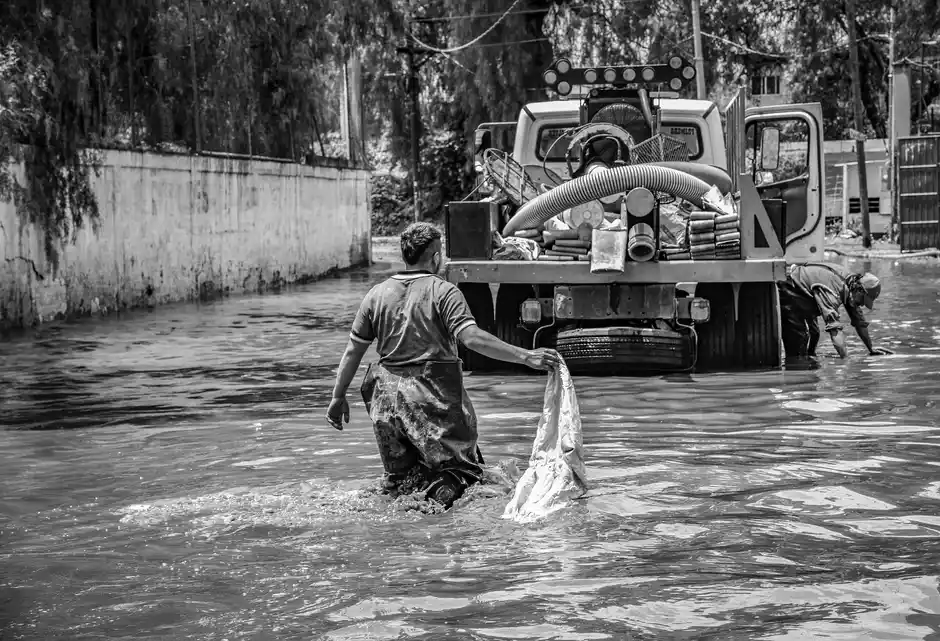
Basement Water Removal in Illinois is the process of extracting standing water from a below-grade space, then drying the slab, walls, and framing fast enough to stop mold from taking hold. It is not a shop vac job. We start with a moisture meter and thermal imaging camera to map how far the water has traveled, then run a truck-mounted water extractor or portable extraction unit where the truck cannot reach. A submersible sump pump handles deep water first. From there, air movers and dehumidifiers pull residual moisture out of concrete and drywall over two to five days.

Illinois basements flood for predictable reasons. Sump pump failure during a spring downpour, a burst pipe behind a finished wall in January, hydrostatic pressure seepage after a week of rain, or a sewage backup when the city main surcharges. We see all of it, from Aurora split-levels to Glen Ellyn century homes with stone foundations. If you are searching for affordable basement water removal in Illinois at 2 a.m. because your sump pit is overflowing, we answer the phone and we roll.

  • ✓ Water Out in Hours
  • ✓ Drying Done to Standard
  • ✓ Insurance-Ready Documentation
  • ✓ Mold Stopped Before It Starts
What's included

What Basement Water Removal Includes

Every job starts with source control and ends with a verified dry reading. Here is what is standard on a Basement Water Removal in Illinois call, and what we quote separately if it turns out you need it.

✓

Source Identification and Shutoff

We find where the water is coming from before we pull any out. Burst pipe, failed sump pump, foundation seepage, or roof leak running down inside a wall. We shut it down or isolate it so the extraction actually holds.

✓

Standing Water Extraction

Truck-mounted extractor for open areas, portable extraction unit for tight spaces, submersible sump pump for deep water. We pull carpet and pad when they are saturated beyond saving and dispose of them per Illinois guidelines.

✓

Structural Drying Setup

Air movers along the walls, a Dri-Eaz or Phoenix dehumidifier in the center, and daily moisture meter readings. Equipment runs two to five days on a typical job. We adjust placement as the readings change.

✓

Antimicrobial Treatment

Any surface that touched water gets treated with antimicrobial spray once it is dry to the touch. This is standard, not an add-on. It stops mold from colonizing the drywall paper and framing before it starts.

✓

Documentation Packet

Photos before, during, and after. Moisture maps. Thermal images. A written scope of work. This is what your insurance adjuster wants, and we hand it to you at the end of the job.

How it works

What to Expect When We Arrive

01

Phone Triage

We ask three questions: how deep is the water, is it clean or sewage, and is the power still on. That tells us what truck to send and what gear to load. You get a real arrival window, usually 60 to 90 minutes for emergencies in the Chicago metro.

02

Source Control

Before we pull a drop of water, we find where it is coming from. Water main shutoff tool for a burst pipe, sump pump check valve inspection for a failed pump, roof leak assessment if the ceiling is stained. Pulling water while the source is still running is wasted effort.

03

Extraction

Deep water goes first with a submersible sump pump or a Wayne or Zoeller utility pump. Then the truck-mounted extractor takes over for the carpet, pad, and slab. Portable extraction units handle tight crawl spaces and closets. This stage runs two to five hours on a typical job.

04

Drying Setup

We place air movers along the walls and a Dri-Eaz or Phoenix Restoration Equipment dehumidifier in the center of the room. Moisture meter and infrared thermometer readings get logged at placement. You get a daily check-in while equipment runs, usually two to five days.

05

Final Verification

We do not pull equipment until the slab and framing read dry against a baseline taken in an unaffected room. You get the drying log, photos, and a written summary. If anything needs a follow-up, we schedule it before we leave.

Tools & methods

Tools and Methods We Use

Purpose-built equipment, used by trained technicians — so the job is done accurately the first time.

Truck-Mounted Water Extractor

Pulls 50 to 100 gallons per minute from carpet, pad, and slab. This is the workhorse on every open-area extraction.

Portable Extraction Unit

Reaches crawl spaces, closets, and finished rooms where the truck hose cannot go. Same suction, smaller footprint.

Submersible Sump Pump

Handles deep standing water before the extractor takes over. Wayne, Zoeller, and Liberty Pumps units ride on every truck.

Dri-Eaz and Phoenix Dehumidifiers

Pull moisture out of the air so the slab and framing can dry. Sized to the cubic footage of the affected space.

Moisture Meter and Thermal Imaging Camera

Maps where the water actually went, including inside wall cavities and under flooring. No guessing.

Bore Scope Inspection Camera

Looks inside wall cavities and under subfloors without cutting open drywall. Confirms whether hidden framing is wet.

Pipe Thawing Machine

Opens frozen lines without cutting them, so we can extract and dry instead of tearing out wall.

Real results

Before and after.

Sump Pump Failure, Aurora Split-Level

Before

Four inches of standing water across an 800-square-foot finished basement. Carpet and pad saturated, drywall wicking at the base, sump pit overflowing. Homeowner called at 11 p.m. after the pump quit during a storm.

After

Water extracted in three hours with a truck-mounted unit and submersible pump. Carpet and pad removed. Drying equipment ran four days with daily moisture readings. Final slab reading matched the baseline in an unaffected room. No mold.

Burst Pipe Behind Laundry Wall, Mokena

Before

Copper supply line split during a January cold snap. Water ran behind the finished wall and into the basement for an estimated six hours. Drywall was soft at the base and the wall cavity was wet from the studs down.

After

Source shut off, water extracted, wall cavity checked with a bore scope. Targeted drying ran five days. Moisture meter readings inside the cavity dropped from 28 percent to 11 percent. Drywall saved, no tear-out needed.

Sewage Backup, Crest Hill

Before

City main surcharged after a three-inch rain event. Category 3 sewage water backed up through the floor drain and covered roughly 400 square feet of the basement. Carpet, pad, and lower drywall were contaminated.

After

Contaminated materials removed and disposed of per Illinois Department of Public Health guidelines. Antimicrobial spray applied to all surfaces. Drying ran three days. Final moisture readings verified dry and the space passed a visual mold check two weeks later.

Problems we solve

Problems We Solve in Illinois Basements

Most of our calls fall into a handful of categories. If yours is on this list, we have seen it hundreds of times and we know exactly what to do.

Ask a pro →
01

Sump pump fails during a spring storm

We pump out the standing water with a submersible unit, extract the saturated materials, then inspect the float switch, check valve, and pit liner. If the pump is dead, we tell you what to replace before the next storm.

↗
02

Burst or frozen pipe dumps water behind a finished wall

We shut the supply, extract from the room, then use a bore scope inspection camera to check inside the cavity. If the framing is wet, we set targeted drying equipment and verify with a moisture meter before closing anything up.

↗
03

Sewage backup after heavy rain

We extract, remove contaminated materials, and treat every surface with antimicrobial spray per Illinois Department of Public Health guidelines. We document the disposal so your adjuster has a clean paper trail.

↗
04

Hydrostatic pressure seepage through a stone or block foundation

We extract the standing water, dry the slab and lower wall, and check the exterior grade and drain tile. If the seepage is chronic, we tell you what a waterproofing membrane or backwater valve would do for you.

↗
Proof you can check

Licensed, Certified, and Insured

✓
IICRC WRT (Water Damage Restoration Technician)Institute of Inspection, Cleaning and Restoration Certification
✓
IICRC ASD (Applied Structural Drying)Institute of Inspection, Cleaning and Restoration Certification
✓
IICRC AMRT (Applied Microbial Remediation Technician)Institute of Inspection, Cleaning and Restoration Certification
✓
EPA Lead-Safe CertificationU.S. Environmental Protection Agency
✓
Illinois Plumbing LicenseIllinois Department of Public Health
Customer reviews

What Illinois Homeowners Say

★★★★★
“Sump pump died during a storm in April and we had four inches of water across the whole basement. Called at 11 p.m. and a crew was here in about 75 minutes. They pumped it out, set up dehumidifiers, and checked the pit liner before they left. Drying log came in handy with the insurance company.”
DR

Dan R.Homeowner, Aurora

✓ Verified
★★★★★
“Pipe burst behind the laundry wall in January and water ran into the basement for who knows how long. They found the source, shut it down, and dried the wall cavity with a camera check. Took four days total. They called every morning with an update, which I appreciated.”
TS

Tom S.Homeowner, Mokena

✓ Verified
Good questions

Frequently Asked Questions

(833) 640-1438 →

Most residential jobs run $500 to $2,800 in 2026, depending on square footage, water category, and how long drying takes. A shallow clean-water extraction with two days of drying sits near the low end. Sewage backups, finished basements, and jobs needing mold remediation push toward the top. We give you a flat number before we start, and the estimate is free.

We do, across the Chicago metro and outlying counties. IL Water Remover Pros dispatches from multiple points so we can reach most Illinois addresses within 60 to 90 minutes for emergencies. Call (833) 640-1438 and we will confirm the arrival window for your address before we hang up.

No. Standing water has to come out before drying equipment can do anything useful. Air movers blowing across a puddle just spread moisture into the air and slow the whole job down. We extract first with a truck-mounted unit or submersible pump, then set drying equipment. Skipping extraction is the number one reason DIY drying fails.

Most Illinois homeowners policies cover sudden and accidental discharge, like a burst pipe or water heater failure. Groundwater seepage and long-term neglect usually are not covered. We document everything with photos, moisture maps, and a written scope so your adjuster has what they need. We have been doing this since 2014 and know what carriers ask for.

Where we deliver this service

Cities We Serve for Basement Water Removal

We deliver Basement Water Removal in Illinois from multiple dispatch points, so we reach most addresses in the Chicago metro and surrounding counties within 60 to 90 minutes for emergencies. Whether you need basement water extraction services Illinois homeowners rely on after a storm or a scheduled dry-out for a slow leak, we cover the state with the same crew standard and the same documentation.

AuroraOlder housing stock near the Fox River floods often in spring. We handle sump pump failures and foundation seepage across Aurora with same-day emergency dispatch.View area →HampshireNewer builds with drain tile and sump pits. When a pit liner cracks or the pump quits, we extract, dry, and verify before the slab wicks into the framing.View area →BarringtonLarge homes with finished basements and complex layouts. We map moisture with thermal imaging before setting equipment so nothing gets missed behind finished walls.View area →InglesideLakefront and low-lying properties with a high water table. Hydrostatic seepage calls are common here, and we plan drying time accordingly.View area →Round LakeSump pump failure is our most frequent call in Round Lake. We extract fast, then inspect the float switch, check valve, and pit liner before we leave.View area →BeecherRural and semi-rural properties with crawl spaces and older foundations. We use portable extraction units where the truck cannot reach and verify with a moisture meter.View area →Crest HillSewage backups after heavy rain are common in Crest Hill. We treat them as Category 3, remove contaminated materials, and document disposal for your adjuster.View area →Glen EllynCentury homes with stone foundations and finished basements. We follow EPA Lead-Safe practices on pre-1978 builds and dry stone walls with adjusted equipment placement.View area →LemontNewer construction with drain tile systems. When the system fails or the sump pit overflows, we extract and dry to the ANSI/IICRC S500 Standard with a full drying log.View area →MokenaFinished basements and burst pipe calls in winter. We check wall cavities with a bore scope before setting targeted drying so hidden framing does not stay wet.View area →
Ready when you are

Get Basement Water Removal in Illinois Started Now

Every hour you wait gives mold a head start and gives your insurance adjuster more questions. Call IL Water Remover Pros at (833) 640-1438 and we will dispatch a crew with a truck-mounted extractor and drying equipment. Free estimate, flat pricing, and we answer 24/7.

Call Now (833) 640-1438 →
Request an appointment

Call IL Water Remover Pros

Call (833) 640-1438 and a live dispatcher picks up, 24 hours a day, every day of the year. Tell us what happened, where you are in Illinois, and we will give you an ETA and a few things to do right now while you wait. Most crews arrive within 60 minutes.

Request received — our team will be in touch shortly.
Tap to call(833) 640-1438