Frozen pipe bursts during a January cold snap
We thaw the line with a pipe thawing machine, repair the split, and extract the water that already escaped. Then we dry the structure and check adjacent runs for freeze damage before we leave.
Burst Pipe Water Removal in Illinois means stopping the water, extracting what's already on the floor, and drying the structure before mold sets in. We run truck-mounted extractors and air movers to homes and businesses from Waukegan to Homer Glen, day or night. When a pipe lets go at 2 a.m., our crews are on the road with the pumps, meters, and drying gear to get your space back to dry.
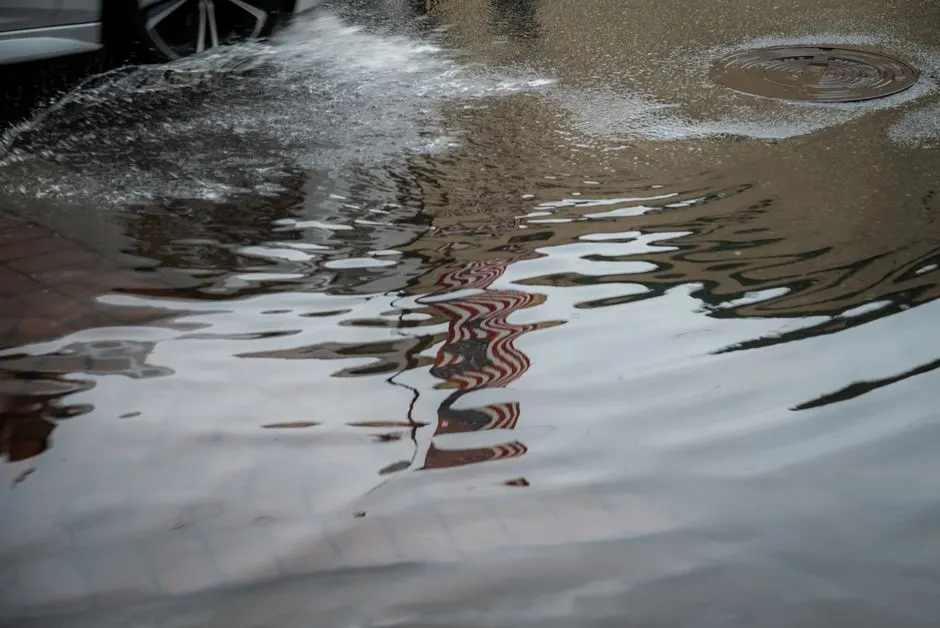
Burst Pipe Water Removal in Illinois is the process of shutting off the failed line, extracting standing water from floors and cavities, and drying the building to IICRC S500 standards so the structure doesn't rot or grow mold. A 1/2-inch copper line at 60 psi can dump 10 to 20 gallons per minute, which means a 900-square-foot basement can take on 3 to 4 inches of water in under an hour. We pull that water with truck-mounted extractors and submersible sump pumps, then dry the framing with air movers and dehumidifiers.
Illinois homes need this service for a few predictable reasons. Older housing stock in Elgin, Elmhurst, and Saint Charles still runs copper and galvanized pipe that fatigues and splits. Newer PEX systems in Marengo and Newark fail at fittings when they freeze. A hard January cold snap drives frost 3 to 4 feet deep, and pipes in exterior walls and unheated crawl spaces burst when they thaw. That's why our emergency pipe burst water removal Illinois teams stay staffed through winter.
Every Burst Pipe Water Removal job we run includes the full scope from water shutoff through final moisture verification. We don't nickel-and-dime the basics. Here's what's covered on a standard call, and what we quote separately if your job needs it.
We confirm the main is off and use a water main shutoff tool if it isn't. If you can't find the valve, we locate it, shut it, and show you where it is for next time. No extra charge.
Truck-mounted extractors, submersible sump pumps, and wet/dry vacuums pull standing water from floors, carpet, and cavities. We extract until surfaces are dry to the touch, not just until the puddle is gone.
Air movers and Dri-Eaz or Phoenix dehumidifiers get placed based on moisture readings. We monitor daily with moisture meters and thermal imaging cameras until the structure hits dry standard.
Any framing, drywall, or subfloor that was underwater gets treated with antimicrobial spray. This is standard practice under Illinois Department of Public Health remediation guidelines and helps prevent mold growth after water damage.
Our licensed plumbers repair or replace the failed pipe section with PEX or copper, install pipe insulation or heat tape where needed, and pressure-test the line before we call the job done.
Photos, moisture logs, and a written scope in adjuster-ready format. We bill your carrier directly and explain your deductible before work starts, so there are no surprises at the end.
You call (833) 640-1438 and describe what's happening. We ask where the water is, whether you've shut off the main, and how deep it's standing. Within minutes we dispatch the nearest crew with a truck-mounted water extractor, submersible sump pump, and wet/dry shop vacuums. Most Illinois addresses see us in 60 to 90 minutes.
First thing on site, we confirm the water main is off and use a water main shutoff tool if it isn't. Then we walk the loss with a moisture meter, thermal imaging camera, and bore scope inspection camera to find hidden water behind walls and under floors. This takes 15 to 30 minutes and tells us exactly how far the damage reaches.
We pull standing water with the truck-mounted extractor and portable units, then chase the last inch with submersible pumps and wet/dry vacuums. Carpet, pad, and any soaked debris come out. A typical 900-square-foot basement takes 2 to 4 hours to extract. We bag and haul everything to the curb.
We set air movers along walls and Dri-Eaz or Phoenix dehumidifiers in the center of the space. Moisture readings get logged daily. Most jobs hit dry standard in 3 to 5 days. We also apply antimicrobial spray to any framing that was underwater, which is standard practice under Illinois Department of Public Health remediation guidelines.
Once the structure is dry, our licensed plumbers repair or replace the failed pipe with PEX or copper and pressure-test the line. We do a final moisture sweep, pull our equipment, and leave you a written report with before-and-after readings. You get a dry home and a plumbing fix that holds.
Purpose-built equipment, used by trained technicians — so the job is done accurately the first time.
Pulls hundreds of gallons per hour from carpet, hardwood, and concrete. This is the first piece of equipment on site and the one that removes the bulk of the water.
Wayne, Zoeller, and Liberty Pumps units handle deep standing water in basements and crawl spaces where a standard extractor can't reach.
Legend Brands low-grain refrigerant and desiccant units pull moisture out of the air so the structure can dry. We size them to the cubic footage of the space.
High-velocity fans push air across wet surfaces to speed evaporation. We place them along walls and in corners where moisture hides.
These find water behind walls, under floors, and inside ceilings without tearing anything open. They also confirm when the structure has hit dry standard.
Lets us look inside wall cavities and pipe chases to find the exact failure point and check for hidden water damage.
Thaws frozen lines safely without a torch, which is critical in older Illinois homes with copper or PEX piping.
A supply line froze and split in an unheated garage wall. Water ran into a finished basement for 6 hours before the homeowner noticed. Carpet was soaked, drywall was wicking water 18 inches up, and standing water covered 400 square feet.
We extracted 180 gallons, removed the soaked carpet and pad, and set 8 air movers and 2 dehumidifiers. The structure hit dry standard in 4 days. Our plumber replaced the split section with PEX and added pipe insulation.
A copper line burst in a second-floor bathroom and ran into the downstairs unit. Both units had wet ceilings and soaked carpet. The tenant called us at 2 a.m. and the water had been running for about 90 minutes.
Two trucks arrived within 80 minutes. We extracted both units, opened the wet ceiling in the lower unit, and set drying equipment for 5 days. The failed section was repaired and pressure-tested. Both units were back to normal in under a week.
A PEX fitting failed in a crawl space during a January cold snap. Water pooled 4 inches deep across 300 square feet of crawl space and started wicking into the floor joists above. The homeowner noticed a musty smell before finding the water.
We pumped out the standing water with a submersible unit, extracted the residual moisture, and set drying equipment in the tight space. The joists hit dry standard in 5 days. We applied antimicrobial spray and repaired the fitting with a new PEX connection.
Most burst pipe calls fall into a handful of patterns, and each one has its own timing pressure. Here's what we see most often across Illinois and how we handle it.
Ask a pro →We thaw the line with a pipe thawing machine, repair the split, and extract the water that already escaped. Then we dry the structure and check adjacent runs for freeze damage before we leave.
We locate the failure with a bore scope inspection camera, extract the water, dry the cavity, and replace the section with PEX or copper. We pressure-test the repair before closing up.
We extract with truck-mounted units and submersible pumps, check the sump pump check valve and float switch, dry the space, and document everything for your insurance claim.
We use thermal imaging and moisture meters to map the wet zone, extract what we can, dry the slab and flooring, and coordinate the plumbing repair with our licensed team.
“A supply line split under our kitchen sink at 11 p.m. and by the time we noticed, water was running into the basement. IL Water Remover Pros had a crew at the house in about 75 minutes. They extracted everything, set drying equipment for 4 days, and their plumber replaced the line. Insurance covered it and we only paid the deductible.”
Dave R.Homeowner, Elmhurst
✓ Verified“Our upstairs bathroom pipe froze and burst during that January cold snap. Water came through the ceiling into the living room. The crew was professional, walked me through every step, and documented everything for my adjuster. Ceiling and walls dried in 4 days with no mold. I'd call them again without hesitation.”
Karen M.Homeowner, Lake Zurich
✓ Verified“We manage a 12-unit building and had a pipe burst in a second-floor unit over a holiday weekend. IL Water Remover Pros answered on the first ring and had two trucks on site within 90 minutes. They dried 4 units, repaired the failed section, and handled the insurance paperwork. Saved us from a much bigger mold problem.”
Tom S.Property Manager, Waukegan
✓ VerifiedMost residential jobs run $1,200 to $3,800 in 2026, depending on how much water escaped and how far it spread. A single-room extraction with 3 days of drying sits near the low end. A finished basement with 3 to 4 inches of standing water, wet drywall, and carpet removal pushes toward the top. Insurance usually covers the drying and repair. We give you a written range before we start.
We do, across the northern half of the state. IL Water Remover Pros runs 24/7 crews out of multiple Illinois locations, so we cover everything from Waukegan and Grayslake in the north to Homer Glen and New Lenox in the south. Call (833) 640-1438 and dispatch sends the nearest truck. Most addresses see us in 60 to 90 minutes.
Find the main shutoff valve, usually near the water meter in the basement or a utility closet, and turn it clockwise until it stops. For older Illinois homes with a gate valve, it may take several full turns. If the valve is stuck or you can't find it, call us at (833) 640-1438 and we'll walk you through it while a crew heads your way. Then open a low faucet to drain the lines.
Yes, in most cases. Standard homeowner policies cover sudden and accidental pipe bursts, including extraction, drying, and repairs to the structure. What they usually don't cover is the failed pipe itself or damage from long-term neglect. We document the loss, bill your carrier directly, and explain your deductible before work starts, so there are no surprises.
IL Water Remover Pros delivers Burst Pipe Water Removal to homes and businesses across northern Illinois. Our crews stage out of multiple locations so we can reach most addresses in 60 to 90 minutes, whether you're in a Waukegan high-rise or a Newark farmhouse. Every job runs the same 24/7 burst pipe water extraction services Illinois customers expect: fast extraction, proper drying, licensed plumbing repair, and adjuster-ready documentation.
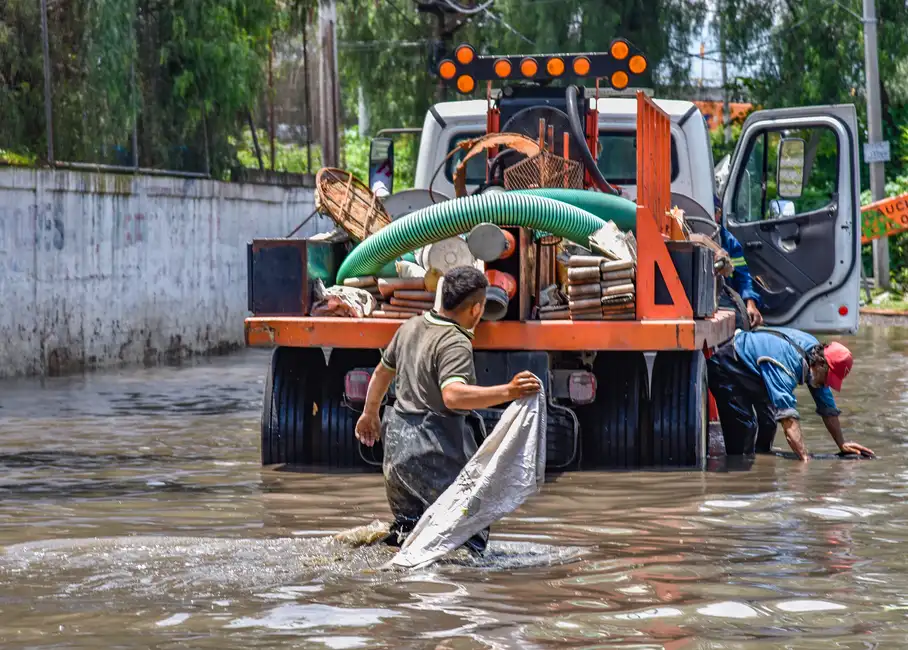 Basement Water RemovalA burst pipe often dumps its water straight into the basement. We extract standing water, pull soaked carpet, and dry the block or poured walls so the space doesn't stay damp and grow mold.Explore →
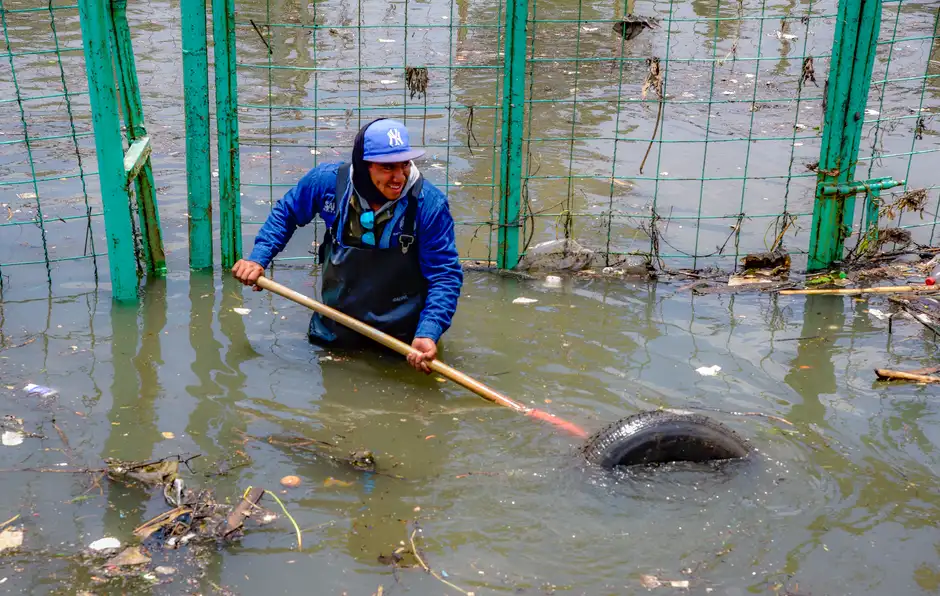 Flood Water RemovalWhen a burst pipe combines with storm flooding, the water category changes and the cleanup gets more complex. We handle both, extract the volume, and dry the structure to S500 standard.Explore →
 Storm Water RemovalIllinois spring storms push water through foundations and window wells. If your burst pipe happened during a storm event, we handle the storm intrusion and the plumbing failure in one visit.Explore →
 Sewage Water RemovalA burst pipe near a sewer line can pull contaminated water into the same space. We treat that as a category 3 loss, extract it with dedicated equipment, and apply antimicrobial spray to affected framing.Explore →
 Sump Pump Failure Water RemovalSump pump failure and burst pipes often hit the same basement. We extract the water, dry the space, and can check your sump pump check valve and float switch while we're there.Explore →
 Frozen Pipe Water RemovalMost Illinois burst pipes start as frozen pipes. We thaw the line with a pipe thawing machine, repair the split, and extract the water that already escaped.Explore →
 Standing Water RemovalStanding water in a basement or crawl space is a mold risk within 48 hours. We pump it out with submersible units, extract the residue, and dry the structure fast.Explore →
 Crawl Space Water RemovalCrawl spaces trap moisture and stay wet for weeks. We extract the water, set drying equipment in the tight space, and check for hydrostatic pressure seepage while we're under there.Explore →
Water is spreading while you read this. Call (833) 640-1438 and a live dispatcher sends the nearest crew with extractors, pumps, and drying equipment. Most Illinois addresses see us in 60 to 90 minutes, 24 hours a day, every day of the year.
Get Emergency Help (833) 640-1438 →Call (833) 640-1438 and a live dispatcher picks up, 24 hours a day, every day of the year. Tell us what happened, where you are in Illinois, and we will give you an ETA and a few things to do right now while you wait. Most crews arrive within 60 minutes.