24/7 emergency response across the state, from Kane County to Will County

Sump Pump Failure Water Removal in Illinois

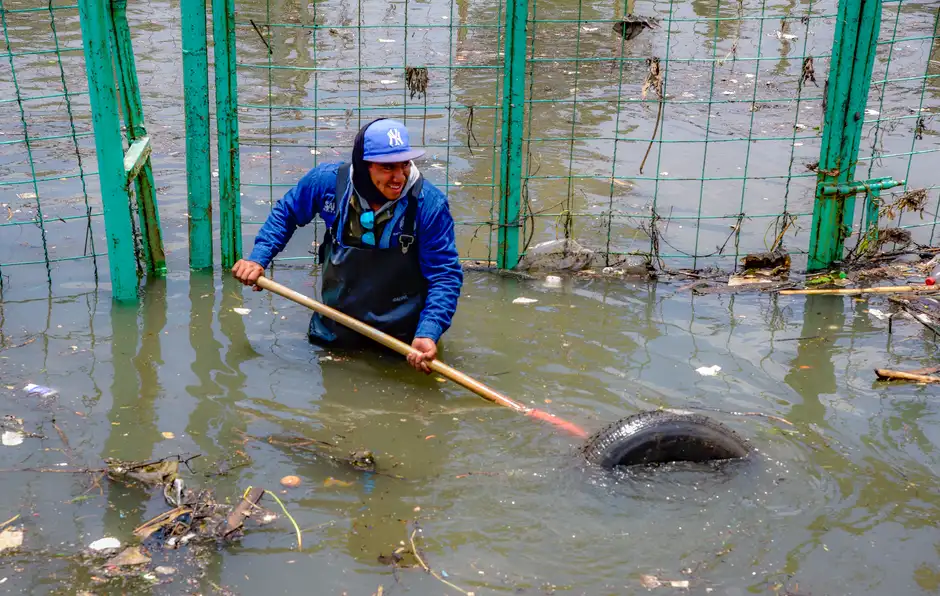
Sump Pump Failure Water Removal in Illinois is what we do every day, and we do it fast. When a float switch sticks, a check valve fails, or a Zoeller pump quits during a spring storm, we pull the standing water out of your basement before it reaches drywall, furnaces, and stored belongings. We cover the whole state, from Fox Lake to Manhattan, with truck-mounted extractors and IICRC-certified techs on call around the clock.

↗
Fast online booking

Request service today

Tell us what is happening. Our local team will confirm your visit shortly.

No spam. No obligation. Just practical help.
Thanks — we'll call shortly to confirm your visit.
Water Extraction in Illinois
Careful work. Honest options.
About this service

What Sump Pump Failure Water Removal in Illinois Involves

Sump Pump Failure Water Removal in Illinois is the emergency extraction, drying, and moisture verification that happens after your sump pump stops doing its one job. A failed pump can dump 50 to 100 gallons into a basement in under an hour during a heavy rain. We arrive with a truck-mounted extractor, pull the standing water, check the pit and float switch, and run air movers and dehumidifiers until the slab and framing read dry on a moisture meter. Most residential jobs are extracted and drying within three to four hours of arrival.

Illinois homeowners call us for the same handful of scenarios: a Wayne or Liberty Pumps unit that ran nonstop through a July storm and burned out, a frozen discharge line in January that backed water into the pit, or a power outage during a spring squall that killed the pump mid-cycle. We handle failed sump pump cleanup Illinois-wide, from 1920s bungalows in Berwyn to new construction in Plainfield. If you are searching for emergency sump pump failure water removal in Illinois at 2 a.m., we answer the phone and dispatch.

  • ✓ Same-Day Extraction Statewide
  • ✓ IICRC-Certified Drying
  • ✓ Insurance-Ready Documentation
  • ✓ Mold Prevention Built In
What's included

What Our Sump Pump Failure Water Removal Includes

Every job includes the full extraction and drying package. We do not charge extra for moisture readings, antimicrobial spray, or daily equipment checks. If we find mold or a broken discharge line, we will tell you before we do any additional work.

✓

Emergency Water Extraction

Truck-mounted extractor for bulk water, portable unit for tight spaces, and a wet/dry shop vacuum for the last half inch. We pull water from carpet, concrete, and hardwood before it wicks into the subfloor.

✓

Pump and Pit Diagnosis

We inspect the float switch, check valve, discharge line, and pit liner. A bore scope camera checks the line for ice or debris. You get a straight answer on whether the pump needs repair or replacement.

✓

Structural Drying Setup

Air movers along the walls, a commercial dehumidifier in the center, and moisture meters on the slab and framing. We set the equipment, explain how it works, and return daily to check readings.

✓

Antimicrobial Treatment

We apply antimicrobial spray to affected framing, baseboards, and cavities to prevent mold growth. This is included on every job, not an add-on. If mold is already present, our AMRT-certified techs handle remediation.

✓

Insurance Documentation

Photos of the failed pump, water line, and affected square footage, plus moisture maps and equipment logs. We send the file to your adjuster and bill your carrier directly when the loss is covered.

✓

Final Moisture Verification

We take final readings on every wet surface and confirm the structure is below 16 percent moisture content. You get a written drying log and a walkthrough before we pull the equipment.

How it works

Our Sump Pump Failure Water Removal Process

01

Emergency Call

You call (833) 640-1438 and reach a live dispatcher, day or night. We ask three questions: where is the water, how deep is it, and is the pump still running. That tells us what truck to send and what equipment to load. You get an arrival window before you hang up.

02

Water Extraction

We start with a truck-mounted water extractor for the bulk of the standing water, then switch to a portable extraction unit for tight corners, closets, and under stairs. A wet/dry shop vacuum handles the last half inch around the pit. A typical 800-square-foot basement takes two to three hours to extract.

03

Pump Diagnosis

Once the water is down, we inspect the pit, float switch, check valve, and discharge line. A bore scope inspection camera lets us check the line for ice blockages or debris without tearing up your yard. We tell you whether the pump is repairable or needs replacement before we leave.

04

Structural Drying

We set air movers along the walls and a commercial dehumidifier in the center of the room. A thermal imaging camera and moisture meter track the drying front daily. Most basements hit dry standard in three to five days, and we return each day to check readings and adjust equipment.

05

Final Verification

We take final moisture readings on the slab, baseboards, and any framing that got wet. When everything reads dry, we pull the equipment, do a walkthrough with you, and hand over the drying log. You get a written summary of what was wet, what we did, and what to watch for next storm season.


Tools & methods

Tools and Methods We Use

Purpose-built equipment, used by trained technicians — so the job is done accurately the first time.

Truck-Mounted Water Extractor

Pulls bulk standing water from basements and crawl spaces faster than any portable unit. On a 1,200-square-foot flooded basement, it can cut extraction time by half.

Portable Extraction Unit

Reaches tight corners, closets, under stairs, and crawl spaces where the truck mount cannot go. We use it after the truck mount for the last half inch of water.

Thermal Imaging Camera

Finds hidden moisture behind walls and under floors without tearing anything out. We use it to map the true extent of the water damage before we set drying equipment.

Moisture Meter

Tracks drying progress daily on the slab, baseboards, and framing. We do not pull equipment until readings confirm the structure is below 16 percent moisture content.

Bore Scope Inspection Camera

Checks the sump pump discharge line for ice blockages, debris, or cracks without digging up your yard. It also lets us inspect the pit liner for damage.

Dri-Eaz and Phoenix Dehumidifiers

Commercial-grade dehumidifiers that pull moisture out of the air and speed structural drying. We size the unit to the cubic footage of the affected space.

Air Movers

Directed airflow along walls and floors to evaporate moisture from surfaces. We position them based on the room layout and the moisture map from our thermal camera.

Real results

Before and after.

Finished Basement Saved in Downers Grove

Before

A Zoeller pump failed during a July storm and dumped two inches of water across a 1,100-square-foot finished basement. Carpet, baseboards, and the bottom two feet of drywall were saturated. The homeowner called at 7 a.m.

After

We extracted the water in two hours, removed the wet carpet pad, and set 12 air movers and two dehumidifiers. Five days later, moisture readings on the drywall and slab were below 16 percent. The homeowner only had to replace the pad, not the carpet or drywall.

Crawl Space Dried in Fox Lake

Before

A frozen discharge line backed water into a 600-square-foot crawl space. The homeowner did not notice for three days. Joists and subfloor were wet, and mold had started on the north side.

After

We cleared the ice blockage, extracted the standing water, and applied antimicrobial spray. Our AMRT techs removed mold from two joists and set directed air movers. Four days later, all readings were below 16 percent and the crawl space was dry.

Sewage Backup Remediated in New Lenox

Before

A failed check valve allowed sewage to back up through the sump pit into a 400-square-foot basement laundry room. The water was Category 3, and the bottom foot of drywall was contaminated.

After

Our AMRT-certified techs suited up in PPE, extracted the water, and removed the contaminated drywall and insulation. We applied antimicrobial spray, dried the structure, and verified with moisture meters. The room was dry and safe in four days.

Problems we solve

Sump Pump Problems We Solve Across Illinois

Every failed sump pump leaves behind a different mess. Here are the most common problems we see in Illinois basements and how we handle each one.

Ask a pro →
01

Basement flooded after a storm and the pump is dead

We extract the standing water with a truck-mounted unit, diagnose the pump, and set drying equipment the same visit. If the pump needs replacement, we coordinate with a licensed plumber and have the basement drying while the new pump goes in.

↗
02

Sump pit overflows every time it rains hard

We extract the water, then measure the pit volume and pump output. If the pit is too small or the pump is undersized, we recommend a submersible upgrade and a larger pit liner. We also check the discharge line for clogs that cause backflow.

↗
03

Discharge line froze and water backed into the pit

We clear the ice blockage, extract the water, and check the line for cracks. We also recommend pipe insulation and heat tape on exterior discharge runs to prevent the next freeze. If the line is damaged, we replace it with PEX or PVC.

↗
04

Sewage backed up through the sump pit

Our AMRT-certified techs suit up in full PPE, extract the water, and remove contaminated materials. We apply antimicrobial spray, dry the structure, and verify with moisture meters before reconstruction begins.

↗
Proof you can check

Licensed, Certified, and Insured in Illinois

✓
IICRC WRT (Water Damage Restoration Technician)Institute of Inspection, Cleaning and Restoration Certification
✓
IICRC ASD (Applied Structural Drying)Institute of Inspection, Cleaning and Restoration Certification
✓
IICRC AMRT (Applied Microbial Remediation Technician)Institute of Inspection, Cleaning and Restoration Certification
✓
EPA Lead-Safe CertificationU.S. Environmental Protection Agency
✓
Illinois Plumbing LicenseIllinois Department of Public Health
Customer reviews

What Illinois Homeowners Say

★★★★★
“Our Zoeller pump quit during a July storm and we had two inches of water across the whole basement. IL Water Remover Pros had a truck here in 90 minutes. They pulled the water, set up dehumidifiers, and were back every day checking readings. Five days later everything was dry and they handed us a log for the insurance claim. No drama, no upsell.”
DR

Dave R.Homeowner, Downers Grove

✓ Verified
★★★★★
“We had a failed float switch during a spring storm and the basement was soaked. The crew was professional, explained everything, and worked with our insurance adjuster directly. They dried the drywall and baseboards without tearing anything out. Saved us thousands compared to what a rebuild would have cost.”
TS

Tony S.Homeowner, New Lenox

✓ Verified
Good questions

Frequently Asked Questions

(833) 640-1438 →

Most residential jobs in Illinois run $500 to $2,500 for extraction and drying, depending on square footage and how long the water sat. A small 400-square-foot basement with minimal saturation may come in under $800. A finished 1,500-square-foot basement with wet drywall and insulation pushes toward the higher end. We give you a written price before we start, and we bill your insurance carrier directly when the loss is covered.

IL Water Remover Pros covers the entire state, from Lake County down to Will County. We run crews out of multiple hubs so a call from Wauconda or New Lenox gets a truck rolling the same day. Call (833) 640-1438 and the dispatcher will tell you exactly which crew is closest and when they will arrive. We have been doing this work since 2014.

The three most common causes we see are a stuck float switch, a burned-out motor from running nonstop, and a frozen or clogged discharge line. After a heavy Illinois rain, a pump that cycles every 30 seconds can overheat and quit in under an hour. If your discharge line runs outside and the temperature dropped below freezing, ice can block it and back water into the pit. We diagnose the exact cause during the extraction visit.

Most standard Illinois homeowners policies cover sudden sump pump failure, but not gradual seepage or neglect. If your pump quit during a storm and dumped water into a finished basement, that is usually a covered loss. We photograph the failed pump, document the water line, and bill your carrier directly. If your policy excludes sump pump failure, we offer upfront pricing so you know the cost before we start.

Where we deliver this service

Cities We Serve for Sump Pump Failure Water Removal

We deliver sump pump failure water extraction services across Illinois, from the Chain O'Lakes region to the southwestern suburbs. Our crews run out of multiple hubs so we can reach a flooded basement in Carpentersville, Downers Grove, or New Lenox the same day you call. Every crew knows the local housing stock, soil conditions, and common pump failure patterns.

CarpentersvilleMany homes here have older sump pits and cast iron discharge lines. We check for scale buildup and pit liner cracks during every extraction visit.View area →North AuroraNorth Aurora sits near the Fox River, so water tables run high. We see pumps that run year-round and recommend battery backup systems for these properties.View area →Fox LakeChain O'Lakes properties have some of the highest water tables in the county. Sump pumps here run constantly, and we see more burned-out motors than anywhere else.View area →Lake VillaLake Villa homes near Cedar Lake and the Chain O'Lakes deal with year-round high water. We extract and dry fast to protect finished basements in this area.View area →WaucondaWauconda sits on Bangs Lake, and many homes have crawl spaces that flood when the sump pit overflows. We use compact extraction units and directed air movers for these jobs.View area →BraidwoodBraidwood's clay soil holds water and raises hydrostatic pressure on foundations. We see more pit overflow calls here after heavy spring rains.View area →Downers GroveMany Downers Grove homes have finished basements with carpet and drywall. A failed pump here causes more damage faster, so we prioritize same-day extraction.View area →HinsdaleHinsdale's historic homes have stone foundations and older discharge lines. We check for scale buildup and pit liner cracks during every visit.View area →ManhattanManhattan is growing fast, and newer homes sometimes have undersized sump pits. We measure pit volume and pump output to confirm the system can handle a heavy storm.View area →New LenoxNew Lenox new construction often has pumps that were undersized from day one. We diagnose the failure and recommend the right replacement before the next storm.View area →
Ready when you are

Call Now for Sump Pump Failure Water Removal in Illinois

Water from a failed sump pump can ruin a finished basement in hours. We answer the phone 24/7, dispatch a crew the same day, and bill your insurance directly. Call (833) 640-1438 now and we will tell you exactly when we can be there.

Call Now (833) 640-1438 →
Request an appointment

Call IL Water Remover Pros

Call (833) 640-1438 and a live dispatcher picks up, 24 hours a day, every day of the year. Tell us what happened, where you are in Illinois, and we will give you an ETA and a few things to do right now while you wait. Most crews arrive within 60 minutes.

Request received — our team will be in touch shortly.
Tap to call(833) 640-1438