Pipe bursts behind a finished wall overnight
We use a thermal imaging camera and bore scope inspection camera to find the break with one small access cut. Then we extract, dry the cavity, and repair the pipe. Most jobs are dry in three days.
Frozen Pipe Water Removal in Illinois starts with a phone call and ends with a dry, tested structure. Our IICRC-trained crews thaw frozen lines, extract standing water, and dry walls, ceilings, and floors before mold takes hold. We run 24/7 across the state, from Elburn to Oak Brook, with truck-mounted extractors and thermal imaging cameras on every call. Most jobs are stabilized the same day you call.

Frozen Pipe Water Removal in Illinois is the process of thawing a frozen supply line, stopping the water release, extracting standing water, and drying the structure to IICRC S500 standards. A pipe that freezes between the meter and the fixture expands, splits at the seam or joint, and then releases hundreds of gallons once it thaws. We find the break with a thermal imaging camera and bore scope inspection camera, shut the water main, and pull water out with a truck-mounted water extractor before it reaches the joists.
Illinois homes face this every winter. Pipes running through unheated crawl spaces, garage walls, and rim joists freeze when overnight temps drop below 20 degrees, then burst on the first warm afternoon. If you search for emergency frozen pipe water removal in Illinois at 2 a.m., you are usually looking at a wet basement, a soaked ceiling, or standing water in a kitchen. We handle all three, and we do it with the same crew that has run 12 years of winter calls since 2014.
Every frozen pipe water removal Illinois job includes the full extraction and drying package, not just a pump-out. Here is what is covered on a standard call, and what we quote separately if the job needs it.
We locate and shut the water main with a water main shutoff tool, then confirm the line is isolated. This stops the water release so extraction and drying can actually work.
We thaw the frozen section with a pipe thawing machine and repair the split. Copper pipe, PEX piping, and PVC pipe each get a different repair approach, and we carry fittings for all three on the truck.
Truck-mounted water extractor for bulk water, portable extraction unit for tight spaces, and a wet/dry shop vacuum for edges and carpet. We pull water until the surface reads dry on a moisture meter.
Air movers and dehumidifiers placed by room and cavity, sized to the square footage. We monitor with a moisture meter and thermal imaging camera twice daily and adjust until the structure is dry.
We apply antimicrobial spray to all affected surfaces before drying. This is the step that stops mold growth after water damage and keeps the job from turning into a remediation project.
Photos, moisture readings, drying logs, and a written scope. We hand it to you or send it straight to your adjuster so the claim moves without back-and-forth.
You call (833) 640-1438 and describe what you see. We ask about the water main, the affected floor, and whether the ceiling is sagging. A crew is dispatched within minutes, and you get a call-back with an arrival window.
First we shut the water main with a water main shutoff tool, then thaw the line with a pipe thawing machine. This usually takes 30 to 90 minutes depending on pipe material. Copper pipe thaws faster than PEX piping in a tight wall cavity.
We pull standing water with a truck-mounted water extractor, then finish edges with a portable extraction unit and a wet/dry shop vacuum. Carpet, pad, and any soaked insulation come out if they cannot be dried in place.
Air movers and dehumidifiers run 24/7 for two to four days. We check moisture meter readings twice a day and adjust equipment placement. A submersible sump pump handles any water that keeps seeping into a low corner.
We take final moisture readings, photograph the dry structure, and walk you through the drying log. If you want, we hand off the file to your insurance adjuster. Then we talk through pipe insulation and heat tape so it does not happen again.
Purpose-built equipment, used by trained technicians — so the job is done accurately the first time.
Pulls hundreds of gallons of standing water fast from basements, garages, and large rooms. The workhorse on every frozen pipe burst water removal Illinois job.
Shows temperature differences behind walls and ceilings so we can pinpoint the frozen section and the wet cavity without tearing out drywall blindly.
Thaws frozen copper pipe and PEX piping safely without a torch. We use it before any repair so the line is not under pressure when we open it.
Low-grain refrigerant and desiccant units that pull moisture out of the air and structure. Sized to the room and monitored daily against the IICRC S500 standard.
Confirms dry standard at every check. We log readings twice a day so you and your adjuster can see the structure drying, not just take our word for it.
Lets us look inside wall cavities and under floors to confirm the break location and check for hidden water before we close anything up.
Replacement pumps and check valves when a frozen discharge line takes out the existing pump. We test the float switch before we leave.
A supply line behind the kitchen wall froze and split overnight. Water ran down into the basement ceiling for six hours before the homeowner noticed. Carpet in the basement was soaked, and the ceiling drywall was sagging.
We shut the main, thawed the line, and extracted 40 gallons with a truck-mounted extractor. One small access hole found the split. Basement carpet was saved, ceiling dried in three days, and moisture meter readings returned to dry standard.
A frozen pipe in an unheated crawl space burst during a January cold snap. Standing water covered the vapor barrier, and humidity in the house spiked. The homeowner smelled damp air upstairs within a day.
We pumped the crawl space with a submersible sump pump and portable extraction unit, then ran dehumidifiers and air movers for four days. Antimicrobial spray was applied to all surfaces. Final moisture readings were within dry standard.
The sump pump discharge line froze solid during a thaw. The pump cycled and burned out, and the basement took on two inches of water overnight. A finished basement rec room was at risk.
We thawed the discharge line, extracted the standing water, and dried the carpet and pad in place. We replaced the failed pump with a Zoeller unit and tested the float switch and check valve. Basement was dry in three days.
Illinois winters break pipes in predictable ways. Here are the four calls we run most often, and what happens if you wait.
Ask a pro →We use a thermal imaging camera and bore scope inspection camera to find the break with one small access cut. Then we extract, dry the cavity, and repair the pipe. Most jobs are dry in three days.
We pump the water out with a submersible sump pump and portable extraction unit, then run air movers and dehumidifiers sized for the space. We check the vapor barrier and insulation before closing up.
We thaw the discharge line, extract the flooded water, and test the sump pump float switch and check valve. If the pump is done, we can install a replacement the same day.
We open the ceiling where the thermal camera shows moisture, extract, and dry the cavity with air movers. We document the full extent for insurance so nothing gets missed.
“Our kitchen supply line froze and split while we were at work. Water was running down into the basement by the time we got home. IL Water Remover Pros had a truck here in about 75 minutes, shut the main, thawed the line, and pulled the water out of the ceiling. Drying took three days. No mold, no tear-out beyond one small access hole.”
Dan R.Homeowner, Elburn
✓ Verified“We had a crawl space pipe burst during that January cold snap. They crawled in with portable extractors and a dehumidifier and had it dry in four days. The tech showed me the moisture meter readings every morning and explained what he was doing. Insurance paid the whole thing with the paperwork they gave us.”
Marisol T.Homeowner, Libertyville
✓ Verified“I manage six rental units and had two frozen pipe calls in the same week. Both times they answered at 3 a.m. and had crews on site before sunrise. They documented everything for the insurance claims and repaired the split copper pipe. I have them saved in my phone now.”
Kevin S.Property Manager, Oak Brook
✓ VerifiedMost Illinois jobs run $450 to $2,800 in 2026, with the average around $1,200. Small single-room extractions with one or two days of drying land near the low end. Multi-floor losses with ceiling tear-out, carpet removal, and four or five days of drying push toward the top. Insurance usually covers the extraction and drying portion.
IL Water Remover Pros runs frozen pipe water extraction services Illinois-wide, 24/7, from our base in Illinois. We cover Elburn, South Elgin, Great Lakes, Libertyville, Winthrop Harbor, Carol Stream, Elwood, Huntley, Mchenry, Oak Brook, and the surrounding towns. Call (833) 640-1438 and we dispatch the nearest crew.
Insulate every pipe in unheated space with pipe insulation or heat tape, seal rim joists and crawl space vents, and keep cabinet doors open under sinks on exterior walls. Set the thermostat no lower than 55 degrees, even when you travel. Illinois pipes freeze fastest between 2 a.m. and 6 a.m., so a $30 heat tape run often prevents a $1,200 extraction.
Yes, most Illinois homeowner policies cover sudden and accidental frozen pipe burst water damage, including extraction and drying. The catch is neglect: if the home was unheated or you knew about a slow leak, the claim can be denied. We document everything with photos and moisture readings so your adjuster has what they need.
IL Water Remover Pros delivers frozen pipe water extraction in Illinois from multiple staging locations, so we can reach most addresses within 60 to 90 minutes. Whether you are in a Fox River Valley town or a North Shore suburb, the same certified crews and the same equipment show up at your door.
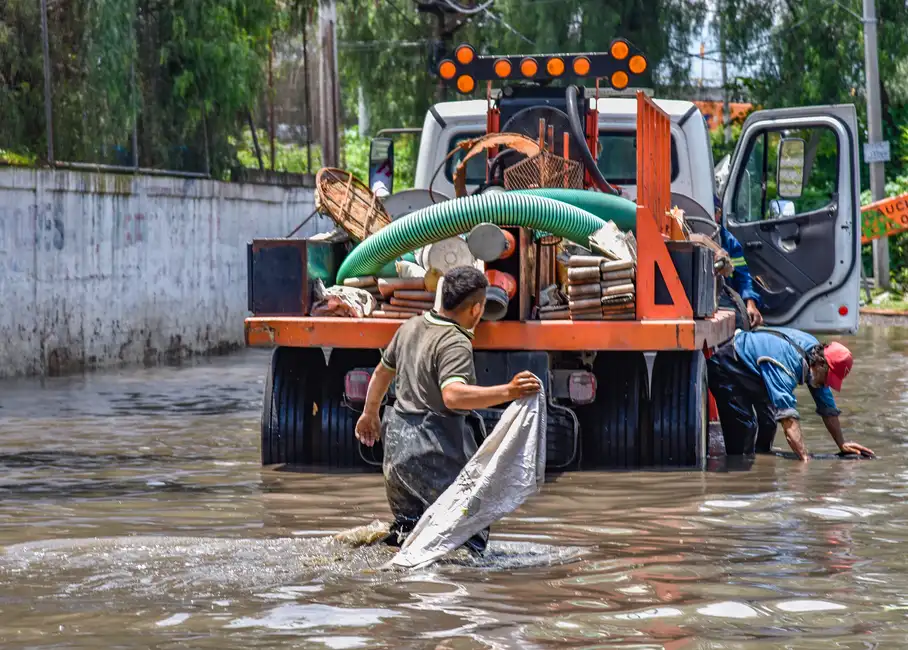 Basement Water RemovalA burst pipe often dumps its water straight into the basement. We extract standing water, dry the slab and block walls, and check the sump pit before we leave. Most Illinois basements dry in two to three days with our equipment.Explore →
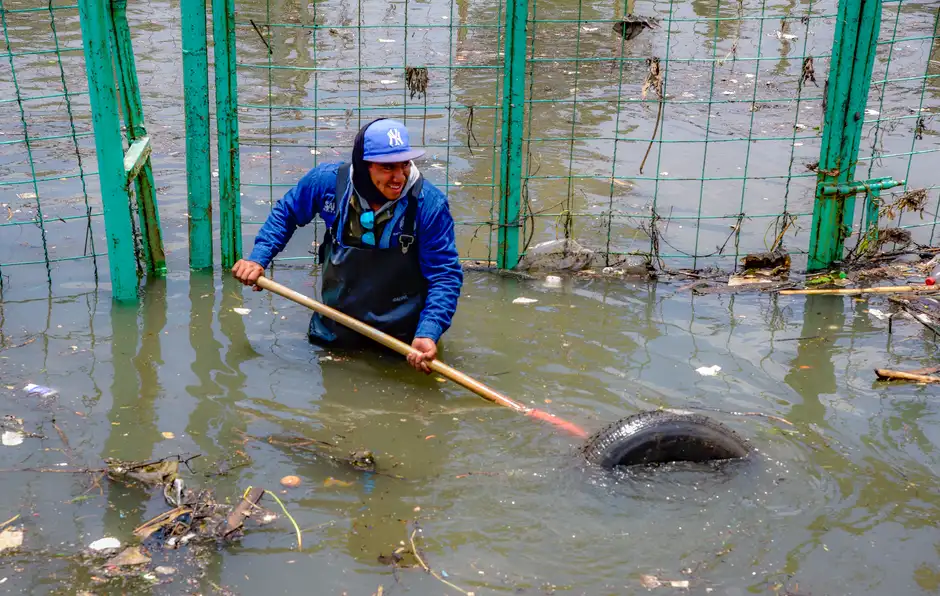 Flood Water RemovalWhen a frozen pipe release turns into a full flood event, we scale up with additional extractors and dehumidifiers. We handle contaminated water separately and apply antimicrobial spray to affected surfaces.Explore →
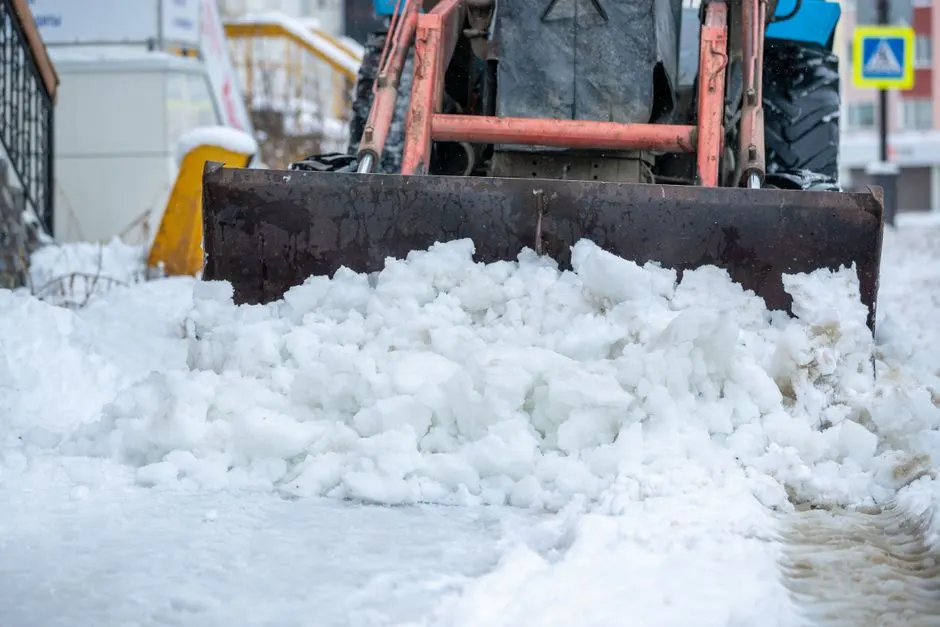 Storm Water RemovalIllinois winter storms bring freeze-thaw cycles that crack pipes and push water through foundations. We handle both at once, extracting storm water intrusion and drying the frozen pipe damage in the same visit.Explore →
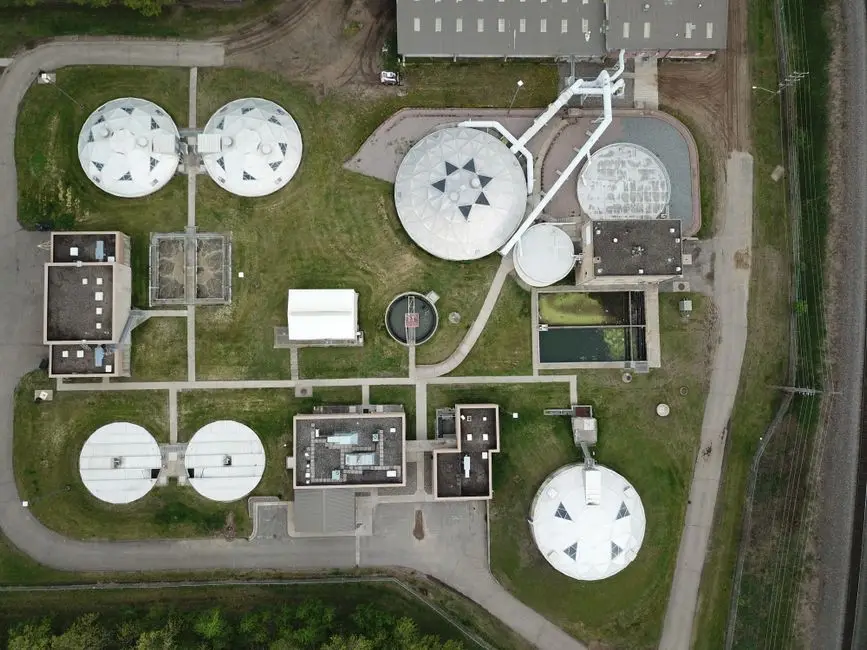 Sewage Water RemovalA frozen line can back up a sewer lateral and push sewage into a basement. We treat that as Category 3 water, remove affected materials, and apply IICRC AMRT-level remediation before drying.Explore →
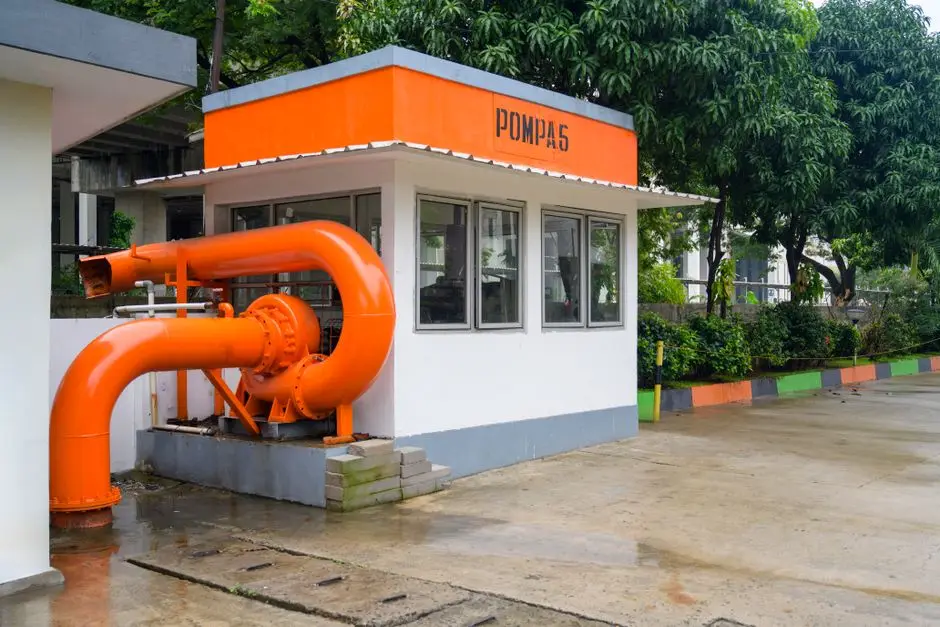 Sump Pump Failure Water RemovalFrozen discharge lines are a common cause of sump pump failure. We thaw the line, extract the flooded water, and test the sump pump float switch and check valve before we leave.Explore →
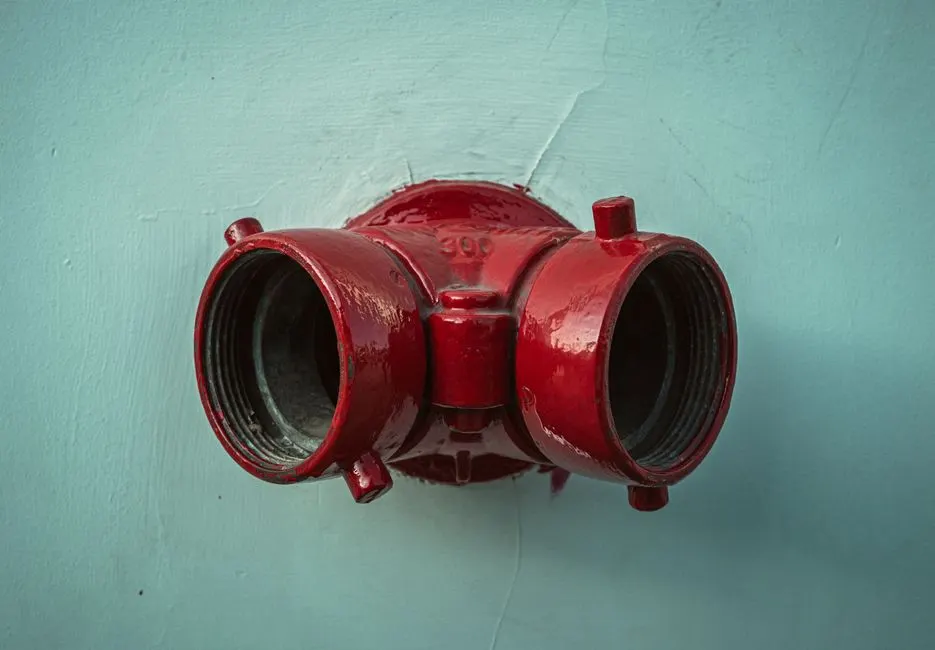 Burst Pipe Water RemovalThe burst pipe is the source; the water is the damage. We handle both, shutting the main, repairing the split, and extracting every gallon that escaped into walls, ceilings, and floors.Explore →
 Standing Water RemovalStanding water in a basement or crawl space is a mold clock. We pull it with a truck-mounted water extractor and start drying the same day, usually within an hour of arrival.Explore →
 Crawl Space Water RemovalIllinois crawl spaces freeze first and dry slowest. We use portable extraction units, air movers, and dehumidifiers sized for tight spaces, then check the vapor barrier and insulation before closing up.Explore →
Water is still moving. Every hour you wait gives mold a head start and pushes the repair bill higher. Call (833) 640-1438 and a live dispatcher will send the nearest Illinois crew. Licensed, insured, and answering 24/7.
Call (833) 640-1438 (833) 640-1438 →Call (833) 640-1438 and a live dispatcher picks up, 24 hours a day, every day of the year. Tell us what happened, where you are in Illinois, and we will give you an ETA and a few things to do right now while you wait. Most crews arrive within 60 minutes.