Sump pump fails during a spring storm
We extract with a truck-mounted unit, remove saturated pad, dry the walls and floor, and replace the failed pump, float switch, and check valve. Most basements are dry in three to four days.
Standing Water Removal in Illinois means getting the water out fast, then drying the structure so mold never gets a foothold. We run truck-mounted extractors, air movers and dehumidifiers into basements, crawl spaces and commercial floors from Elgin to Oswego. Whether it is a failed sump pump at 2 a.m. or storm water backing in through a floor drain, we pump it, dry it, and document it for your insurance claim.

Standing Water Removal in Illinois is the process of pumping, extracting, and drying trapped water from a structure before it damages the building or grows mold. It starts with locating the source, then pulling water with a truck-mounted water extractor or a portable extraction unit where a truck cannot reach. After the water is gone, we set air movers and dehumidifiers, track moisture with a moisture meter and thermal imaging camera, and keep drying until the readings match a dry standard.
Illinois homes deal with this constantly. Sump pump failure during a spring storm, a burst pipe behind a kitchen wall, sewage backup after heavy rain, or hydrostatic pressure seepage through a block foundation all leave water where it should not be. Our crews handle Illinois standing water extraction in single-family homes, duplexes, condos, and commercial buildings, and we work directly with your adjuster so the claim does not stall.
Every job includes the full extraction and drying package, not just a pump-and-go. What varies is the scope: how much material has to come out, whether the water is contaminated, and how long drying takes. Here is what is standard on a standing water call.
We find where the water is coming from before we start extracting. That means checking the sump pit, supply lines, appliance connections, and foundation walls, then shutting the water main or isolating the failed component so the room stops refilling while we work.
Truck-mounted extraction for volume, portable units for crawl spaces and closets, and a submersible pump for anything over a few inches deep. We extract from carpet, hardwood, tile, and concrete, and pull water out of wall cavities where it has traveled.
Air movers and commercial dehumidifiers positioned by room and material type, with daily moisture meter and thermal imaging readings. We keep equipment running until the structure hits dry standard, which is typically two to five days depending on materials.
Affected framing, baseboards, and cavity surfaces get antimicrobial spray after extraction and drying. On contaminated losses like sewage backup, our IICRC AMRT certified techs handle remediation per Illinois Department of Public Health remediation guidelines.
Saturated carpet pad, swollen particleboard, and unsalvageable drywall come out. We bag and haul it, then photograph everything before disposal so your adjuster has a clear record of what was removed and why.
Photos, moisture logs, a written scope, and a final drying report. We bill most carriers directly and can talk to your adjuster in the language they use, which keeps the claim moving instead of sitting in a queue for weeks.
You call (833) 640-1438 and we dispatch a crew, day or night. We ask what flooded, how deep it is, and whether the water is clean or contaminated, because that decides the equipment list. Typical arrival is 60 to 90 minutes across most of our Illinois service area.
Before we pull a drop of water, we stop more from coming in. That means shutting the water main with a water main shutoff tool, resetting or replacing a failed sump pump float switch, or tarping a roof leak. Skipping this step is why some basements flood twice in one week.
We run a truck-mounted water extractor for large volumes and a portable extraction unit for tight spaces like crawl spaces and closets. Deep water gets a submersible sump pump or a Wayne or Zoeller transfer pump first. Most residential extractions take two to four hours.
We set Dri-Eaz and Phoenix air movers plus commercial dehumidifiers, then check readings daily with a moisture meter and infrared thermometer. Carpet and pad usually dry in two to three days; drywall and hardwood take three to five. We do not pull equipment until the numbers say dry.
Affected surfaces get antimicrobial spray, and we remove any material that cannot be saved, like saturated carpet pad or swollen particleboard. You get a final moisture report, photos, and a written scope for your insurance claim before we leave the property.
Purpose-built equipment, used by trained technicians — so the job is done accurately the first time.
Used for high-volume extraction in basements, commercial floors, and any job where hundreds of gallons need to come out fast. It pulls water through a hose run from the truck, so we are not hauling portable tanks in and out.
Goes where the truck hose cannot reach, including crawl spaces, closets, upper floors, and tight utility rooms. It handles smaller volumes and finishes the detail work after the truck unit has pulled the bulk.
First tool in the water when a basement has more than a few inches. We use Wayne, Zoeller, and Liberty Pumps units to drop the water level fast enough that extraction equipment can actually be effective.
Positioned by room and material to drive evaporation off wet surfaces. Air movement is what turns a five-day dry-out into a three-day one, and it is the difference between saving and replacing hardwood.
Pull moisture out of the air so evaporated water does not just re-condense on cool surfaces. We size units to the cubic footage and keep them running until moisture readings hit dry standard.
Used together to find water you cannot see. The thermal camera shows temperature differences behind walls, and the moisture meter confirms whether a material is actually wet or already dry.
Lets us look inside wall cavities and under floors without tearing everything open. We use it to confirm framing is dry before closing a wall and to find the source of a leak that is not visible from the surface.
A failed sump pump left three inches of water across an 800-square-foot finished basement. Carpet, pad, and the bottom 18 inches of drywall were saturated, and the homeowner found it the next morning.
We extracted in under three hours, removed the pad and lower drywall, and ran air movers and dehumidifiers for four days. Final moisture readings were at dry standard, and the basement was rebuilt with new pad and paint.
A copper supply line split inside an exterior wall during a January cold snap. Water ran behind the drywall for hours before it showed on the ceiling below, soaking insulation and framing.
We thawed and repaired the line, opened the wall, extracted the water, and dried the cavity over three days. A bore scope confirmed the framing was dry before the wall was closed and painted.
A municipal backup pushed sewage through a floor drain into a 1,200-square-foot commercial space over a weekend. Carpet tile and the bottom of the drywall were contaminated Category 3 water.
Our AMRT certified crew removed contaminated materials, extracted, disinfected, and dried the space in five days. Post-remediation moisture readings were clean and the tenant reopened the following Monday.
Standing water is rarely just a wet floor. It is a countdown. Every hour it sits, the repair scope grows and the odds of mold climb. Here are the calls we get most often and what happens when they are handled fast.
Ask a pro →We extract with a truck-mounted unit, remove saturated pad, dry the walls and floor, and replace the failed pump, float switch, and check valve. Most basements are dry in three to four days.
We thaw the line with a pipe thawing machine, repair the split, then open the wall, extract, and dry the cavity. A bore scope inspection camera confirms the framing is dry before we close it up.
Our AMRT certified techs extract, remove contaminated materials, disinfect surfaces, and verify with moisture readings. We follow Illinois Department of Public Health remediation guidelines on every sewage loss.
We extract and dry, then address the cause with a waterproofing membrane, sump pit liner, and backwater valve so the next storm does not put water back on the floor.
“Our sump pump died during a storm and we had three inches across the whole basement. They showed up in about an hour, pumped it out, and had air movers and dehumidifiers running before midnight. Four days of monitoring and the moisture meter readings were back to normal. Insurance covered it and they handled the paperwork.”
Dan R.Homeowner, Elgin
✓ Verified“A supply line let go in one of our units and water ran into the unit below. The crew extracted both floors, cut out the wet pad, and dried the ceilings without tearing out more than they had to. They documented everything with photos and moisture readings, which made the claim easy. Tenants were back in four days.”
Priya M.Property Manager, Gurnee
✓ Verified“Frozen pipe split in the wall above our laundry room in January. They thawed the line, repaired it, then extracted the water and dried the wall cavity. What I appreciated was that they told me the price before starting and it matched the invoice. No surprise charges at 1 a.m.”
Tom K.Homeowner, Oswego
✓ VerifiedMost residential jobs run $500 to $3,500, with the average basement extraction and dry-out landing near $1,800. Small jobs, like a utility room with an inch of water, can come in under $600. Larger losses with contaminated water, hardwood floors, or more than 1,000 square feet of affected area push higher. Insurance usually covers the bulk of it when the cause is a sudden event like a burst pipe or sump pump failure.
We do, across the northern Illinois region from Aurora and Elgin to Gurnee, Zion and Oswego. Call (833) 640-1438 and we dispatch the nearest crew, typically arriving in 60 to 90 minutes. If you are outside our direct coverage, we will tell you on the phone rather than leave you waiting.
Mold can begin colonizing wet drywall and carpet in 24 to 48 hours, and structural wood starts swelling and warping in that same window. Carpet pad delaminates in under 24 hours. After 72 hours, expect microbial growth and the need for full remediation rather than simple extraction. That is why we treat every standing water call as an emergency, not a next-week appointment.
Yes, in most cases, when the water came from a sudden event like a burst pipe, failed sump pump, or appliance leak. Standard homeowners policies typically exclude long-term seepage, groundwater flooding, and neglected maintenance. We document the loss with photos, moisture readings, and a written scope, then bill your carrier directly so you are not paying out of pocket and waiting on reimbursement.
Our crews cover a wide band of northern Illinois, from the Fox River Valley through Lake County and into Will County. Every city below gets the same equipment, the same certified technicians, and the same documentation standard. If you are searching for standing water extraction services Illinois wide, call (833) 640-1438 and we will confirm coverage and arrival time.
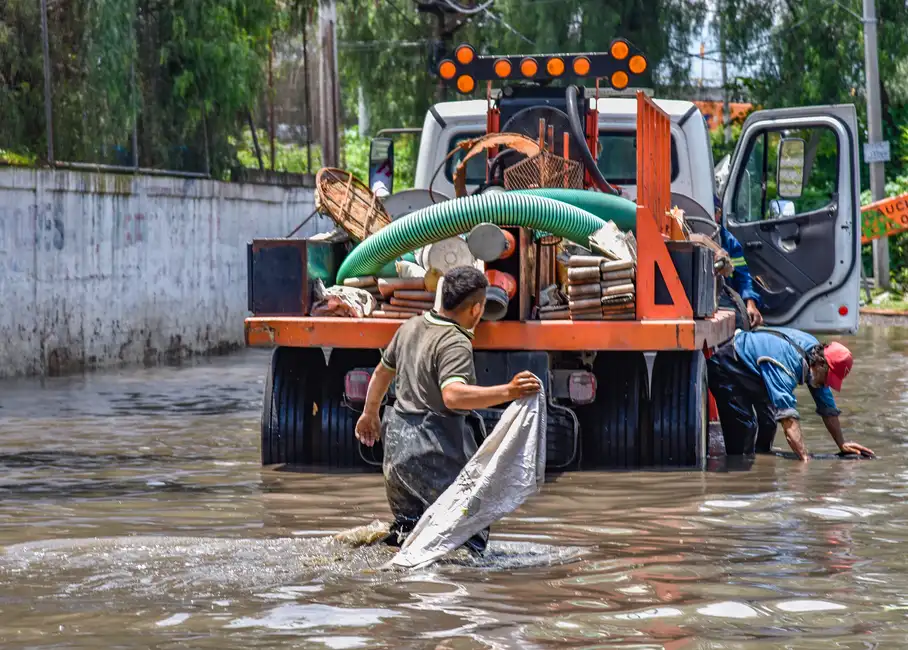 Basement Water RemovalMost standing water calls in Illinois start in the basement. We pump it, extract the carpet and pad, and dry the block or poured walls so the space is usable again. If hydrostatic pressure is the cause, we also recommend a waterproofing membrane and backwater valve.Explore →
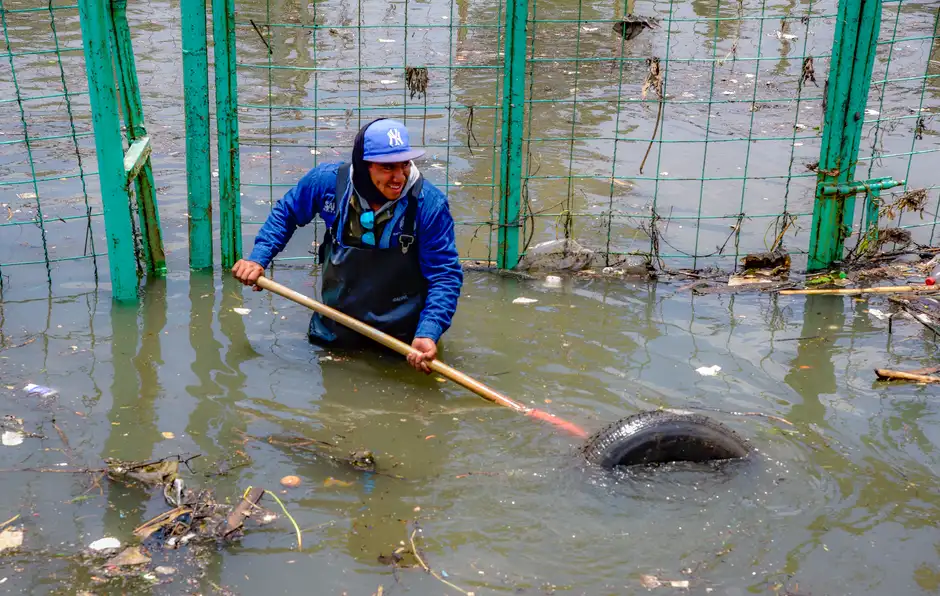 Flood Water RemovalFlood water is contaminated water, so it needs more than a pump. We extract, remove unsalvageable materials, and apply antimicrobial spray per Illinois Department of Public Health remediation guidelines. Our AMRT-certified techs handle the remediation side.Explore →
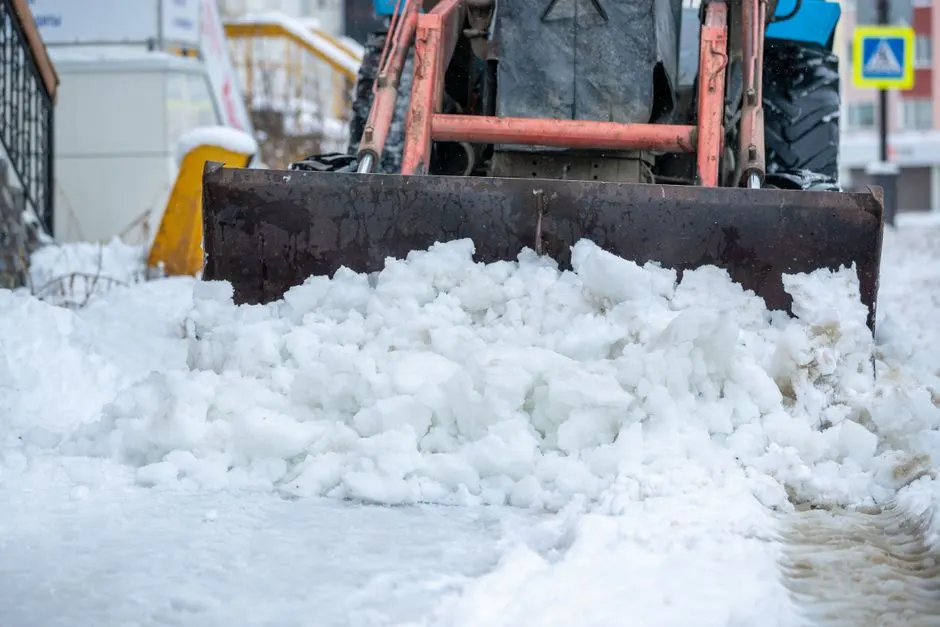 Storm Water RemovalSpring and summer storms push water through window wells, floor drains and foundation cracks across Illinois. We extract fast, then check your sump pit liner and check valve so the next storm does not flood the same room twice.Explore →
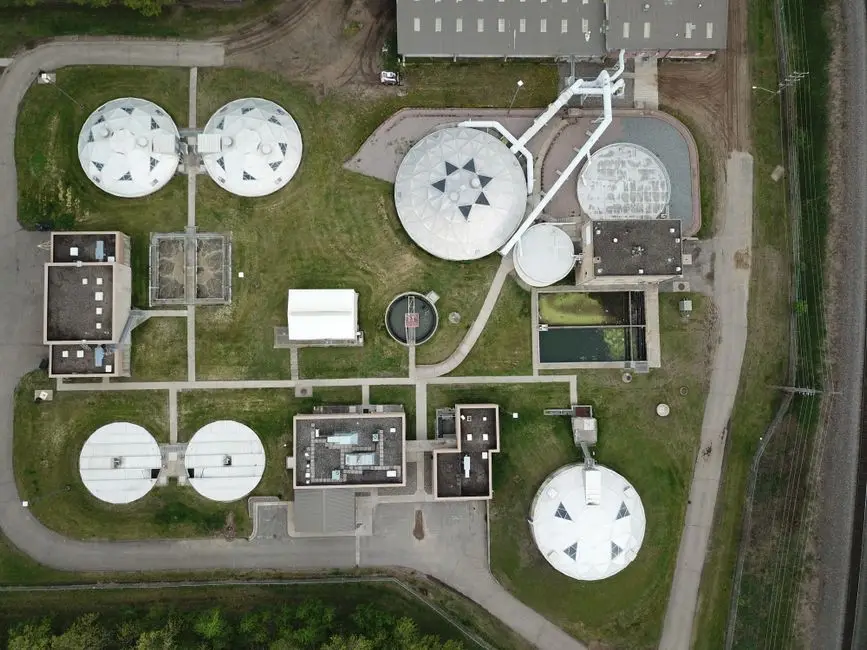 Sewage Water RemovalSewage backup is a Category 3 loss and requires full protective gear, extraction, and disinfection. We haul out contaminated materials, sanitize the cavity, and verify with a moisture meter before any rebuild begins. Do not run a shop vac on this one.Explore →
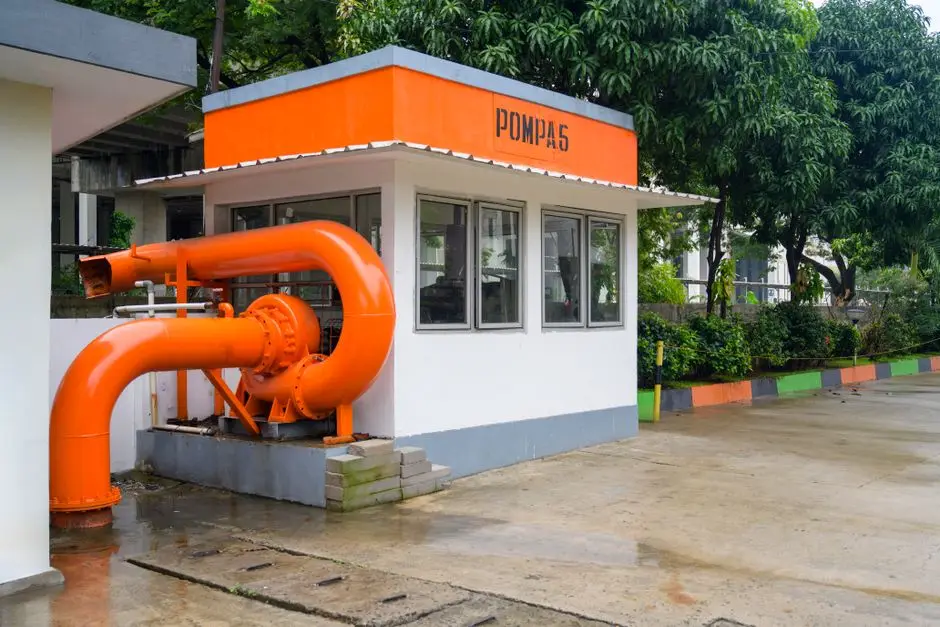 Sump Pump Failure Water RemovalA dead float switch or burned-out Zoeller or Liberty Pumps unit can dump hundreds of gallons into a basement overnight. We extract, dry, and replace the failed pump, check valve, and float switch so the system actually works next time.Explore →
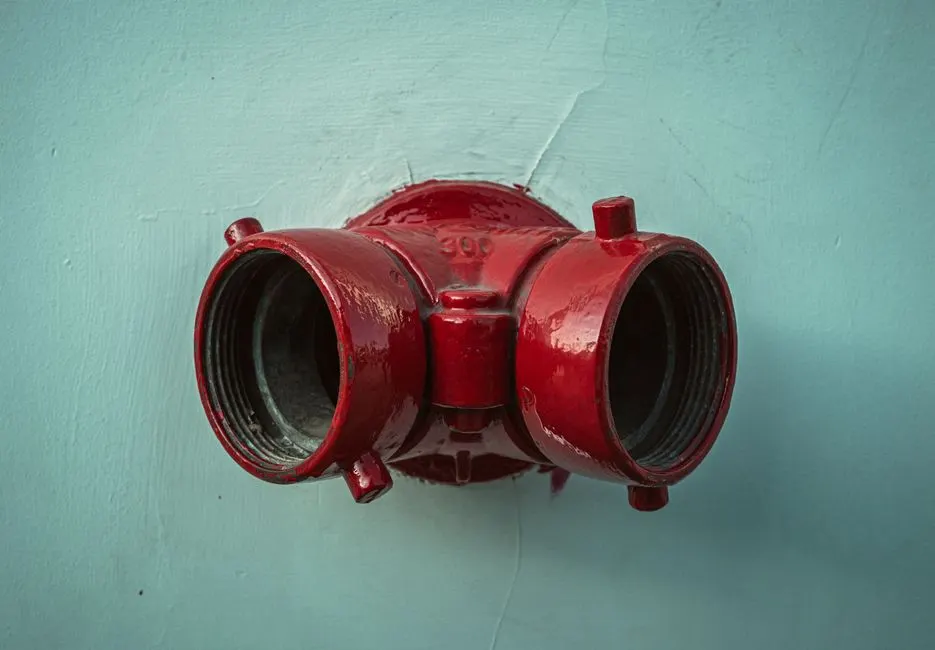 Burst Pipe Water RemovalA burst copper or PEX line can push 10 gallons a minute into a wall cavity. We shut the main, extract the water, open the wall to dry the framing, and repair the line with a licensed plumbing contractor on staff.Explore →
 Frozen Pipe Water RemovalIllinois winters crack pipes in unheated crawl spaces and exterior walls. We thaw with a pipe thawing machine, repair the split, then extract and dry the water that already escaped. Most of these calls come in between December and March.Explore →
 Crawl Space Water RemovalCrawl spaces hold moisture long after the visible water is gone, which feeds mold and rots floor joists. We extract with a portable unit, dry with air movers, and lay plastic sheeting as a vapor barrier to keep the space dry.Explore →
Water sitting on a floor gets more expensive every hour. Call (833) 640-1438 and we will dispatch a crew with extraction and drying equipment, usually arriving within 60 to 90 minutes. Licensed, insured, and billing most insurance carriers directly.
Call Now (833) 640-1438 →Call (833) 640-1438 and a live dispatcher picks up, 24 hours a day, every day of the year. Tell us what happened, where you are in Illinois, and we will give you an ETA and a few things to do right now while you wait. Most crews arrive within 60 minutes.