Fast extraction, structural drying, and moisture control across the state

Crawl Space Water Removal in Illinois done right the first time

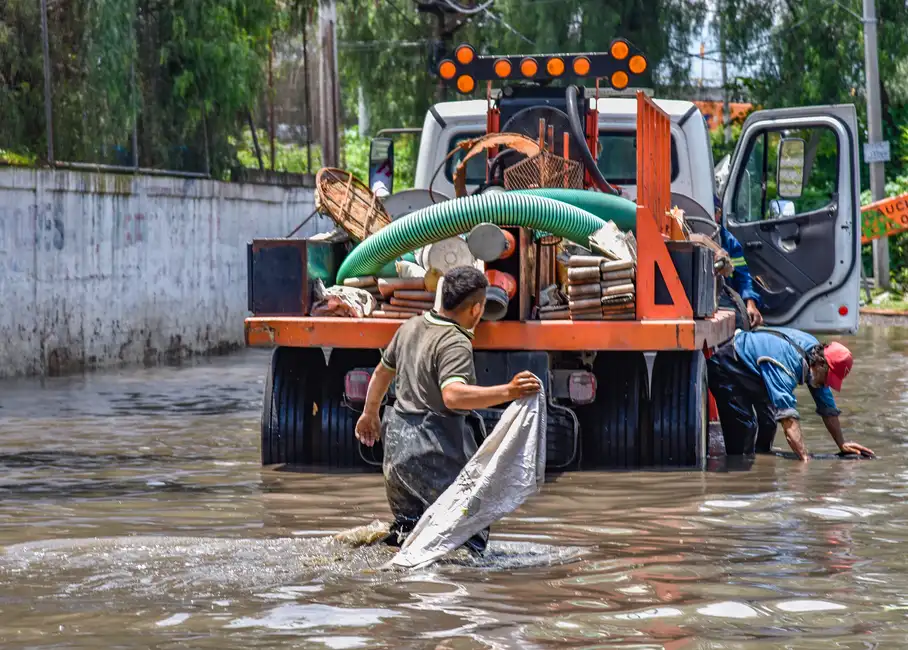
Crawl Space Water Removal in Illinois means pulling standing water out of the tightest, dirtiest space in your home before rot and mold take hold. Our IICRC-certified crews run truck-mounted extractors, air movers, and dehumidifiers in Geneva, Joliet, Highland Park, and everywhere between. We've handled Illinois crawl space water extraction since 2014, and we answer the phone at 2 a.m. when a sump pump quits.

↗
Fast online booking

Request service today

Tell us what is happening. Our local team will confirm your visit shortly.

No spam. No obligation. Just practical help.
Thanks — we'll call shortly to confirm your visit.
IL Water Remover Pros — Water Removal you can rely on
Careful work. Honest options.
About this service

What Crawl Space Water Removal in Illinois actually involves

Crawl Space Water Removal in Illinois is the process of extracting standing water from the shallow space under your home, then drying the joists, subfloor, insulation, and vapor barrier so the structure stops absorbing moisture. It is not a shop vac job. We use truck-mounted water extractors, submersible sump pumps, and portable extraction units to pull hundreds of gallons out of spaces as short as 18 inches, then set air movers and dehumidifiers to dry the framing to IICRC S500 standards.

Illinois homeowners call us for the same handful of reasons: a sump pump float switch that stuck, a burst pipe behind the kitchen wall, storm water intrusion after a spring downpour, or hydrostatic pressure seepage that never seems to stop. Left alone, a wet crawl space grows mold in 24 to 48 hours and rots floor joists within a season. That is why we treat every call as emergency crawl space water removal in Illinois, not a next-week appointment.

  • ✓ Water out same day
  • ✓ Drying done to standard
  • ✓ Mold stopped early
  • ✓ Insurance-ready documentation
What's included

What our crawl space water removal includes

Every job starts with a full inspection and ends with a dry, documented crawl space. Here is what is covered as standard, and what we quote separately if your situation calls for it, like mold remediation or a new sump system.

✓

Full crawl space inspection

We go under with a moisture meter, infrared thermometer, and bore scope inspection camera to map the wet zone and find the source. You get photos and a plain-English explanation of what we found.

✓

Standing water extraction

Truck-mounted water extractors handle the volume. In tight runs we drop a submersible sump pump or run a portable extraction unit. Most residential crawl spaces are clear within two to four hours.

✓

Structural drying setup

Air movers and dehumidifiers sized to your cubic footage, positioned to dry joists, subfloor, and framing. Equipment runs 3 to 5 days with daily monitoring until the space hits dry standard.

✓

Antimicrobial treatment

Where mold risk is high or growth is confirmed, we apply antimicrobial spray to affected framing and insulation. Our AMRT-certified techs follow Illinois Department of Public Health remediation guidelines.

✓

Vapor barrier and insulation reset

We pull back wet plastic sheeting, replace saturated insulation, and reset the vapor barrier so ground moisture stops feeding the problem. This is often the difference between a one-time fix and a yearly call.

✓

Insurance documentation package

Photos of the source, daily moisture logs, and a written scope formatted for adjusters. We have been doing this since 2014 and know what claims reviewers look for.

How it works

How our crawl space water removal process works

01

Call and triage

You call (833) 640-1438 and talk to a real person, not a call center. We ask where the water is coming from, how deep it is, and whether the power is safe. That determines whether we roll a truck immediately or schedule a same-day crawl space water extraction window.

02

Inspection and source ID

On arrival we suit up and go under. A moisture meter and infrared thermometer map the wet zone, and a bore scope inspection camera checks behind the vapor barrier. We find the source, whether that is a failed sump pump check valve, a slab leak, or storm water intrusion through the foundation.

03

Extraction

Truck-mounted water extractors handle the bulk volume. In tight runs where the hose cannot reach, we drop a submersible sump pump or run a portable extraction unit. A 6-inch-deep crawl space on a 1,200-square-foot home typically takes two to four hours to clear.

04

Drying and dehumidification

We set air movers and Dri-Eaz or Phoenix Restoration Equipment dehumidifiers sized to the cubic footage. Expect the equipment to run 3 to 5 days. We come back daily to log readings and adjust placement until the space hits dry standard.

05

Treatment and handoff

Once dry, we apply antimicrobial spray where needed, replace damaged insulation, and reset or repair the vapor barrier. You get a written summary with moisture readings, photos, and any recommendations for a backwater valve or sump pit liner to prevent a repeat.

Tools & methods

Tools and methods we use

Purpose-built equipment, used by trained technicians — so the job is done accurately the first time.

Truck-mounted water extractor

Pulls hundreds of gallons of standing water out of a crawl space fast. This is the workhorse on any job with more than an inch of water.

Submersible sump pump

Used in tight runs where the truck hose cannot reach. We drop it into the low point and pump to a discharge point outside the foundation.

Dri-Eaz and Phoenix Restoration Equipment dehumidifiers

Sized to your crawl space cubic footage and run for 3 to 5 days to pull moisture out of the air and framing after extraction.

Moisture meter and thermal imaging camera

Maps the wet zone and confirms when the framing has reached dry standard. We log readings daily so you can see the progress.

Bore scope inspection camera

Lets us see behind the vapor barrier and inside wall cavities without cutting open the structure. Essential for finding hidden leaks.

Air movers

High-velocity fans that keep air moving across wet joists and subfloor so the dehumidifiers can do their job. Placement matters more than count.

Real results

Before and after.

Sump failure in a Geneva ranch

Before

A Zoeller sump pump failed during an April storm, leaving 5 inches of standing water across a 900-square-foot crawl space. Insulation was saturated and the vapor barrier was floating.

After

Water extracted in under three hours. Drying equipment ran for four days. Moisture readings dropped from 28 percent to 11 percent on the joists. Insulation replaced and vapor barrier reset.

Frozen pipe under a Joliet duplex

Before

A copper supply line froze and split in January, dumping water into a 600-square-foot crawl space overnight. The tenant noticed a musty smell two days later.

After

Pipe repaired with PEX, water extracted, and the space dried in three days. Antimicrobial spray applied to two joists showing early mold growth. Moisture readings back to dry standard.

Storm water intrusion in Channahon

Before

Heavy spring rain pushed water through the foundation of a newer build, leaving 2 inches of water and soaked insulation across a 1,200-square-foot crawl space.

After

Water extracted same day. Drying completed in four days with two Dri-Eaz dehumidifiers and six air movers. Insulation replaced and a backwater valve installed to prevent a repeat.

Problems we solve

Crawl space problems we solve in Illinois

Most crawl space water problems trace back to one of a handful of causes. We diagnose the source, fix it, and dry the space so you are not calling us again next spring for the same issue.

Ask a pro →
01

Sump pump failure during a storm

We extract the standing water, dry the framing to S500 standard, and can replace the pump, check valve, and pit liner before we leave. If your pump is a Zoeller or Wayne unit that is under 10 years old, we can often repair rather than replace.

↗
02

Hydrostatic pressure seepage through the foundation

We extract and dry, then recommend a waterproofing membrane or interior drainage to relieve the pressure. In Illinois clay soils, this is one of the most common causes of a permanently wet crawl space.

↗
03

Burst or frozen pipe under the house

We shut off the supply, extract the water, dry the structure, and repair or replace the failed section. We also add pipe insulation or heat tape so the next Illinois cold snap does not repeat the problem.

↗
04

Storm water intrusion after heavy rain

We extract and dry after the storm, then check grading, downspout routing, and whether a backwater valve would keep the next storm out. Same-day crawl space water extraction is available for active storms.

↗
Proof you can check

Licensed, certified, and insured in Illinois

✓
IICRC WRT (Water Damage Restoration Technician)Institute of Inspection, Cleaning and Restoration Certification
✓
IICRC ASD (Applied Structural Drying)Institute of Inspection, Cleaning and Restoration Certification
✓
IICRC AMRT (Applied Microbial Remediation Technician)Institute of Inspection, Cleaning and Restoration Certification
✓
Illinois Plumbing LicenseIllinois Department of Financial and Professional Regulation
✓
EPA Lead-Safe CertificationU.S. Environmental Protection Agency
Customer reviews

What Illinois homeowners say

★★★★★
“Our sump pump died during a storm and we had 4 inches of water under the house by morning. They were out by 7 a.m., had the water gone in about two hours, and left dehumidifiers running for four days. The moisture readings they gave us matched what our insurance adjuster wanted. No drama, no upsell.”
DR

Dave R.Homeowner, Geneva

✓ Verified
★★★★★
“I manage several rentals and have used these guys three times now. Every time the price they quoted on the phone was the price on the invoice. They dried a crawl space at one of my duplexes in four days and sent me daily photos. That is rare in this business.”
TB

Tom B.Property Manager, Joliet

✓ Verified
Good questions

Questions Illinois homeowners ask us

(833) 640-1438 →

Most crawl space water removal jobs in Illinois run $450 to $2,800 in 2026. A shallow extraction with no mold and a small footprint sits near the low end. Deeper water, larger square footage, mold treatment, or insulation replacement pushes toward the top. We give you a firm number before we start, and we tell you what would move it up or down.

We do, across the northern half of the state. IL Water Remover Pros runs crews out of the Chicago suburbs and covers Geneva, Joliet, Highland Park, Mundelein, Addison, Channahon, Fox River Grove, Wasco, Millbrook, Peotone, and the surrounding towns. Call (833) 640-1438 and we will confirm coverage and a window in one call.

Usually one of three things: a sump pump that cycles but never fully drains the pit, a failed vapor barrier letting ground moisture rise, or hydrostatic pressure seepage pushing water through the foundation. Illinois clay soils and high spring water tables make all three common. We diagnose the source during the inspection instead of guessing.

Often yes, if the water came from a burst pipe, appliance failure, or storm intrusion. Long-term seepage and neglected maintenance are usually excluded. We photograph the source, log moisture readings, and write a scope that matches what adjusters expect, which gives your claim the best shot at approval.

Where we deliver this service

Crawl space water removal in these Illinois cities

We deliver crawl space water extraction services Illinois homeowners rely on across the northern half of the state. From the Fox River Valley to the Will County towns and up through Lake County, our crews know the local housing stock, the soil, and the storm patterns that cause crawl space flooding.

GenevaOlder homes near the Fox River often have stone foundations and no vapor barrier. We handle hydrostatic seepage and sump failures here regularly.View area →WascoRural and semi-rural properties around Wasco often have deep crawl spaces with poor access. We bring portable extraction units and compact drying equipment.View area →Highland ParkNorth Shore homes with additions often hide crawl spaces under the new footprint. We trace roof leaks and burst pipes that travel into these spaces.View area →MundeleinA mix of older and newer builds. Storm water intrusion is the most common call here, especially after heavy spring rains.View area →AddisonDuPage County homes with shallow crawl spaces and aging sump systems. We replace failed pumps and dry the space in the same visit.View area →ChannahonNewer construction near the Des Plaines River. We see storm water intrusion and high water table issues after spring storms.View area →Fox River GroveHomes close to the Fox River deal with flood water and hydrostatic pressure. We extract, dry, and recommend drainage fixes.View area →JolietPost-war ranches and newer builds. Older homes here tend to have shallow crawl spaces that need compact equipment and careful access.View area →MillbrookRural properties with deep crawl spaces and well systems. Frozen pipe calls are common here in January and February.View area →PeotoneWill County homes on the edge of our service area. We cover sump failures, storm intrusion, and frozen pipe calls year-round.View area →
Ready when you are

Get crawl space water removal in Illinois started now

Water under your house gets worse every hour. Call (833) 640-1438 and we will dispatch a crew, give you a firm price, and get the space dry. We have been doing this since 2014, and we answer the phone 24/7.

Call Now (833) 640-1438 →
Request an appointment

Call IL Water Remover Pros

Call (833) 640-1438 and a live dispatcher picks up, 24 hours a day, every day of the year. Tell us what happened, where you are in Illinois, and we will give you an ETA and a few things to do right now while you wait. Most crews arrive within 60 minutes.

Request received — our team will be in touch shortly.
Tap to call(833) 640-1438