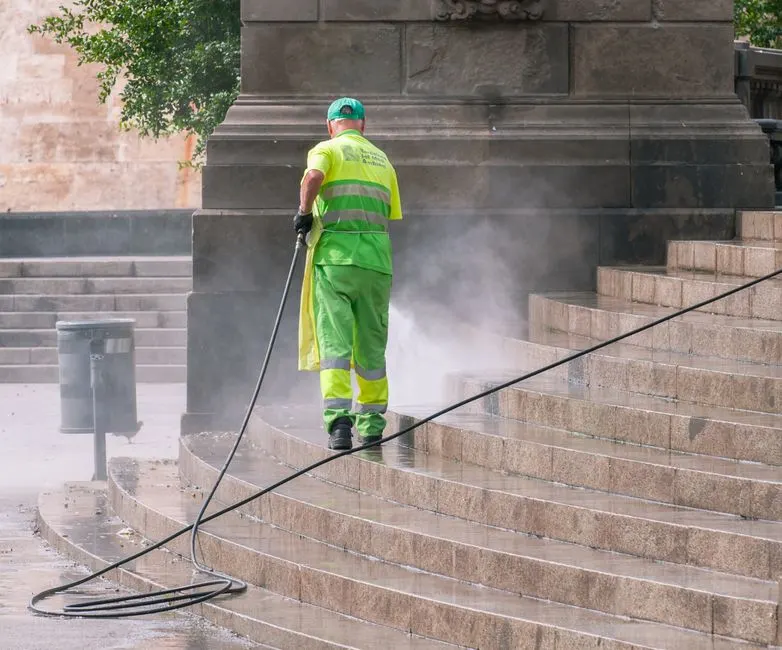
24/7 emergency response for flooded basements and standing water

Storm Water Removal in Illinois Done Right the First Time

Storm Water Removal in Illinois means getting the water out fast, before it ruins your floors, walls, and foundation. We handle storm water extraction in Illinois for homeowners and businesses dealing with flooded basements, failed sump pumps, and backed-up drains after heavy rain. Our crews run 24/7, arrive with truck-mounted extractors, and pull standing water down to the concrete so drying can start the same day.

↗
Fast online booking

Request service today

Tell us what is happening. Our local team will confirm your visit shortly.

No spam. No obligation. Just practical help.
Thanks — we'll call shortly to confirm your visit.
IL Water Remover Pros — your local Water Removal team
Careful work. Honest options.
About this service

What Storm Water Removal in Illinois Actually Involves

Storm Water Removal in Illinois is the process of extracting standing water, storm water intrusion, and saturated debris from a structure after heavy rain, snowmelt, or a failed sump pump. It starts with a moisture meter and thermal imaging camera to map how far the water has spread, then moves to truck-mounted water extractors and submersible sump pumps to pull the bulk of it out. From there, air movers and dehumidifiers dry the framing, drywall, and subfloor to ANSI/IICRC S500 standards so mold does not take hold.

Illinois storm water extraction is not a shop-vac job. A finished basement can hold 500 to 2,000 gallons behind drywall, under carpet pad, and inside wall cavities. We see it every spring and after every summer storm system that stalls over the Fox Valley and Chicagoland. If you are searching for storm water cleanup after heavy rain in Illinois, the clock matters: mold can start colonizing wet drywall in 24 to 48 hours, and warped hardwood starts cupping within a day.

  • ✓ Fast 24/7 Response
  • ✓ IICRC-Trained Technicians
  • ✓ Insurance Documentation
  • ✓ Full Dry-Out, Not Just Pump-Out
What's included

What Our Storm Water Removal Includes

Every storm water removal job includes the full scope from extraction through documented drying. We do not hand you a pump and leave. Here is what is covered on a standard call, and what we quote separately if your situation needs it.

✓

Emergency Water Extraction

Truck-mounted water extractors and portable units pull standing water from carpet, hard flooring, and low spots. We log the volume extracted so your adjuster sees exactly how much water came out.

✓

Moisture Mapping

We use a moisture meter, thermal imaging camera, and infrared thermometer to find hidden water behind baseboards and inside wall cavities. You get a map of wet zones before drying equipment is placed.

✓

Structural Drying

Air movers and dehumidifiers run until the structure reads dry against ANSI/IICRC S500 standards. We return daily to log readings and adjust equipment placement as the wet zones shrink.

✓

Antimicrobial Treatment

After extraction, we apply antimicrobial spray to framing, subfloor, and any surface the water touched. This is standard on storm water and required on sewage backups per Illinois Department of Public Health guidelines.

✓

Debris and Carpet Removal

Saturated carpet, pad, and unsalvageable drywall come out and get hauled away. We bag and dispose of contaminated materials so you are not left with a pile in the driveway.

✓

Insurance Documentation

Photos, moisture readings, extraction logs, and a final drying report are compiled for your claim. We work directly with adjusters so you are not stuck in the middle of the paperwork.

How it works

Our Storm Water Removal Process

01

Emergency Call

You call (833) 640-1438 and describe what you are seeing. We ask about water depth, source, and whether power is still on. A dispatcher sends the nearest crew and gives you a realistic arrival window, usually 60 to 90 minutes anywhere in the Chicago metro and Fox Valley.

02

Inspection and Mapping

On arrival, a technician walks the space with a moisture meter, infrared thermometer, and thermal imaging camera. We find the water line, check behind baseboards with a bore scope inspection camera, and identify whether the source is storm water intrusion, a failed sump pump, or a backed-up drain.

03

Extraction

We pull standing water with a truck-mounted water extractor and portable extraction units for tight spaces. Carpet, pad, and any soaked debris come out. A submersible sump pump handles deeper water in a sump pit or crawl space before the extractor takes over.

04

Drying and Monitoring

Air movers and dehumidifiers go in, positioned to move air across wet surfaces and through wall cavities. We return daily to log moisture readings. Most Illinois basements dry in three to five days; a slab or dense hardwood can take longer.

05

Final Walkthrough

We do not pull equipment until the structure reads dry against the S500 standard. You get a final report with before-and-after readings, photos, and any recommendations for a backwater valve, sump pump check valve, or waterproofing membrane to prevent the next flood.

Tools & methods

Tools and Methods We Use

Purpose-built equipment, used by trained technicians — so the job is done accurately the first time.

Truck-Mounted Water Extractor

Pulls 20 to 100 gallons per minute from carpet and hard floors. The workhorse for any basement with more than an inch of standing water.

Submersible Sump Pump

Drops into a sump pit or crawl space to move deep water fast before the extractor takes over. Wayne, Zoeller, and Liberty Pumps models on every truck.

Dri-Eaz Air Movers and Dehumidifiers

Move air across wet surfaces and pull moisture out of the air. Positioned to dry wall cavities and subfloors to S500 standards.

Thermal Imaging Camera and Moisture Meter

Finds hidden water behind walls and under floors without tearing anything open. Every wet zone gets mapped before drying starts.

Bore Scope Inspection Camera

Looks inside wall cavities to confirm framing is dry before we close up. Catches moisture a meter alone would miss.

Pipe Thawing Machine

Thaws frozen PEX, copper, and PVC lines in unheated crawl spaces and exterior walls during Illinois winters without cutting the pipe.

Antimicrobial Spray

Applied to framing, subfloor, and any surface storm water touched. Standard on Category 3 water and required on sewage backups.

Real results

Before and after.

Crystal Lake Basement After Sump Failure

Before

A failed sump pump left four inches of water across a 1,100 square foot finished basement. Carpet, pad, and the bottom two feet of drywall were soaked, and the homeowner found it at 6 a.m. after an overnight storm.

After

We extracted 380 gallons, removed the carpet and pad, and cut out the wet drywall. Air movers and dehumidifiers ran for four days. Final moisture readings came back at dry standard, and the homeowner's claim covered the full scope.

Lockport Sewage Backup Cleanup

Before

Heavy rain overwhelmed the municipal line and sewage backed up through a basement floor drain. The affected area was roughly 400 square feet, with contaminated water wicking into drywall and a storage room.

After

We treated it as Category 3, extracted the water, removed contaminated drywall and flooring, and disinfected every surface. Drying took five days. Post-remediation readings confirmed the space was clean and dry.

Harvard Crawl Space After Snowmelt

Before

Spring snowmelt sent two inches of water into a 600 square foot crawl space. Floor joists and insulation were saturated, and the house had a musty smell that the owner could not get rid of.

After

We extracted the standing water, removed ruined insulation, and set specialized drying equipment under the house. Joists read dry in four days. A new vapor barrier went down, and the musty smell cleared within a week.

Problems we solve

Storm Water Problems We Solve in Illinois

Storm water finds the weak point in every home. Here are the problems we see most often across Illinois and how we handle each one before it turns into a mold claim.

Ask a pro →
01

Basement flooding after a heavy rain storm

We extract with a truck-mounted water extractor, remove saturated materials, and dry the space with air movers and dehumidifiers. We check the foundation for hydrostatic pressure seepage and recommend a waterproofing membrane if that is the source.

↗
02

Sump pump failure during an overnight storm

We extract the water, dry the space, and can install a new Wayne or Zoeller pump with a fresh check valve and float switch. We also test the discharge line so the next storm does not repeat the failure.

↗
03

Sewage backup through floor drains

We treat it as contaminated, extract with dedicated equipment, remove affected drywall and flooring, and disinfect to Illinois Department of Public Health remediation guidelines. A backwater valve install prevents the next backup.

↗
04

Crawl space moisture after snowmelt

We extract standing water, set specialized drying equipment, and check joists with a moisture meter. A vapor barrier and dehumidifier often go in to keep the space dry year-round.

↗
Proof you can check

Licensed, Certified, and Documented

✓
IICRC WRT (Water Damage Restoration Technician)Institute of Inspection, Cleaning and Restoration Certification
✓
IICRC ASD (Applied Structural Drying)Institute of Inspection, Cleaning and Restoration Certification
✓
IICRC AMRT (Applied Microbial Remediation Technician)Institute of Inspection, Cleaning and Restoration Certification
✓
EPA Lead-Safe CertificationU.S. Environmental Protection Agency
✓
OSHA 10-Hour ConstructionOccupational Safety and Health Administration
Customer reviews

What Illinois Homeowners Say

★★★★★
“Our sump pump died during a July storm and we had four inches of water across the whole basement. IL Water Remover Pros had a truck here in about 75 minutes. They pulled the water, tore out the soaked carpet, and set air movers and a dehumidifier. Five days later everything read dry. The insurance report they gave us was accepted without a single question.”
DR

Dan R.Homeowner, Crystal Lake

✓ Verified
★★★★★
“We manage a 24-unit building and had storm water intrusion in three ground-floor units. IL Water Remover Pros handled all three at once with two trucks. They documented everything for our commercial claim and finished drying in four days. Professional, on time, and no surprise charges on the invoice.”
KS

Kevin S.Property Manager, Buffalo Grove

✓ Verified
Good questions

Frequently Asked Questions About Storm Water Removal in Illinois

(833) 640-1438 →

Most residential storm water removal in Illinois runs $500 to $3,500 in 2026, depending on water volume, square footage, and whether carpet or drywall has to come out. A small basement pump-out with minimal drying can land near $500. A finished basement with 1,500 square feet of wet carpet, pad, and drywall typically runs $2,000 to $3,500. We give you a written scope before we start, and we bill insurance directly when the claim is covered.

IL Water Remover Pros does storm water extraction across Illinois, from Aurora and Elgin to Joliet, Waukegan, and the collar counties. We run 24/7 crews out of the Chicago metro and Fox Valley, so most addresses see a technician within 60 to 90 minutes. Call (833) 640-1438 and we dispatch the nearest truck with a truck-mounted extractor and drying equipment already loaded.

Most Illinois homeowners policies cover sudden storm water intrusion, like a sump pump failure or a backed-up drain, but exclude gradual seepage and surface flooding. Standard HO-3 policies typically cover the extraction and drying; flood zone damage usually needs a separate NFIP policy. We document everything to S500 standards, photograph moisture readings, and work directly with your adjuster so the claim moves.

We can have standing water out of a typical Illinois basement in two to four hours once we are on-site. Arrival is usually 60 to 90 minutes from your call. Bulk extraction with a truck-mounted water extractor moves 20 to 100 gallons per minute, so even a foot of water in a 1,000 square foot basement comes out fast. Full structural drying takes three to five days after that.

Where we deliver this service

Cities We Serve for Storm Water Removal in Illinois

IL Water Remover Pros delivers storm water extraction services in Illinois across the Chicago metro, Fox Valley, and collar counties. From small towns like Big Rock and Maple Park to larger suburbs like Buffalo Grove and Crystal Lake, we run 24/7 crews with truck-mounted extractors and drying equipment staged nearby. If you need storm water removal in your city, call (833) 640-1438 and we dispatch the closest truck.

Big RockBig Rock sits in Kane County where clay soil and older homes mean storm water pools against foundations. We extract and dry basements and crawl spaces here with 24/7 dispatch.View area →Maple ParkMaple Park homes on larger lots deal with runoff from surrounding fields after heavy rain. We handle basement and crawl space extraction and check for hydrostatic pressure seepage.View area →Buffalo GroveBuffalo Grove subdivisions from the 1980s and 1990s have sump systems that fail under heavy storm loads. We extract, dry, and replace failed pumps with Wayne or Zoeller units.View area →Lake BluffLake Bluff's older homes and mature trees mean root-invaded drains and backups after summer storms. We extract the water, clear the mess, and document everything for insurance.View area →Vernon HillsVernon Hills finished basements take on water fast when sump pumps quit. We respond 24/7 with truck-mounted extractors and dry to S500 standards.View area →BloomingdaleBloomingdale's mix of older and newer housing means both block foundation seepage and sump failures. We handle both, plus sewage backups from overwhelmed municipal lines.View area →Crystal LakeCrystal Lake's high water table and lake-area storms push water into crawl spaces and basements. We extract, dry, and install vapor barriers and dehumidifiers to keep it dry.View area →HarvardHarvard homes with century-old clay tile drains back up in a hard rain. We extract the water, handle contaminated backups, and recommend backwater valve installs.View area →LockportLockport's older combined sewers back up during heavy storms. We treat sewage backups as Category 3, extract, disinfect, and dry to Illinois Department of Public Health guidelines.View area →MontgomeryMontgomery's growing subdivisions get tested by the first big storm after move-in. We extract, dry, and check sump pits for undersized pumps that need upgrading.View area →
Ready when you are

Need Storm Water Removal in Illinois Right Now?

Water is not waiting, and neither are we. Call (833) 640-1438 and a live dispatcher sends the nearest crew with a truck-mounted extractor and drying equipment. We answer 24/7, every day of the year, and we give you a written scope before we start.

Call Now (833) 640-1438 →
Request an appointment

Call IL Water Remover Pros

Call (833) 640-1438 and a live dispatcher picks up, 24 hours a day, every day of the year. Tell us what happened, where you are in Illinois, and we will give you an ETA and a few things to do right now while you wait. Most crews arrive within 60 minutes.

Request received — our team will be in touch shortly.
Tap to call(833) 640-1438