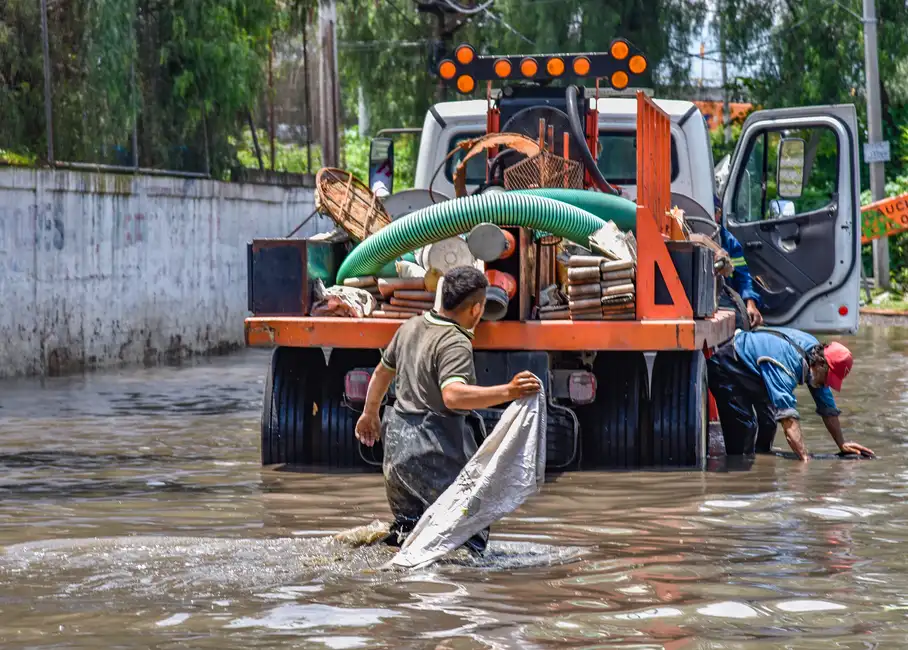
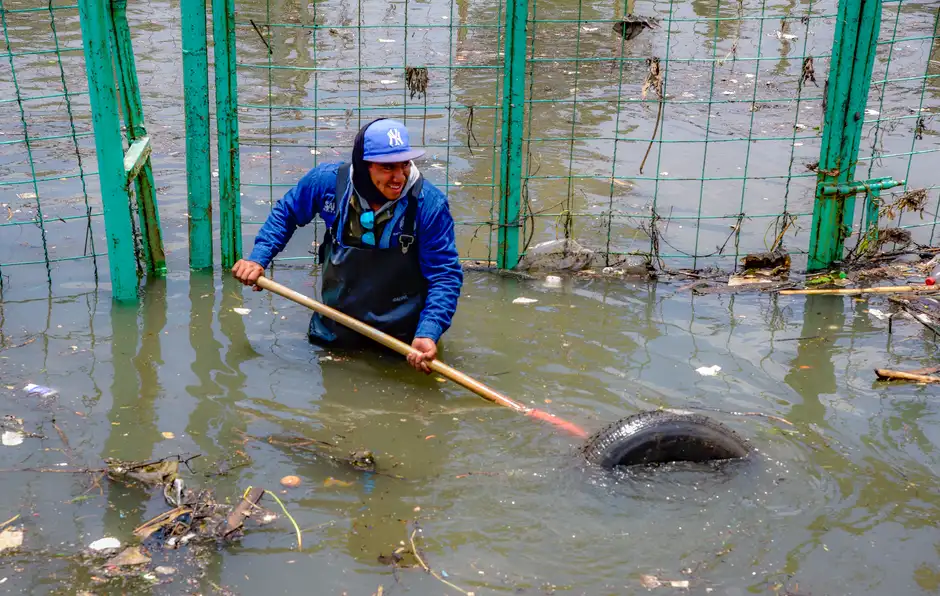
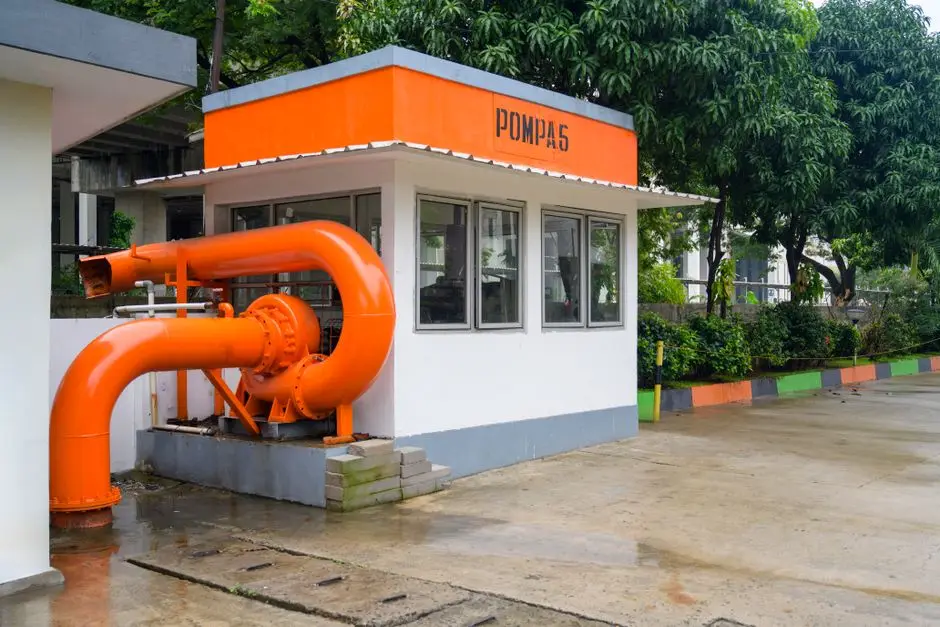
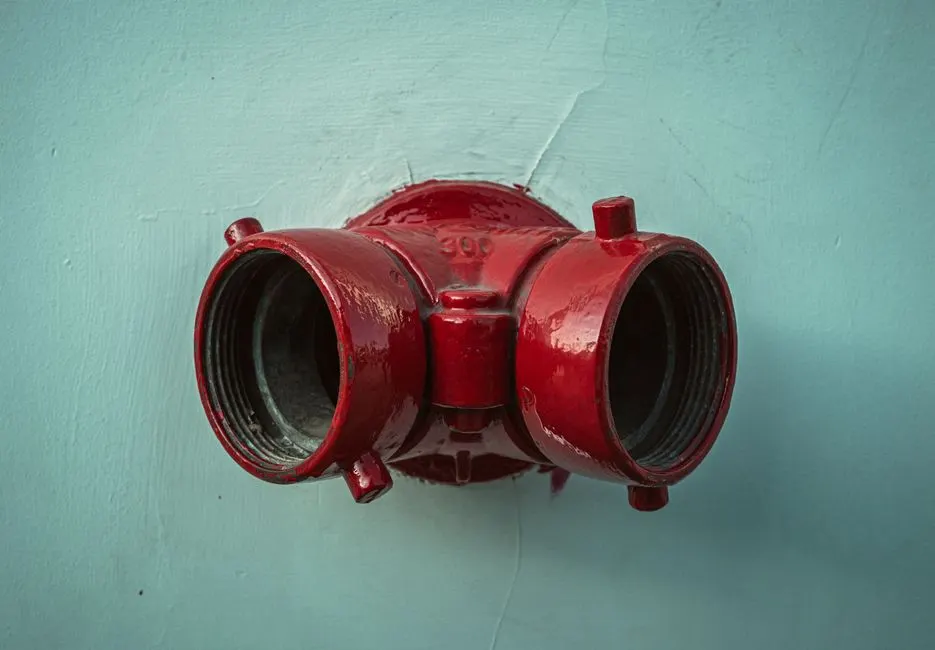
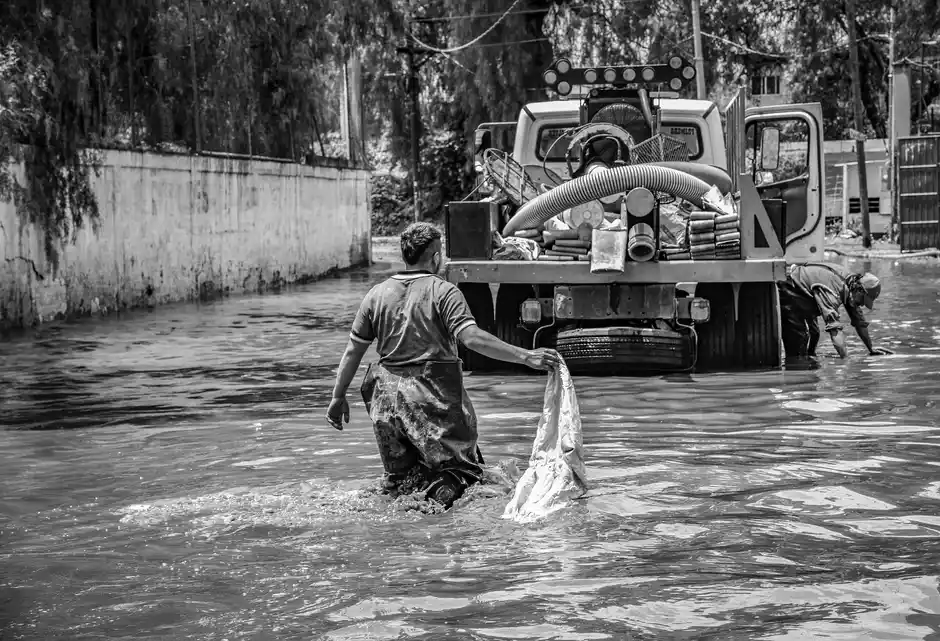
Your local Plainfield. Water Removal team

Water Removal in Plainfield. Done Right the First Time

When water is rising in your basement or storm water is backing into your crawl space, Water Removal in Plainfield. from IL Water Remover Pros gets it out fast. We have served Plainfield. and the surrounding Kane and Will County area since 2014, pulling standing water, drying structural cavities, and stopping the source before mold can take hold. One call gets a truck rolling your way.

↗
Fast online booking

Request service today

Tell us what is happening. Our local team will confirm your visit shortly.

No spam. No obligation. Just practical help.
Thanks — we'll call shortly to confirm your visit.
12Years serving Plainfield.
24/7Emergency response
1,200+Jobs completed

Water Removal in Plainfield. You Can Count On

Water Removal in Plainfield. is the category of emergency service that extracts standing water, dries structural cavities, and stops the source before mold and rot set in. IL Water Remover Pros has handled that job across Plainfield. since 2014, from the older ranch homes near the downtown historic district to the newer two-story builds out along Route 59. We know which subdivisions sit on clay-heavy soil that pushes water through foundation walls, and we know how fast a failed sump pump can turn a finished basement into a loss. Our crews run truck-mounted water extractors, portable extraction units, and Dri-Eaz air movers and dehumidifiers, and every technician is trained to IICRC WRT and ASD standards. We do not guess at moisture levels. We meter them, map them with thermal imaging cameras, and dry until the readings match a dry standard. That is how you avoid a callback.

Explore Plainfield. services →

Plainfield. sits where Will and Kane County growth meets older housing stock, and that mix creates a steady call volume. Half our work here is sump pump failure after a heavy spring rain. The other half splits between burst and frozen pipes in January, sewage backups in older homes with clay tile laterals, and storm water intrusion during summer downpours. We keep a truck staged near Route 59 and 127th Street so we can reach most Plainfield. addresses in 30 to 45 minutes, day or night.

IL Water Remover Pros
Services available in Plainfield.

Water Removal Services Available in Plainfield.

Plainfield. sees water damage from every direction: sump pumps that quit during a storm, supply lines that let go in a cold snap, and storm water that finds the low side of a foundation. We run all ten of our core water removal services here, and we stage equipment locally so we are not waiting on a warehouse 40 miles away. If you are searching for emergency water extraction near Plainfield. that actually shows up when promised, this is the list to pick from.

Basement Water RemovalBasement Water RemovalFinished and unfinished basements across Plainfield. take on water from failed sump pumps, hydrostatic pressure seepage, and burst supply lines. We extract standing water with truck-mounted units, pull baseboards where needed, and dry the slab and framing with air movers and dehumidifiers. Most single-basement jobs are dry to standard in two to four days.See details →Experienced Water Removal professionals at workFlood Water RemovalWhen a storm overwhelms Plainfield. drainage or a nearby creek tops its banks, flood water carries silt and contaminants into ground-level spaces. We pump it out, bag and remove debris, apply antimicrobial spray to affected surfaces, and dry the structure. We document everything for your insurance claim so the adjuster has what they need.See details →Storm Water Removal in IllinoisStorm Water RemovalSummer storms in Plainfield. can drop two inches in an hour, and that water finds every gap. We remove storm water from basements, garages, and crawl spaces, check your sump pit and backwater valve, and dry the affected area. If your grading or downspouts are sending water toward the foundation, we will tell you what to fix.See details →Sewage Water Removal by IL Water Remover ProsSewage Water RemovalSewage backups are a category 3 loss and need more than a shop vac. We suit up, extract the waste water, remove contaminated porous materials, and treat the area with antimicrobial spray per Illinois Department of Public Health remediation guidelines. Older Plainfield. homes with clay tile laterals are the most common callers here.See details →Sump Pump Failure Water Removal in IllinoisSump Pump Failure Water RemovalA dead sump pump is the number one reason Plainfield. basements flood. We extract the water, test the float switch and check valve, and dry the space. If your pump is undersized for the water your pit takes on, we will say so and recommend a Wayne or Zoeller replacement sized to your pit and discharge line.See details →Water Extraction in IllinoisBurst Pipe Water RemovalCopper and PEX supply lines fail without warning, and a burst pipe can dump hundreds of gallons into a Plainfield. home before you notice. We shut the water main, extract standing water, dry the walls and ceiling cavities, and coordinate the plumbing repair with a licensed Illinois plumber. We do not leave until moisture readings are back to dry standard.See details →Frozen Pipe Water RemovalFrozen Pipe Water RemovalJanuary cold snaps freeze pipes in exterior walls and unheated crawl spaces across Plainfield. When they thaw, they split. We extract the water, dry the structure, and use a pipe thawing machine or heat tape recommendations to keep it from happening again. We handle the water; a licensed plumber handles the pipe repair.See details →Standing Water Removal you can count onStanding Water RemovalStanding water in a Plainfield. basement or garage is a mold clock. We pump it out with submersible sump pumps and wet/dry vacuums, then dry the slab and any framing that got wet. If the water has been sitting more than 48 hours, we treat for microbial growth as part of the job.See details →Trusted Water ExtractionCrawl Space Water RemovalCrawl spaces in older Plainfield. homes hold moisture long after the visible water is gone. We pump out standing water, run a bore scope inspection camera to check the joists and subfloor, and dry the space with air movers and dehumidifiers. We also flag missing vapor barriers and sump pit liner issues while we are under there.See details →Dependable Water Removal across IllinoisRoof Leak Water RemovalA roof leak during a Plainfield. storm can soak insulation, drywall, and ceiling framing before you see the stain. We extract any standing water, remove saturated materials, and dry the structure. We document the leak path with thermal imaging so your roofer knows exactly where to fix it.See details →
Who we serve in Plainfield.

Two very different jobs. One local crew.

For homes

Residential Water Removal in Plainfield.

Most of our Plainfield. work is residential. The village has a mix of older homes near the downtown historic district and newer two-story builds along Route 59 and 127th Street. The older homes have clay tile laterals and block foundations. The newer ones have finished basements, sump pits, and PEX supply lines. Both kinds flood, just for different reasons. We handle both the same way: find the source, extract the water, dry to a documented standard, and document everything for your insurance claim.

Emergency basement water extraction

When your Plainfield. basement floods, we extract the standing water with a truck-mounted unit or a portable extraction unit, depending on access. We pull wet carpet and pad if needed, cut drywall at the flood line, and set air movers and dehumidifiers to dry the slab and framing.

Sump pump failure response

A failed sump pump is the most common cause of basement flooding in Plainfield. We extract the water, dry the space, and test the float switch and check valve. If the pump is undersized or at the end of its life, we recommend a replacement sized to your pit and discharge line.

Sewage backup cleanup

Sewage backups in older Plainfield. homes are a category 3 loss. We extract the waste water, remove contaminated porous materials, and apply antimicrobial spray per Illinois Department of Public Health remediation guidelines. We also recommend a backwater valve to stop the next backup.

Crawl space drying and moisture control

Crawl spaces in older Plainfield. homes hold moisture long after the visible water is gone. We pump out standing water, run a bore scope inspection camera to check the joists, and dry the space with air movers and dehumidifiers. We also flag missing vapor barriers and sump pit liner issues.

  • We give you a written estimate before we start, and we do not add charges without telling you first.
  • We document moisture readings and photos so your insurance adjuster has what they need to process the claim.
  • We dry to a documented standard, not to the touch, so you do not end up with mold behind the drywall.

Get a home estimate →
For businesses

Commercial Water Removal in Plainfield.

Commercial water damage in Plainfield. is a different job than a residential pump-out. A flooded retail space on Route 59 or a backed-up floor drain in a downtown restaurant has to be handled fast, documented for insurance, and scheduled around your business hours. We work with property managers, business owners, and facility managers across the village to get the water out and the space dry without shutting you down longer than necessary.

  • Retail storefronts
  • Restaurants and food service
  • Professional offices
  • Property management
  • Light industrial and warehouse
After-hours and weekend scheduling

We schedule commercial water removal in Plainfield. around your business hours. If you need us after close or before open, we will be there. Most retail and restaurant jobs are extracted and dried without a full-day shutdown.

Documentation for insurance claims

Commercial claims need thorough documentation. We meter moisture, photograph the affected area, and provide a scope of work that your adjuster can process. That keeps your claim moving and gets you back to business faster.

Large-loss extraction capacity

A flooded warehouse or retail floor needs more than a portable unit. We bring truck-mounted water extractors and multiple air movers and dehumidifiers to handle large square footage. We stage equipment locally so we are not waiting on a warehouse delivery.

Coordination with your plumber and contractor

Water removal is one part of the job. Fixing the burst pipe or failed sump pump is another. We coordinate with your licensed Illinois plumber and your rebuild contractor so the whole project moves in sequence instead of stalling between trades.

Discuss a commercial contract →
Service by service in Plainfield.

Every service we run in Plainfield..

Each service below is a full breakdown of how the work is scoped, priced and carried out in this city — not a generic description.

Basement Water Removal 01
Basement Water Removal in Plainfield.

Basement Water Removal in Plainfield.

When basement water removal in Plainfield becomes urgent, our team responds fast to protect your home. Plainfield's mix of older downtown bungalows and newer Naperville Road subdivisions means basements face everything from clay soil seepage to failed sump systems. We extract standing water, dry structural materials, and restore humidity levels so your lower level stays usable. From Settlers Ridge to Plainfield North, we know how local soils and storm patterns push water into below-grade spaces.

Why Plainfield Basements Flood

Plainfield sits on heavy clay that sheds stormwater instead of absorbing it. During spring thaws and summer downpours, that runoff finds cracks, window wells, and floor drains. Homes near the DuPage River corridor see added hydrostatic pressure. Our basement water removal in Plainfield accounts for these local drainage quirks before we finish the job.

Extraction and Drying Process

We deploy truck-mounted extractors and weighted extraction tools to pull water from carpet, concrete, and subfloor cavities. Then we position commercial air movers and dehumidifiers calibrated for Plainfield's humid summers. Moisture readings are logged until your basement reaches pre-loss dry standards, typically within three to five days.

Restoring Finished Basements

Many Plainfield homes have finished basements with drywall, insulation, and drop ceilings. We perform controlled demolition of unsalvageable materials, then dry the framing behind them. If you need emergency basement water removal in Plainfield, we document everything for your insurance claim and rebuild when drying is complete.

  • Truck-mounted extraction for standing water up to several inches deep
  • Thermal imaging to find hidden moisture behind finished basement walls
  • Commercial dehumidifiers sized for Plainfield's summer humidity levels
  • Insurance documentation including moisture logs and photo evidence
Book Basement Water Removal →
Flood Water Removal 02
Flood Water Removal in Plainfield.

Flood Water Removal in Plainfield.

Flood water removal in Plainfield requires speed and local knowledge, because floodwater carries contaminants and can rise fast along the DuPage River and its tributaries. Whether your home is near downtown Plainfield or in a newer development off Route 59, we arrive with extraction equipment and containment supplies. We remove floodwater, sanitize affected surfaces, and dry the structure to prevent mold and long-term damage.

River Flooding and Runoff

The DuPage River and nearby creeks can overflow after heavy spring rains, sending muddy floodwater into low-lying Plainfield neighborhoods. Streets like Lockport Street and areas near the riverwalk are especially vulnerable. Our flood water removal in Plainfield prioritizes these zones and uses containment to limit cross-contamination.

Contaminated Water Handling

Floodwater is classified as Category 3, meaning it may contain sewage, chemicals, and pathogens. We wear protective gear, remove porous materials that cannot be saved, and apply antimicrobial treatments. If you search for emergency flood water removal in Plainfield, our crew follows industry sanitation standards from start to finish.

Drying and Damage Control

After extraction, we set up air movers and dehumidifiers to dry floors, walls, and crawl spaces. We monitor moisture daily and adjust equipment as needed. For Plainfield homeowners, this step prevents warped hardwood, swollen trim, and the musty odors that follow incomplete flood drying.

  • Rapid floodwater extraction from basements, garages, and living areas
  • Antimicrobial application to stop mold after contaminated water exposure
  • Sump and utility room pumping to clear standing floodwater quickly
  • Full drying reports with daily moisture readings for insurance claims
Book Flood Water Removal →
Storm Water Removal 03
Storm Water Removal in Plainfield.

Storm Water Removal in Plainfield.

Storm water removal in Plainfield is essential when severe thunderstorms dump inches of rain in minutes. Plainfield's position in Will County means fast-moving storms can overwhelm gutters, window wells, and yard drainage. We respond to storm water intrusion in homes and businesses, extracting water before it damages floors, walls, and foundations. From the historic downtown to new builds near Grande Park, we know where storm water pools and how to remove it fast.

Storms and Local Drainage

Plainfield's storm sewer system can back up during intense rainfall, especially in older sections near the village center. When that happens, water seeks the lowest point-often your basement or garage. Our storm water removal in Plainfield targets these entry points and clears the water before it spreads.

Emergency Response Timing

Storm water damage worsens by the hour. We prioritize emergency storm water removal in Plainfield during active weather events, arriving with pumps, wet vacuums, and drying equipment. Early intervention reduces the chance of mold growth and saves more of your flooring, drywall, and personal belongings.

Preventing Future Intrusion

After removal, we inspect window wells, grading, and sump discharge lines. Many Plainfield homes need simple fixes like extending downspouts or regrading soil away from the foundation. We share findings so you can reduce the risk of the next storm sending water into your home.

  • Emergency storm water pumping from flooded basements and garages
  • Window well draining and debris clearing after heavy rainfall
  • Wet vacuum extraction for carpeted areas affected by storm runoff
  • Post-storm moisture checks to confirm walls and floors are dry
Book Storm Water Removal →
Sewage Water Removal 04
Sewage Water Removal in Plainfield.

Sewage Water Removal in Plainfield.

Sewage water removal in Plainfield is a hazardous job that demands specialized equipment and strict safety protocols. When a sewer line backs up into your home, the water is contaminated and must be handled carefully. We remove sewage, disinfect affected areas, and dispose of unsalvageable materials according to Illinois regulations. Whether you are in a downtown Plainfield bungalow or a newer subdivision, we restore safe conditions quickly.

Sewer Backup Causes

Plainfield's older clay sewer laterals can crack or root-infiltrate, while newer neighborhoods sometimes see backups during heavy rain when municipal lines surcharge. Both scenarios push raw sewage into basements and floor drains. Our sewage water removal in Plainfield addresses the source and the mess.

Safe Removal and Disposal

We treat sewage water as Category 3 contamination. Crews wear PPE, use containment barriers, and extract water with dedicated equipment. Porous materials like carpet, pad, and drywall are bagged and disposed of properly. If you need emergency sewage water removal in Plainfield, we follow all local and state guidelines.

Disinfection and Odor Control

After extraction, we apply hospital-grade disinfectants to floors, walls, and framing. We also use hydroxyl generators or air scrubbers to neutralize odors. Plainfield homeowners appreciate that we do not just remove the water-we eliminate the health hazards and smells that linger after a sewage backup.

  • Containment and PPE to protect occupants during sewage extraction
  • Removal and proper disposal of contaminated carpet, pad, and drywall
  • Hospital-grade disinfection of floors, walls, and affected framing
  • Odor neutralization using air scrubbers and hydroxyl generators
Book Sewage Water Removal →
Sump Pump Failure Water Removal 05
Sump Pump Failure Water Removal in Plainfield.

Sump Pump Failure Water Removal in Plainfield.

Sump pump failure water removal in Plainfield is a call we get often during spring storms and summer downpours. When a sump pump quits, water can rise quickly in your basement, threatening stored items, HVAC equipment, and finished spaces. We extract the water, dry the area, and help you understand what went wrong. From Plainfield's older homes to new construction, we handle sump failures fast.

Why Sump Pumps Fail

Power outages, clogged impellers, and worn float switches are common culprits. In Plainfield, heavy clay soil means sump pumps work hard during wet seasons. If your pump runs constantly or makes odd noises, it may be near failure. Our sump pump failure water removal in Plainfield addresses the aftermath.

Emergency Extraction Steps

We arrive with portable and truck-mounted extractors to remove standing water from your basement floor. If water has reached carpet or drywall, we assess what can be saved. For emergency sump pump failure water removal in Plainfield, we also check for hidden moisture in wall cavities and under flooring.

Drying and Prevention Advice

After extraction, we place air movers and dehumidifiers to dry the space. We also inspect your sump pit, discharge line, and backup system. Many Plainfield homeowners choose to add a battery backup or secondary pump after experiencing a failure, and we can recommend trusted local plumbers.

  • Emergency pumping and extraction after sump pump failure
  • Moisture mapping to find hidden water behind walls and under floors
  • Drying equipment setup to prevent mold after basement flooding
  • Inspection of sump pit, float, and discharge line for future prevention
Book Sump Pump Failure Water Removal →
Burst Pipe Water Removal 06
Burst Pipe Water Removal in Plainfield.

Burst Pipe Water Removal in Plainfield.

Burst pipe water removal in Plainfield is critical when a supply line fails and sends water streaming into your home. Whether the pipe is in a crawl space, wall cavity, or basement, the damage can be extensive. We shut off the water if needed, extract standing water, and dry structural materials. Plainfield's freeze-thaw cycles make burst pipes a real risk for homeowners.

Common Pipe Failure Points

In Plainfield, pipes in exterior walls, unheated crawl spaces, and garages are most vulnerable to freezing and bursting. Older homes may have galvanized steel that corrodes, while newer builds can suffer from high water pressure. Our burst pipe water removal in Plainfield targets these hidden sources.

Water Extraction and Drying

We use extractors to remove water from floors and carpets, then deploy drying equipment to address moisture inside walls and ceilings. Thermal imaging helps us find wet spots without unnecessary demolition. If you need emergency burst pipe water removal in Plainfield, we work quickly to limit damage.

Working With Your Plumber

We do not repair pipes, but we coordinate with your licensed plumber to ensure the source is fixed before we finish drying. This teamwork prevents re-wetting and ensures your Plainfield home is fully dry. We document everything for your insurance claim and can recommend local plumbing pros.

  • Emergency water shut-off coordination with your plumbing professional
  • Extraction of standing water from floors, carpets, and subfloors
  • Thermal imaging to detect moisture inside walls and ceilings
  • Drying and documentation to support your insurance claim
Book Burst Pipe Water Removal →
Frozen Pipe Water Removal 07
Frozen Pipe Water Removal in Plainfield.

Frozen Pipe Water Removal in Plainfield.

Frozen pipe water removal in Plainfield is a winter emergency we handle every year. When temperatures drop, pipes in attics, crawl spaces, and exterior walls can freeze and then burst, releasing water into your home. We extract the water, dry the affected areas, and help you prevent future freeze-ups. Plainfield's cold snaps make this service essential for homeowners.

How Freezing Leads to Bursts

Water expands as it freezes, cracking pipes and pushing joints apart. In Plainfield, homes with pipes in unheated garages or along exterior walls are at highest risk. By the time you see water, the damage may already be significant. Our frozen pipe water removal in Plainfield responds fast.

Thawing and Extraction

We do not thaw pipes ourselves, but we work with your plumber to safely restore flow. Once the source is controlled, we extract standing water from floors, carpets, and basements. For emergency frozen pipe water removal in Plainfield, we also check for hidden moisture in walls and ceilings.

Preventing Future Freeze Damage

After drying, we share tips like adding pipe insulation, sealing crawl space vents, and keeping cabinet doors open during cold spells. Many Plainfield homeowners also install smart water shut-off devices. These steps reduce the chance of another frozen pipe emergency next winter.

  • Extraction of water released by frozen and burst pipes
  • Drying of walls, floors, and ceilings affected by pipe leaks
  • Moisture checks in hard-to-reach areas like crawl spaces and attics
  • Prevention advice to reduce future frozen pipe risk in Plainfield
Book Frozen Pipe Water Removal →
Standing Water Removal 08
Standing Water Removal in Plainfield.

Standing Water Removal in Plainfield.

Standing water removal in Plainfield is about more than just drying a floor-it is about stopping mold, odors, and structural damage before they start. Whether water is pooled in your basement, garage, or yard, we remove it quickly and dry the area. Plainfield's clay soil and flat lots can cause water to linger after storms, making prompt removal essential.

Where Water Pools

In Plainfield, standing water often collects in basements, crawl spaces, window wells, and low spots in yards. After heavy rain, poor grading or clogged drains can leave water trapped against your foundation. Our standing water removal in Plainfield targets these problem areas first.

Health and Structural Risks

Standing water breeds mold, bacteria, and insects within days. It can also weaken drywall, warp wood, and damage concrete. If you search for emergency standing water removal in Plainfield, we prioritize extraction and drying to protect both your health and your home's structure.

Extraction and Drying Methods

We use submersible pumps, wet vacuums, and truck-mounted extractors to remove standing water. Then we set up air movers and dehumidifiers to dry the space. For Plainfield homeowners, we also check humidity levels to ensure the area is truly dry, not just dry to the touch.

  • Pumping and extraction of standing water from basements and garages
  • Drying and dehumidification to prevent mold after water removal
  • Moisture readings to confirm floors and walls are fully dry
  • Advice on drainage improvements to stop future standing water
Book Standing Water Removal →
Crawl Space Water Removal 09
Crawl Space Water Removal in Plainfield.

Crawl Space Water Removal in Plainfield.

Crawl space water removal in Plainfield is a specialized service because these tight, dark spaces are hard to access and easy to neglect. When water enters a crawl space, it can rot floor joists, fuel mold growth, and attract pests. We remove the water, dry the space, and address the source. Plainfield's older homes and some newer builds have crawl spaces that need expert care.

Why Crawl Spaces Get Wet

In Plainfield, crawl space water often comes from poor drainage, high water tables, or plumbing leaks. Vapor barriers can fail, and foundation vents may let in wind-driven rain. Our crawl space water removal in Plainfield identifies the entry point before we begin extraction.

Extraction in Tight Spaces

Crawl spaces require compact equipment and careful maneuvering. We use portable extractors and specialty drying mats to remove water and dry joists, insulation, and subfloor. For emergency crawl space water removal in Plainfield, we also check for hidden moisture that can lead to rot.

Mold and Rot Prevention

After drying, we apply antimicrobial treatments if needed and recommend vapor barrier repairs or drainage fixes. Plainfield homeowners who address crawl space moisture early avoid costly structural repairs later. We document conditions and provide a clear drying report for your records.

  • Compact extraction equipment designed for tight crawl space access
  • Drying of joists, subfloor, and insulation to prevent rot
  • Antimicrobial application to stop mold growth in damp crawl spaces
  • Vapor barrier and drainage recommendations to prevent future water
Book Crawl Space Water Removal →
Roof Leak Water Removal 10
Roof Leak Water Removal in Plainfield.

Roof Leak Water Removal in Plainfield.

Roof leak water removal in Plainfield is essential when a damaged shingle or flashing failure lets water into your attic, ceilings, or walls. Plainfield's hail storms and high winds can compromise roofing, leading to hidden leaks that spread quickly. We extract water, dry affected materials, and help you prevent mold. From downtown to the newest subdivisions, we respond to roof leak emergencies.

How Roof Leaks Start

Missing shingles, cracked flashing, and clogged gutters are common causes of roof leaks in Plainfield. Ice dams in winter can also force water under shingles. By the time you see a ceiling stain, water may have traveled through insulation and framing. Our roof leak water removal in Plainfield finds the full extent.

Attic and Ceiling Drying

We extract water from attic floors and ceiling cavities, then use air movers and dehumidifiers to dry insulation, drywall, and framing. If you need emergency roof leak water removal in Plainfield, we also check for wet spots behind walls using thermal imaging.

Preventing Mold After Leaks

Mold can begin growing within 24 to 48 hours of a roof leak. We apply antimicrobial treatments to affected areas and monitor moisture until dry. Plainfield homeowners receive a detailed report and recommendations for roof repairs to stop future leaks.

  • Extraction of water from attics, ceilings, and wall cavities
  • Drying of insulation, drywall, and framing after roof leaks
  • Thermal imaging to find hidden moisture behind walls and ceilings
  • Antimicrobial treatment and prevention advice for Plainfield homes
Book Roof Leak Water Removal →
More than a service list

How We Execute Water Removal in Plainfield.

Every Plainfield. job starts the same way: we find the source, stop it if we can, and meter the moisture before we touch a hose. If your water main is still open, we shut it with a water main shutoff tool. If the sump pi

Clay-heavy soil and hydrostatic pressure seepage

Plainfield. sits on soil that holds water instead of draining it. After a heavy rain, that water pushes against foundation walls and finds cracks, cove joints, and floor seams. Basements that were dry all winter can take on an inch of water in a single storm.

How we help: We extract the water, dry the slab and walls, and check the exterior grade and downspout discharge. If hydrostatic pressure is the driver, we recommend a waterproofing membrane and a properly sized sump system so the next storm does not repeat the loss.

Aging clay tile sewer laterals in older neighborhoods

Homes near the downtown historic district often still have original clay tile sewer laterals. Roots and shifting soil crack them, and the next heavy rain sends sewage back into the basement through the floor drain.

How we help: We treat every sewage backup as a category 3 loss. We extract, remove contaminated porous materials, and apply antimicrobial spray per Illinois Department of Public Health remediation guidelines. We also recommend a backwater valve on the lateral to stop the next backup at the source.

Sump pump failure during spring and summer storms

A sump pump that quits during a storm is the single most common cause of basement flooding we see in Plainfield. Float switches stick, check valves fail, and undersized pumps burn out when the pit fills faster than they can discharge.

How we help: We extract the water and dry the space, then test the float switch and check valve. If the pump is undersized or at the end of its life, we recommend a Wayne, Zoeller, or Liberty Pumps replacement sized to your pit and discharge line so it can keep up with the next storm.

Reviews from Plainfield. customers

Reviews from Plainfield. Customers

4.9★★★★★verified reviews
★★★★★
“Our sump pump died during a storm and we had two inches of water in the finished basement by morning. IL Water Remover Pros had a truck here in about 40 minutes. They pulled the water, cut out the wet drywall, and set up fans and dehumidifiers. Three days later the basement was dry and the readings matched. Straight answers, no upsell.”
DM

Dan M.Route 59 Corridor

Verified
★★★★★
“We had a sewage backup in our old house near downtown Plainfield. They treated it like the serious problem it is, suited up, removed the contaminated materials, and treated everything. They also told us to get a backwater valve installed, which we did. I would call them again without hesitation.”
KT

Karen T.Downtown Historic District

Verified
★★★★★
“A pipe froze and burst in our crawl space during the January cold snap. They extracted the water, dried the crawl space, and used a camera to check the joists. They coordinated with a plumber to fix the pipe. The whole thing was handled in four days. Fair price and they showed up when they said they would.”
RS

Rob S.Van Dyke Road Area

Verified
Recent work in Plainfield.

Plainfield. Water Removal Case Studies

These are real jobs we have run in Plainfield. over the past few years. They show what a typical call looks like, what we do on site, and what the outcome is when the work is done to standard.

01 Route 59 Corridor

The problem

A finished basement in the Route 59 corridor took on two inches of water when the sump pump float switch stuck during a spring storm. Carpet, pad, and the bottom two feet of drywall were saturated.

What we did

We extracted the standing water with a truck-mounted unit, pulled the wet carpet and pad, and cut the drywall at the flood line. We set Dri-Eaz air movers and Phoenix dehumidifiers, metered the slab and framing daily, and applied antimicrobial spray to the affected wall cavities.

The result

The basement was dry to standard in three days. The homeowner replaced the failed pump with a Zoeller unit sized to the pit, and the rebuild was completed the following week.

02 Downtown Historic District

The problem

A 1950s home near the downtown historic district had a sewage backup through the floor drain after a heavy rain. The clay tile lateral had cracked, and waste water spread across the unfinished basement floor.

What we did

We treated it as a category 3 loss, suited up, and extracted the waste water. We removed the contaminated porous materials, applied antimicrobial spray per Illinois Department of Public Health remediation guidelines, and dried the slab and lower walls with air movers and dehumidifiers.

The result

The basement was dry and treated in four days. We recommended a backwater valve on the lateral, and the homeowner had it installed within the month.

03 Van Dyke Road Area

The problem

A burst copper supply line in a Van Dyke Road area home sent water through the first-floor ceiling and into the basement below. The leak ran for several hours before the family noticed the ceiling stain.

What we did

We shut the water main, extracted standing water from the basement, and opened the ceiling to dry the joists and subfloor. We used a thermal imaging camera to map the wet path and set air movers and dehumidifiers on both floors. A licensed Illinois plumber repaired the split copper line.

The result

Both floors were dry to standard in four days. The ceiling was repaired and painted the following week, and the family avoided a mold problem.

Early warning signs

Signs You Need Water Removal in Plainfield.

01

Sump pump runs constantly or will not shut off

02

Musty smell in the basement or crawl space

03

Water stain on the ceiling or wall

04

Floor drain backing up after rain

05

Standing water in the basement or garage

Have us take a look →
Plainfield. problem patterns

Common Water Removal Problems in Plainfield.

Plainfield. has a specific set of water problems that come up again and again. The clay-heavy soil, the mix of older and newer housing stock, and the freeze-thaw cycles in winter all drive the same calls. Knowing what causes them helps you prevent the next one.

01

Sump pump failure during spring and summer storms

Why it happens: Plainfield. sits on clay-heavy soil that does not drain well. After a heavy rain, the water table rises fast and your sump pit fills quicker than an undersized or aging pump can discharge. Float switches stick, check valves fail, and pumps burn out.

Our approach: We extract the water and dry the basement, then test the float switch and check valve. If the pump is undersized or at the end of its life, we recommend a Wayne, Zoeller, or Liberty Pumps replacement sized to your pit and discharge line so it can keep up with the next storm.

02

Sewage backup in older homes with clay tile laterals

Why it happens: Homes near the downtown historic district often still have original clay tile sewer laterals. Roots find the joints, soil shifts crack the tile, and the next heavy rain sends sewage back through the floor drain. It is a category 3 loss, not a simple pump-out.

Our approach: We treat it as a category 3 loss, extract the waste water, remove contaminated porous materials, and apply antimicrobial spray per Illinois Department of Public Health remediation guidelines. We also recommend a backwater valve on the lateral to stop the next backup at the source.

03

Frozen and burst pipes during January cold snaps

Why it happens: Plainfield. winters regularly drop into single digits, and pipes in exterior walls, unheated crawl spaces, and garages are vulnerable. When the water in the pipe freezes, it expands and splits the copper or PEX. The leak starts when it thaws.

Our approach: We extract the water, dry the structure, and use a thermal imaging camera to map the wet path. We coordinate the pipe repair with a licensed Illinois plumber and recommend heat tape or pipe insulation on the vulnerable runs so it does not happen again.

04

Hydrostatic pressure seepage through foundation walls

Why it happens: The clay soil around Plainfield. holds water instead of draining it. After a heavy rain, that water pushes against foundation walls and finds cracks, cove joints, and floor seams. Basements that were dry all winter can take on water in a single storm.

Our approach: We extract the water, dry the slab and walls, and check the exterior grade and downspout discharge. If hydrostatic pressure is the driver, we recommend a waterproofing membrane and a properly sized sump system so the next storm does not repeat the loss.

Plainfield. through the year

How Seasons Affect Water Removal in Plainfield.

Plainfield. gets all four seasons, and each one brings a different water problem. Spring is sump pump season. Summer is storm water season. Fall is when you should be prepping for winter. Winter is frozen pipe season. Knowing what to expect each season helps you stay ahead of the next call.

Spring

Spring is the busiest season for water removal in Plainfield. The ground is saturated from winter, the water table is high, and every heavy rain sends water into sump pits. Sump pump failures and basement flooding are the most common calls we get from March through May.

Tip: Test your sump pump before the first big spring rain. Pour a bucket of water into the pit and make sure the float switch triggers the pump and the check valve holds. If the pump is more than seven years old, replace it before it fails.

Summer

Summer storms in Plainfield. can drop two inches of rain in an hour. That water overwhelms drainage, backs up through floor drains, and finds its way into basements and crawl spaces. Storm water intrusion and sewage backups are the calls we get most from June through August.

Tip: Check your downspouts and grading before storm season. Downspouts should discharge at least six feet from the foundation, and the ground should slope away from the house. If your floor drain backs up every storm, get a backwater valve installed.

Fall

Fall is the prep season. The water problems are fewer, but the ones you do not fix now will show up in January. Leaves clog gutters and downspouts, which sends water toward the foundation. Exposed pipes in crawl spaces and garages are about to be tested by the first freeze.

Tip: Clean your gutters and downspouts before the first freeze. Insulate exposed pipes in crawl spaces and garages with pipe insulation or heat tape. If you had a sump pump fail last spring, replace it now, not in the middle of the next storm.

Winter

Winter is frozen pipe season in Plainfield. Single-digit temperatures freeze pipes in exterior walls and unheated spaces. When they thaw, they split and leak. Burst pipe water removal and frozen pipe water removal are the calls we get most from December through February.

Tip: Keep your thermostat at 55 degrees or higher, even when you are away. Open cabinet doors under sinks on exterior walls so warm air reaches the pipes. If a pipe freezes, call us before you try to thaw it yourself. A pipe thawing machine is safer than a torch.

We know the route

Navigating Plainfield. Landmarks

Plainfield. is a village that grew fast along the Route 59 and 127th Street corridors, and knowing the landmarks helps us route trucks efficiently. We use the downtown historic district, the Route 59 commercial strip, and the village hall area as orientation points when we dispatch. If you are giving us directions, name the nearest landmark and we will find you.

Plainfield Downtown Historic District

The historic district sits at the center of the village and is a useful orientation point for calls on the older streets nearby. If you are near the downtown core, we know which blocks have the older foundations and clay tile laterals.

Plainfield Village Hall

Village Hall on Route 59 is a central reference point for dispatch. Calls north or south of it get routed along Route 59, which keeps our trucks off the slower residential streets when we are trying to reach you fast.

Route 59 Commercial Corridor

The Route 59 strip is the main north-south artery through Plainfield. and the fastest way for our trucks to move between the north and south ends of the village. Most of our staging and routing decisions start here.

Primary Plainfield. response zone
Plainfield. service coverage

Is your ZIP on the route?

These are our most frequently served ZIP codes. Nearby areas may also qualify—call if you do not see yours.

605446058660585
Popular neighborhoods

Downtown Historic District · Route 59 Corridor · Van Dyke Road Area · 127th Street Corridor

Check my address →
Plainfield. Water Removal FAQ

FAQs About Water Removal in Plainfield.

Our team can help if your question is not answered here.

Call (833) 640-1438 →

Most Plainfield. water removal jobs run $500 to $1,500 for a straightforward basement pump-out in 2026 pricing. Sewage backups and jobs that require removing drywall and carpet run $2,000 to $5,000 or more. We give you a written estimate before we start, and we document everything for your insurance claim.

We reach most Plainfield. addresses in 30 to 45 minutes from our Route 59 staging point. Emergency calls get a truck rolling within the hour, 24/7. If you are in the downtown historic district or the Route 59 corridor, we are usually there in 25 to 35 minutes.

Yes. Sewage backups are a category 3 loss, and we treat them that way. We extract the waste water, remove contaminated porous materials, and apply antimicrobial spray per Illinois Department of Public Health remediation guidelines. Older Plainfield. homes with clay tile laterals are the most common callers for this service.

Most Plainfield. jobs are dry to standard in two to four days. A single-room pump-out can be dry in two days. A full finished basement with saturated drywall and carpet usually takes three to four days. We meter the moisture daily and do not pull equipment until the readings match a dry standard.

Yes. We document moisture readings, photos, and the scope of work so your adjuster has what they need to process the claim. We can bill your insurance directly in most cases, and we will tell you upfront what is covered and what is not before we start the job.

Credentials on file

Trust and Local Compliance

Licenses

Illinois Plumbing License (coordinated repair partners)
Illinois Department of Public Health remediation compliance

Certifications

IICRC WRT (Water Damage Restoration Technician)
IICRC
IICRC ASD (Applied Structural Drying)
IICRC
IICRC AMRT (Applied Microbial Remediation Technician)
IICRC
EPA Lead-Safe Certification
EPA
OSHA 10-Hour Construction
OSHA

Insurance

Acuity Insurance
$2M general liability

Local affiliations

  • Plainfield Area Chamber of CommerceMember
  • Will County Building Trades AssociationMember
IL Water Remover Pros ready to serve Plainfield.
Plainfield. team is ready

Water Removal in Illinois: Call Before It Spreads

Standing water turns into mold in 24 to 48 hours. Call (833) 640-1438 now and a live dispatcher will send an IICRC-certified crew to your Illinois address, usually within 60 minutes. Written estimate before we start.

Book Plainfield. service →24/7: (833) 640-1438
Request Plainfield. service

Send the details. We'll handle the next step.

Tell us what you are seeing and where you are located. Our team will call to confirm the right appointment type and timing.

Plainfield. service hubPlainfield., Illinois(833) 640-1438Open 24 hours · 7 days a week
Request received — we will call you shortly.
Tap to call(833) 640-1438