Why is water coming up through my basement floor in Illinois
Water seeping up through an Illinois basement floor almost always traces back to hydrostatic pressure, a failed sump pump, or a drain tile system that has clogged or collapsed.
Water coming up through your basement floor in Illinois is almost always caused by hydrostatic pressure - groundwater pushing upward against your foundation slab because the soil around your home is saturated and has nowhere else to go. The second most common cause is a sump pump that has failed, lost power, or been overwhelmed during a heavy rain. Both problems are fixable, and both get worse the longer you wait.
This article breaks down exactly why it happens in Illinois, what you can do about it yourself, and when it is time to bring in a crew. We have pumped out hundreds of basements across Kane County and the surrounding suburbs, and the pattern is remarkably consistent.
The short answer: hydrostatic pressure is usually the culprit
Hydrostatic pressure basement water in Illinois is the force created when saturated soil pushes groundwater against your foundation walls and floor slab. Think of your basement as a boat sitting in wet clay - the water wants in, and it will find the weakest point. That point is often the cove joint where the floor meets the wall, or a hairline crack in the slab itself.
Why does it come UP instead of just sitting against the walls? Because water follows the path of least resistance. When the ground is completely saturated after a two- or three-day rain event, the water table rises. If your drain tile system is clogged, collapsed, or was never installed, that water has nowhere to drain. It pushes up through the slab.
This is not a plumbing leak. It is a drainage problem. That distinction matters because the fix is different - and if you call a plumber expecting them to find a broken pipe, you will waste time and money.
Why Illinois soil makes basement floor seepage so common
Illinois has some of the most challenging soil conditions in the Midwest for basement waterproofing. Much of northern Illinois sits on glacial till - a dense mix of clay, silt, and gravel that drains poorly. When it rains, that clay acts like a bowl. Water collects around your foundation and stays there for days.
We see this constantly in communities along the Fox River. In Water Removal in Geneva, Illinois, for example, the river valley soil is especially heavy in clay, and homes built in the 1990s and 2000s often have drain tiles that have already begun to silt up. The same holds true in Batavia, Saint Charles, and South Elgin.
Here is what makes it worse: Illinois gets an average of 36 to 38 inches of rain per year, and a significant chunk of that falls between April and June. Add snowmelt from a typical Illinois winter - 25 to 35 inches - and you have two peak seasons for basement floor water seepage. Spring and early summer are our busiest months, but we get calls in January too when a rapid thaw sends meltwater into already-saturated ground.
Newer construction is not immune. We have pumped out basements in subdivisions less than five years old. The difference is that newer homes usually have a functioning sump pump and drain tile - until they don't.
How do I stop water from seeping up through my basement floor in Illinois?
Stopping water from seeping up through your basement floor in Illinois starts with removing the water that is already there, then addressing the drainage system that failed. You cannot stop hydrostatic pressure by painting the floor or patching cracks from the inside - the water will just find another path.
Here is the sequence that actually works:
- Remove the standing water immediately. Every hour it sits, it wicks higher into drywall, insulation, and stored belongings. Mold can begin colonizing wet organic materials in 24 to 48 hours.
- Identify the source. Is it coming up through the cove joint? Through a floor crack? Around the sump pit? The location tells you whether you are dealing with a drain tile failure, a sump pump problem, or a plumbing leak.
- Test the sump pump. Pour a bucket of water into the pit and watch. If the pump does not kick on within a few seconds, or if it runs but does not move water, that is your problem.
- Check the discharge line. In winter, the outdoor discharge line can freeze solid. The pump runs, but water has nowhere to go - so it backs up into the pit and eventually onto the floor.
- Call a water removal company if the water is more than an inch deep or has been sitting for more than a few hours. Truck-mounted extraction equipment removes water far faster than a wet/dry vac, and we can tell you whether your drain tile needs to be replaced.
For active flooding, our team handles basement water removal Illinois with truck-mounted units that pull hundreds of gallons per hour. We also set up commercial dehumidifiers and air movers to dry the structure, because removing the visible water is only half the job.
Sump pump failure: the number one mechanical cause
Sump pump failure water removal in Illinois is a year-round call for us, but it spikes in spring and during winter thaws. A sump pump has a lifespan of about 7 to 10 years. If yours is older than that, it is living on borrowed time.
The failure modes we see most often:
- Power outage during a storm. The pump cannot run without electricity. If your neighborhood loses power during a heavy rain - which happens regularly in Kane County - your pit fills and overflows.
- Frozen discharge line. Water trapped in the outdoor line freezes, blocking the exit. The pump runs but cannot move water.
- Float switch stuck. Debris or sediment in the pit can jam the float. The pump never turns on.
- Burnt-out motor. Pumps that run continuously during a multi-day rain event can overheat and seize.
If your pump has failed, we can extract the water and help you get the system back online. Our sump pump failure water removal Illinois service includes water extraction, drying, and a clear explanation of what failed so you can decide whether to repair or replace.
A battery backup sump pump costs $300 to $700 installed in 2026 and buys you 6 to 10 hours of protection during a power outage. For most Illinois homeowners, that is the single best investment you can make against basement flooding.
Other causes we find during basement floor leak inspections
Basement floor leak Illinois inspections sometimes turn up causes that have nothing to do with hydrostatic pressure. Here is what else we look for:
Failed or clogged drain tile
Drain tile - the perforated pipe that runs around your foundation footing - has a lifespan of about 30 to 40 years. In older Illinois homes, it may be clay tile that has cracked or shifted. When drain tile fails, water has no collection system. It just sits against the foundation until it finds a way in.
Cracked floor slab
Hairline cracks in a basement floor are normal. But if water is seeping through a crack, that crack is connected to a water source below. Epoxy injection can seal it, but if hydrostatic pressure is the driver, the water will find another crack within a season.
Plumbing leaks under the slab
A broken water line or sewer line under the basement floor can saturate the soil beneath the slab. The water then rises through the concrete. This is less common than hydrostatic pressure, but it happens - especially in homes built before 1980 with original galvanized or cast-iron lines.
Poor exterior grading
If the ground around your foundation slopes toward the house instead of away from it, every rain event sends water directly to your foundation. The fix is cheap - regrade the soil so it drops 6 inches over the first 10 feet - but most homeowners never do it.
Clogged gutters and downspouts
When gutters overflow, water dumps right at the foundation. Downspouts should discharge at least 6 to 10 feet from the wall. If yours end at the foundation, you are pouring water into the exact spot you want to keep dry.
For water that has already entered and needs fast extraction, our standing water removal Illinois team can be on-site the same day in most of Kane County.
Common mistakes homeowners make with basement floor water seepage
Basement floor water seepage causes and fixes Illinois homeowners get wrong usually fall into one of these categories:
- Painting or sealing the floor first. A concrete sealer might hold for a few months, but hydrostatic pressure will push it off. You have to manage the water before you seal anything.
- Assuming it will stop on its own. It will not. Once the drain tile or sump system has failed, the problem repeats every time the ground saturates.
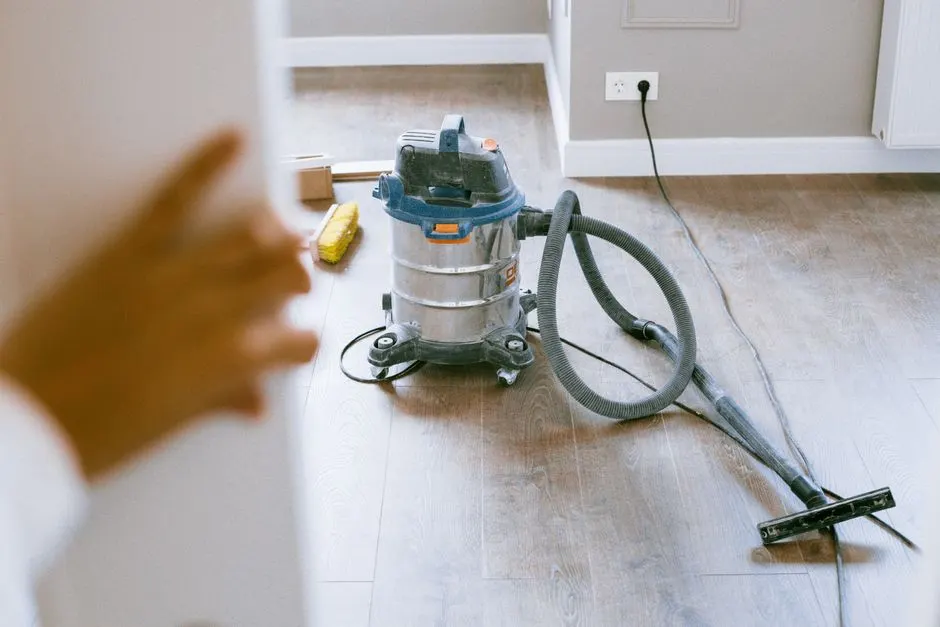
- Running a wet/dry vac for hours. A shop vac removes maybe 5 to 10 gallons before you have to empty it. A truck-mounted extraction unit removes hundreds of gallons per hour. If the water is more than an inch deep, you are wasting your time.
- Ignoring the smell. That musty odor after the water is gone means mold is already growing. You need commercial drying equipment, not a box fan.
- Not documenting the damage. Take photos and video before you clean up. Your insurance adjuster will want them.
When to call a professional
Call a professional when the water is deeper than an inch, when it has been sitting for more than a few hours, when you smell sewage or see discoloration, or when your sump pump has failed and the pit is overflowing. Those are the situations where DIY extraction risks mold, structural damage, and health hazards.
IL Water Remover Pros handles water coming up through basement floors across Kane County and the surrounding Illinois suburbs. We extract the water, dry the space with commercial equipment, and tell you exactly what failed so you can fix the root cause. If you are dealing with Water Removal in Illinois, we can usually be on-site the same day.
We also handle related problems like flood water removal Illinois after severe storms, and we work directly with insurance adjusters when a claim is involved.
Frequently Asked Questions
Why is water coming up through my basement floor in Illinois?
Hydrostatic pressure from saturated soil is the most common cause, followed by sump pump failure. Illinois clay soil drains slowly, so groundwater builds up around your foundation and pushes up through the slab. A failed drain tile system makes it worse.
How do I stop water from seeping up through my basement floor in Illinois?
Remove the standing water first, then fix the drainage. Test your sump pump, check the discharge line for freezing, and verify that your drain tile is flowing. If the tile has failed, it needs to be replaced - sealing the floor alone will not stop hydrostatic pressure.
Does hydrostatic pressure cause basement floor water in Illinois?
Yes. Hydrostatic pressure is the leading cause of basement floor seepage in Illinois. When the ground is saturated after heavy rain or snowmelt, water pushes against your foundation and finds the weakest point - usually the cove joint or a floor crack.
Who do I call for water coming up through my basement floor in Illinois?
Call a water removal company that handles extraction and drying, not just a plumber. Plumbers fix pipes; water removal crews extract standing water, dry the structure, and identify drainage failures. IL Water Remover Pros serves Kane County and nearby suburbs.
How much does basement water removal cost in Illinois in 2026?
Typical 2026 pricing for basement water extraction in Illinois runs $500 to $1,500 for a standard residential job, depending on water volume and square footage. Drying equipment adds $300 to $800. Sewage-contaminated water costs more because of sanitization requirements.
Get help with Water Removal in Illinois
If water is coming up through your basement floor right now, every hour counts. We extract the water, dry the space, and help you understand what failed so it does not happen again.
Call IL Water Remover Pros at (833) 640-1438 for same-day service across Kane County and the surrounding Illinois suburbs.